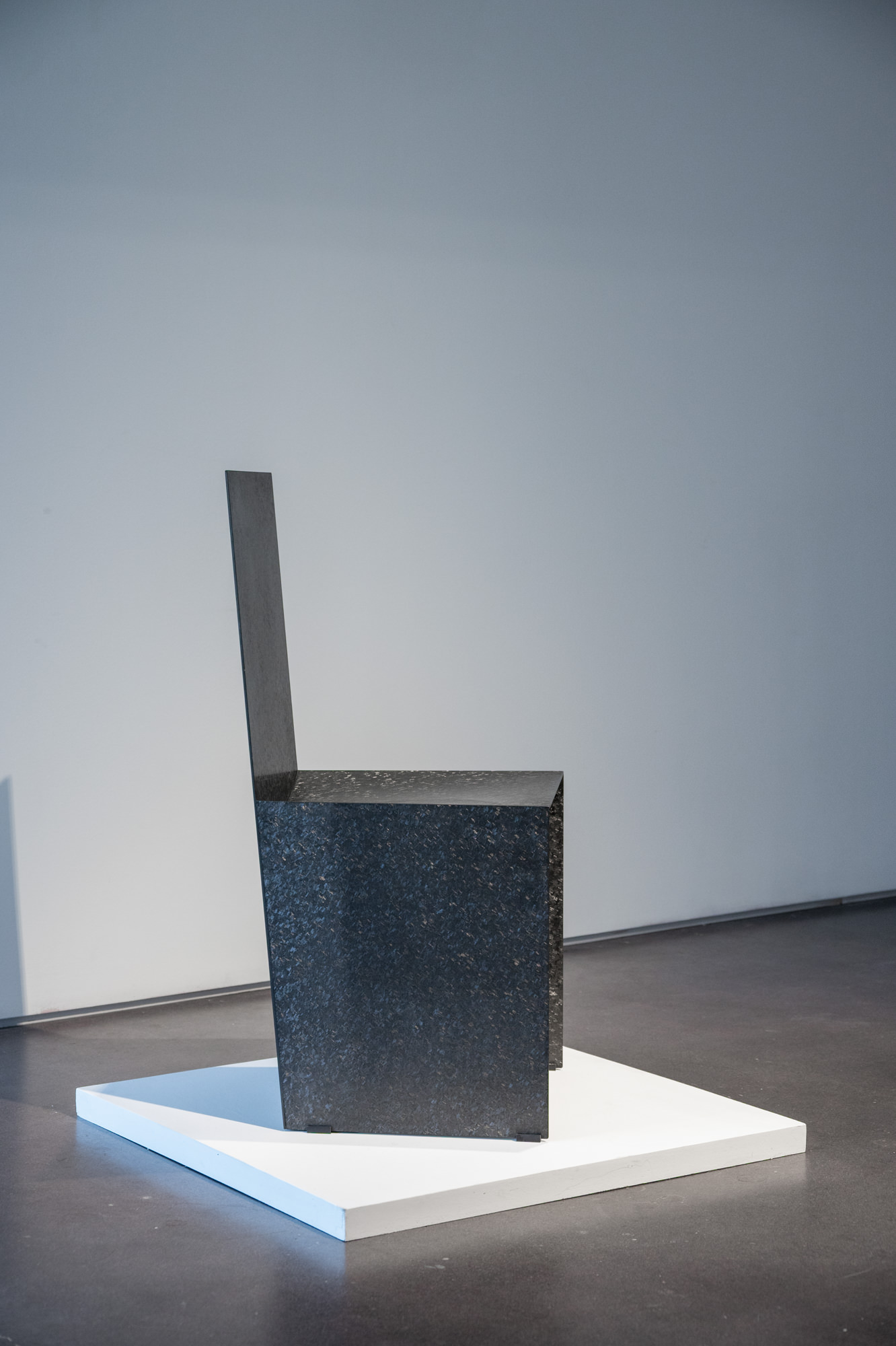
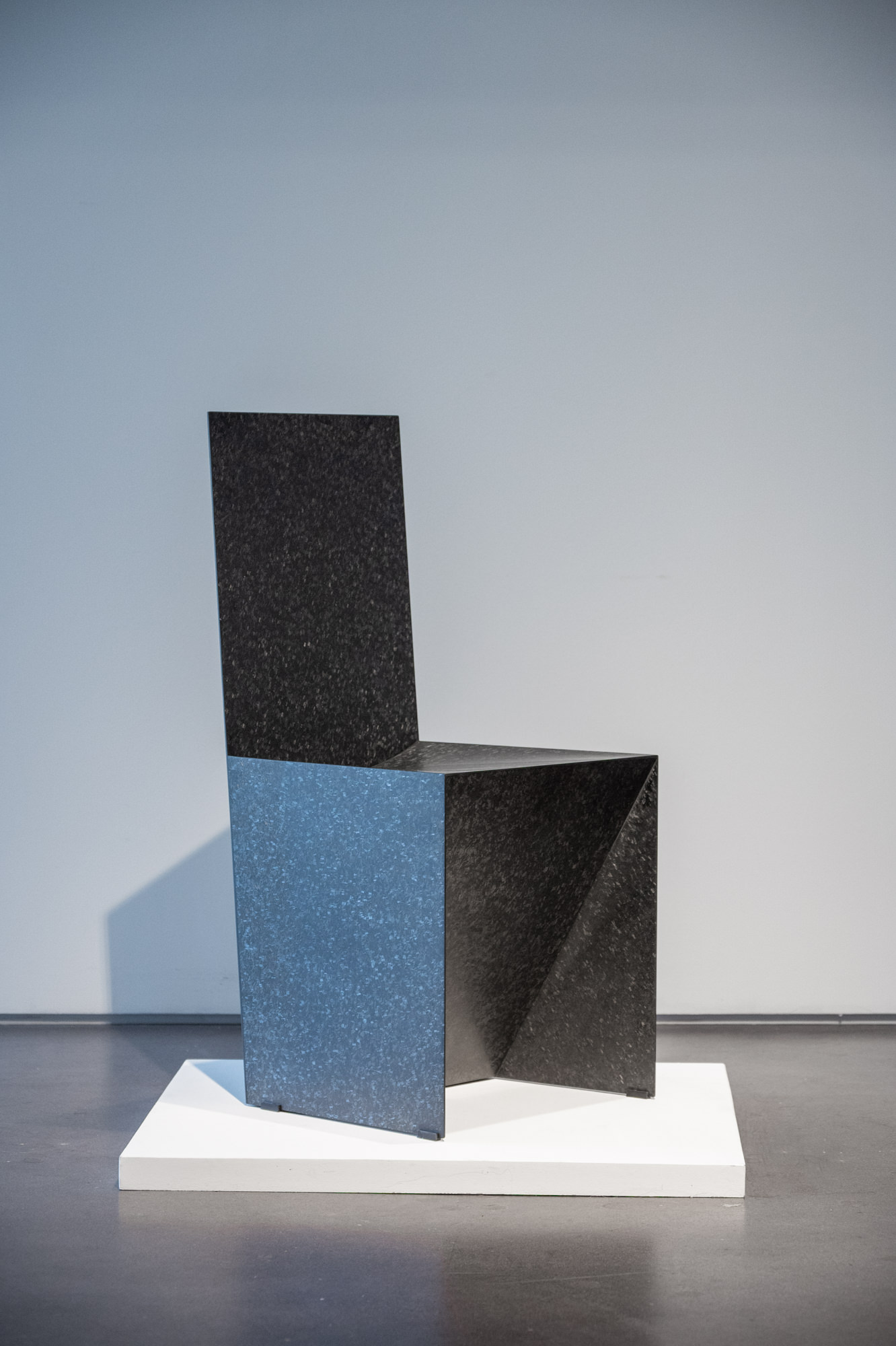
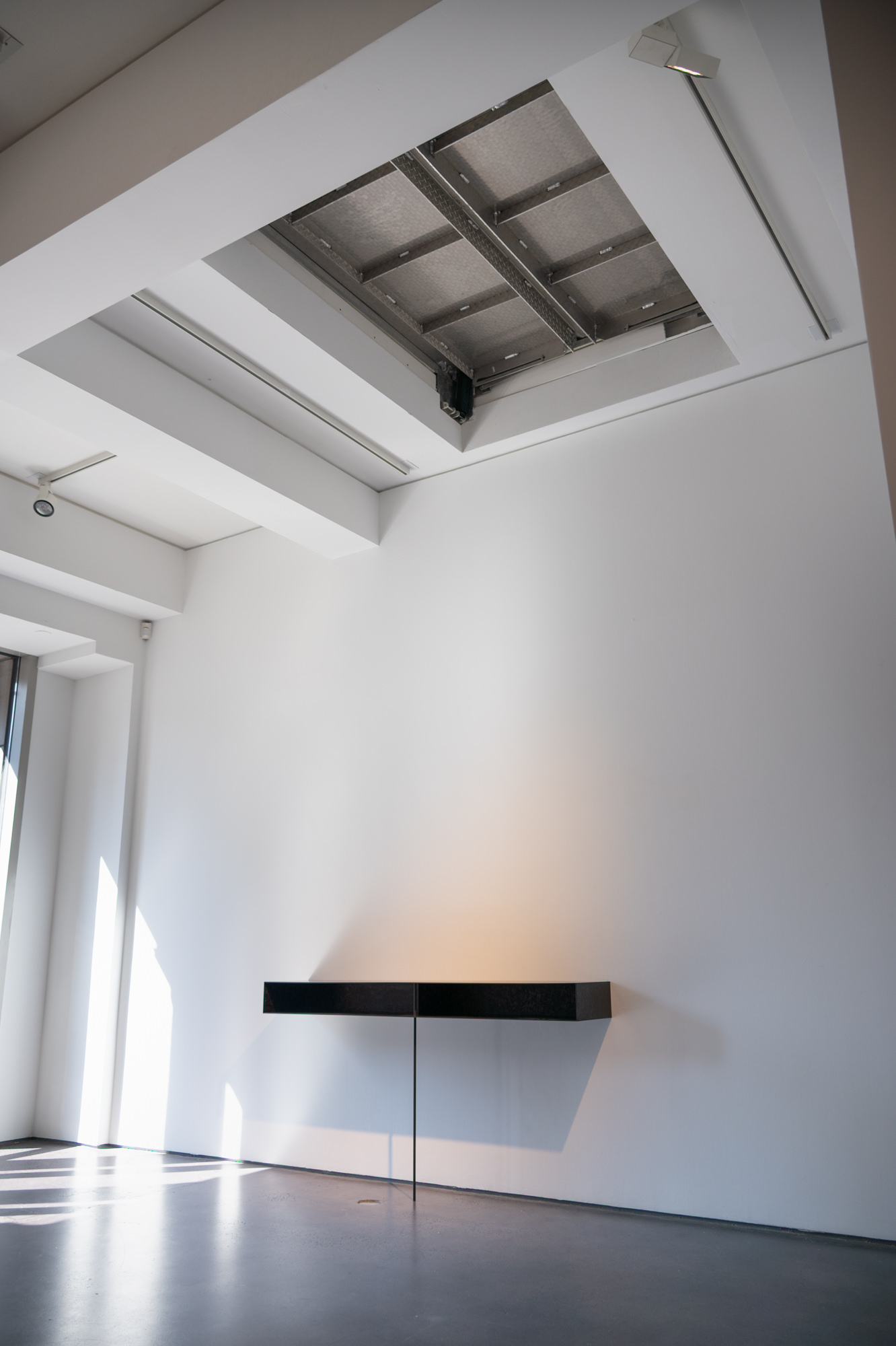
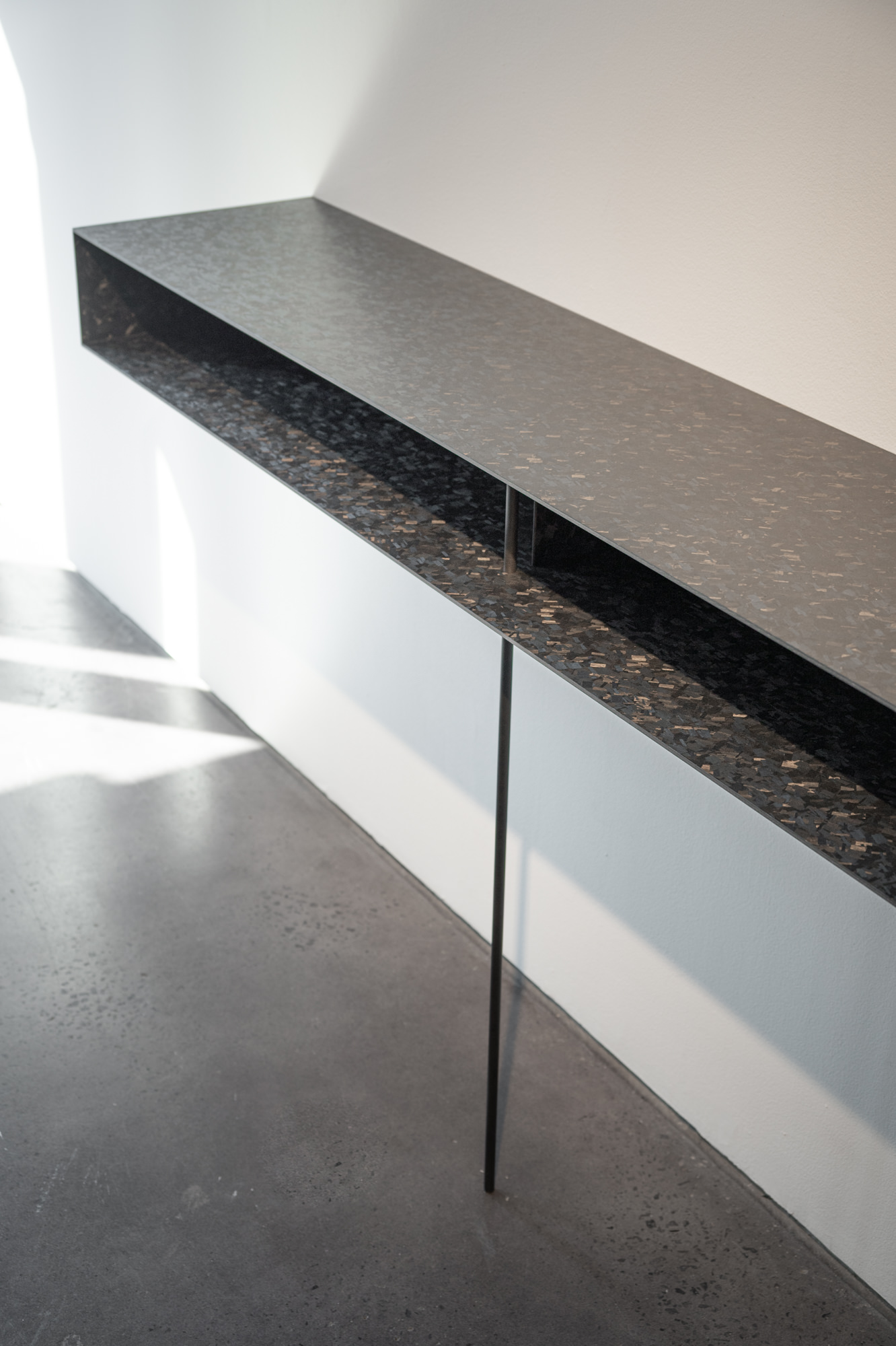
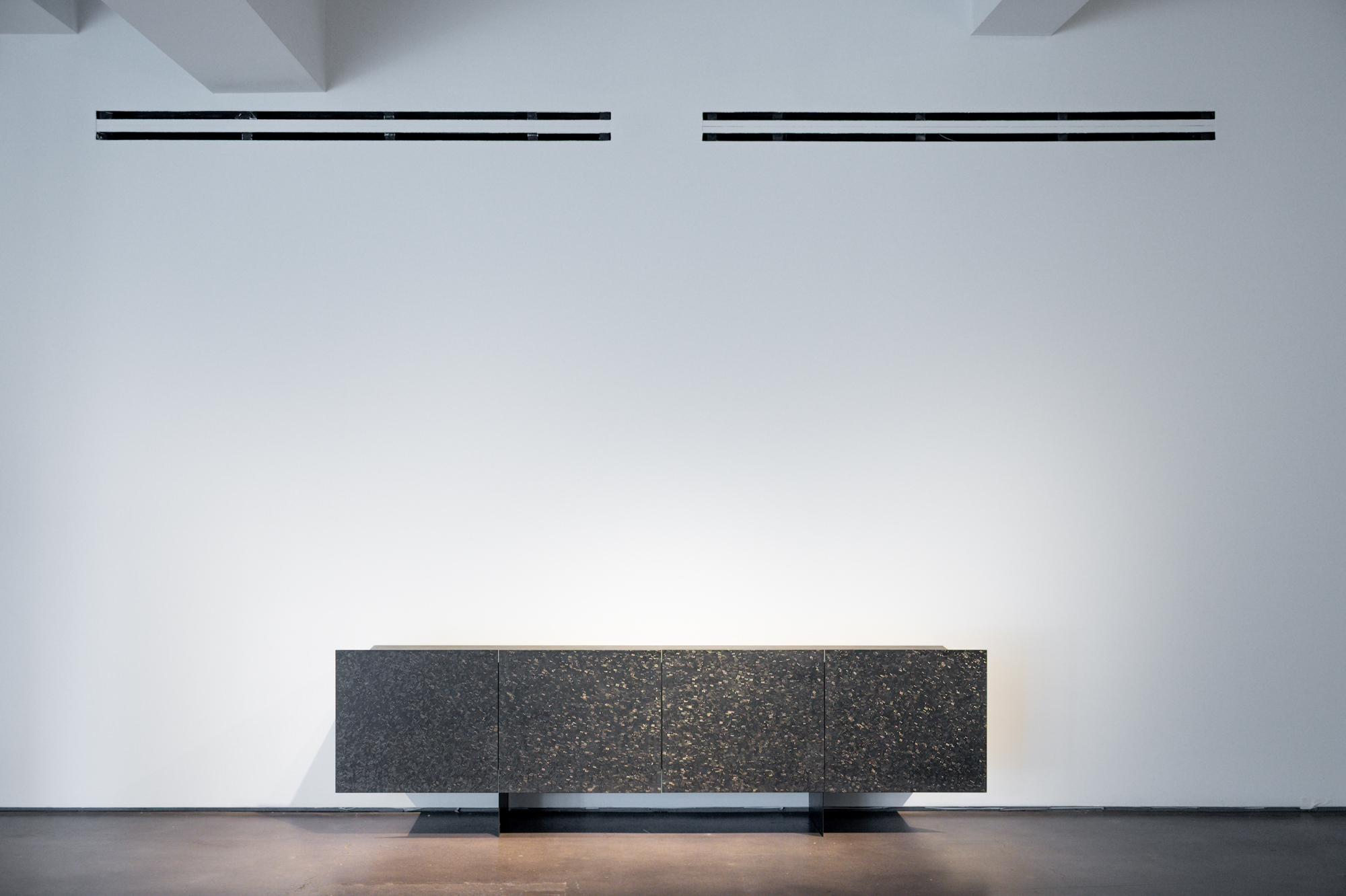
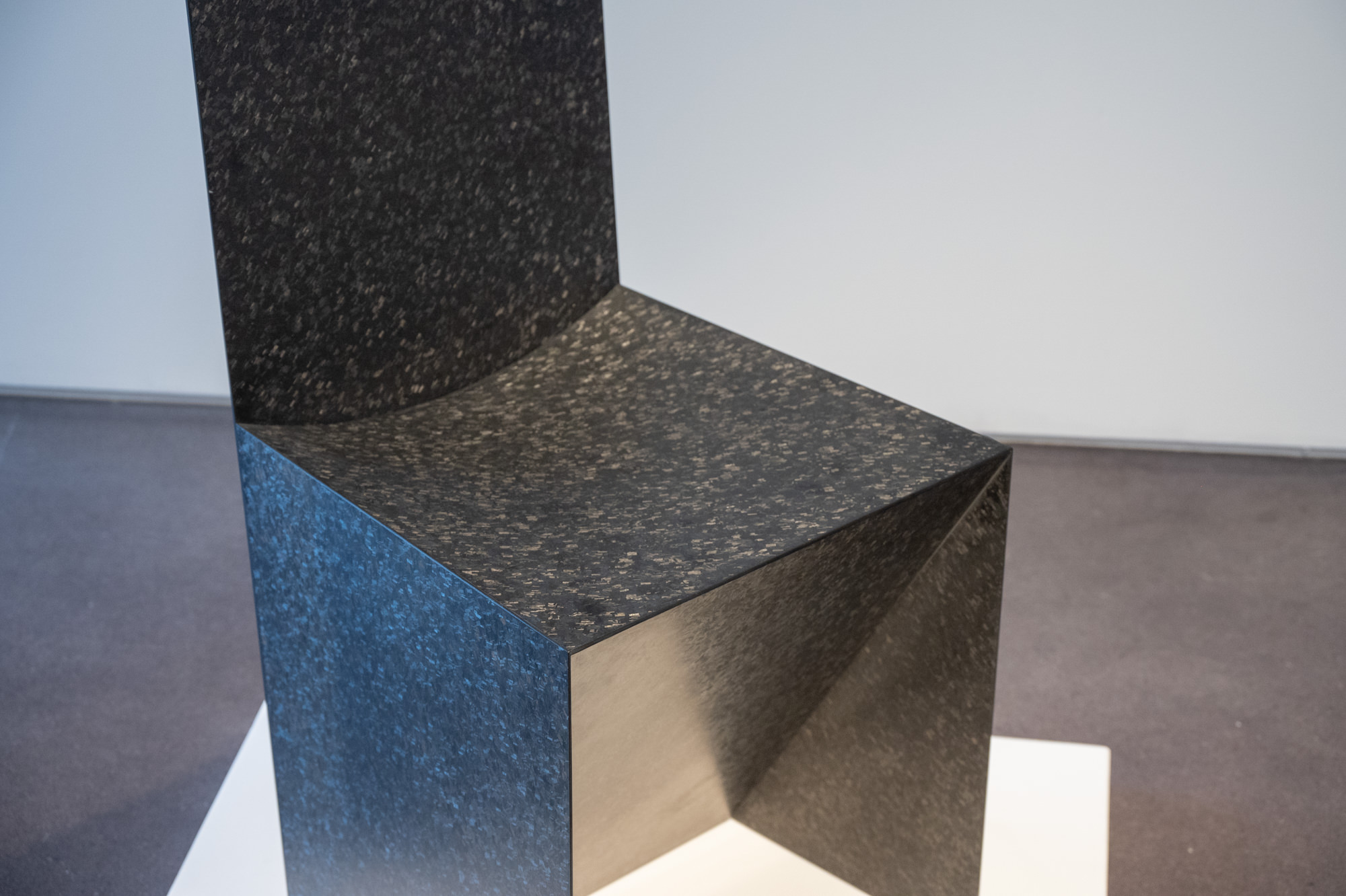
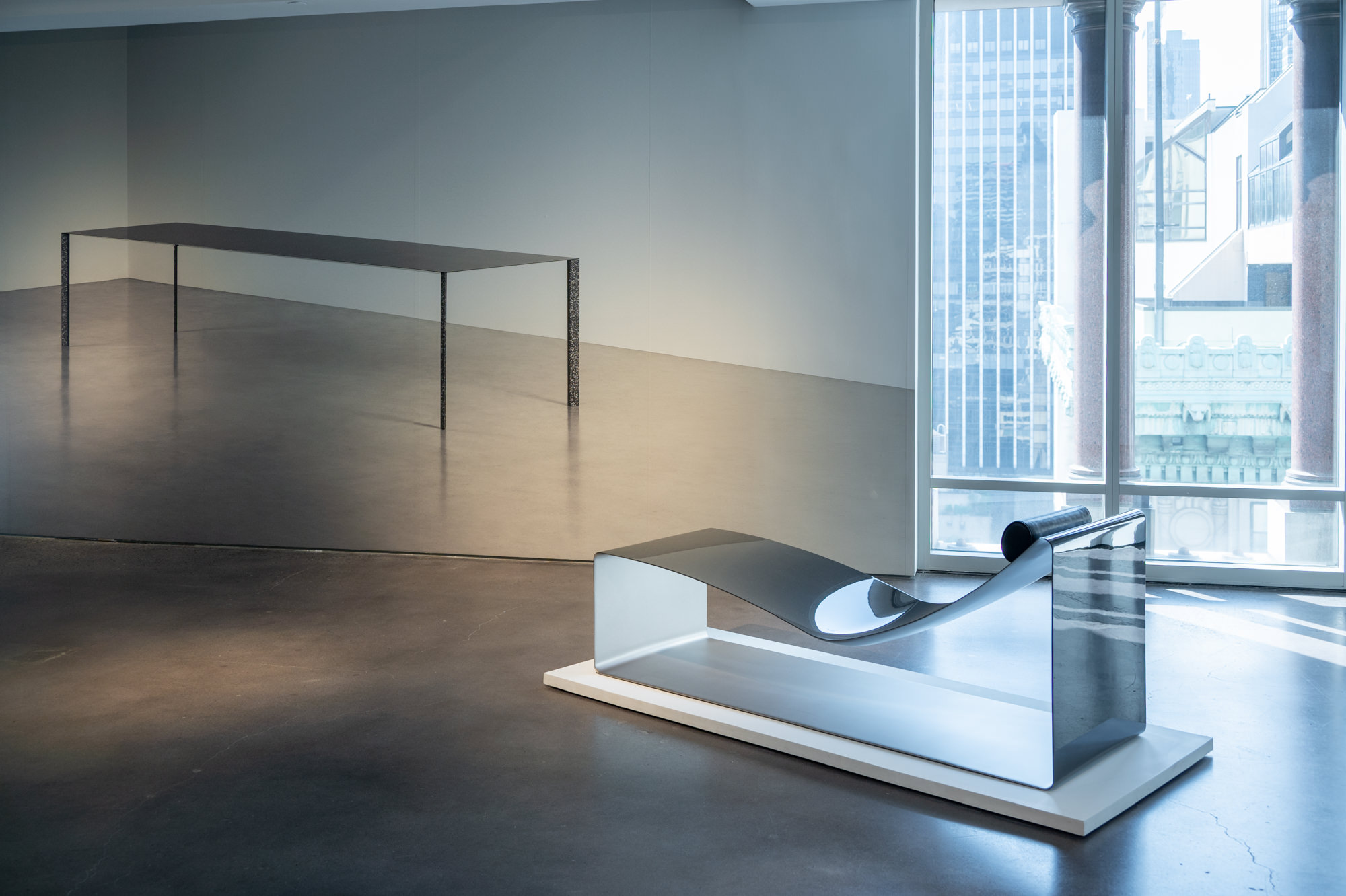
Previously exhibited in London, British designer Terence Woodgate and John Barnard’s Lightness of Form is one of two exhibitions spanning the summer months at Carpenters Workshop Gallery in NYC. The exhibition includes five pieces commissioned by Carpenters that Woodgate designed in collaboration with former Formula One engineer John Barnard.
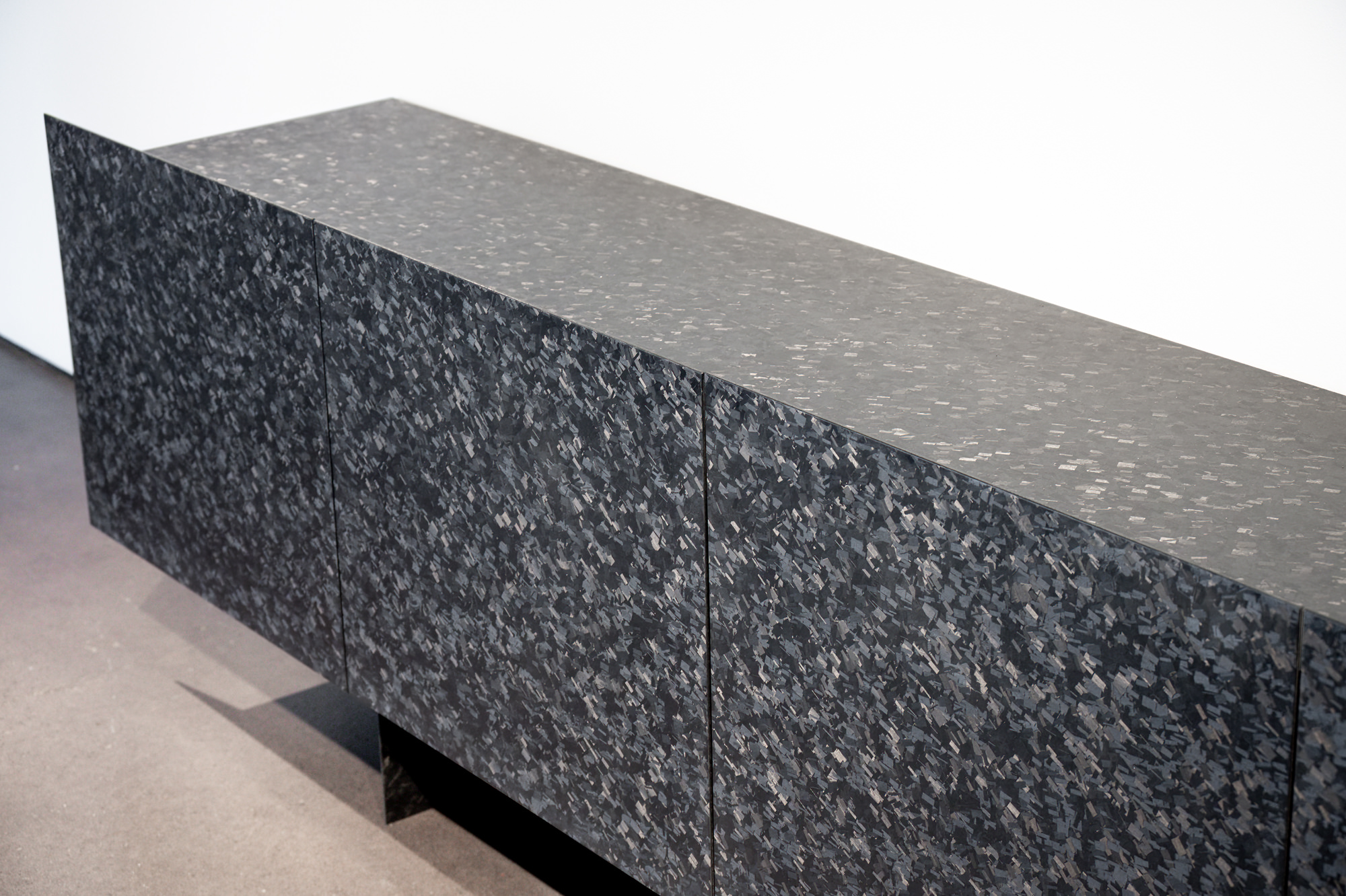
The collection is made mostly of carbon fiber and that’s where Barnard’s experience lies. He’s unofficially the father of introducing carbon fiber into F1 with the 1981 McLaren MP4 (MP4/1), the first first carbon fiber composite chassis to compete for the championship.
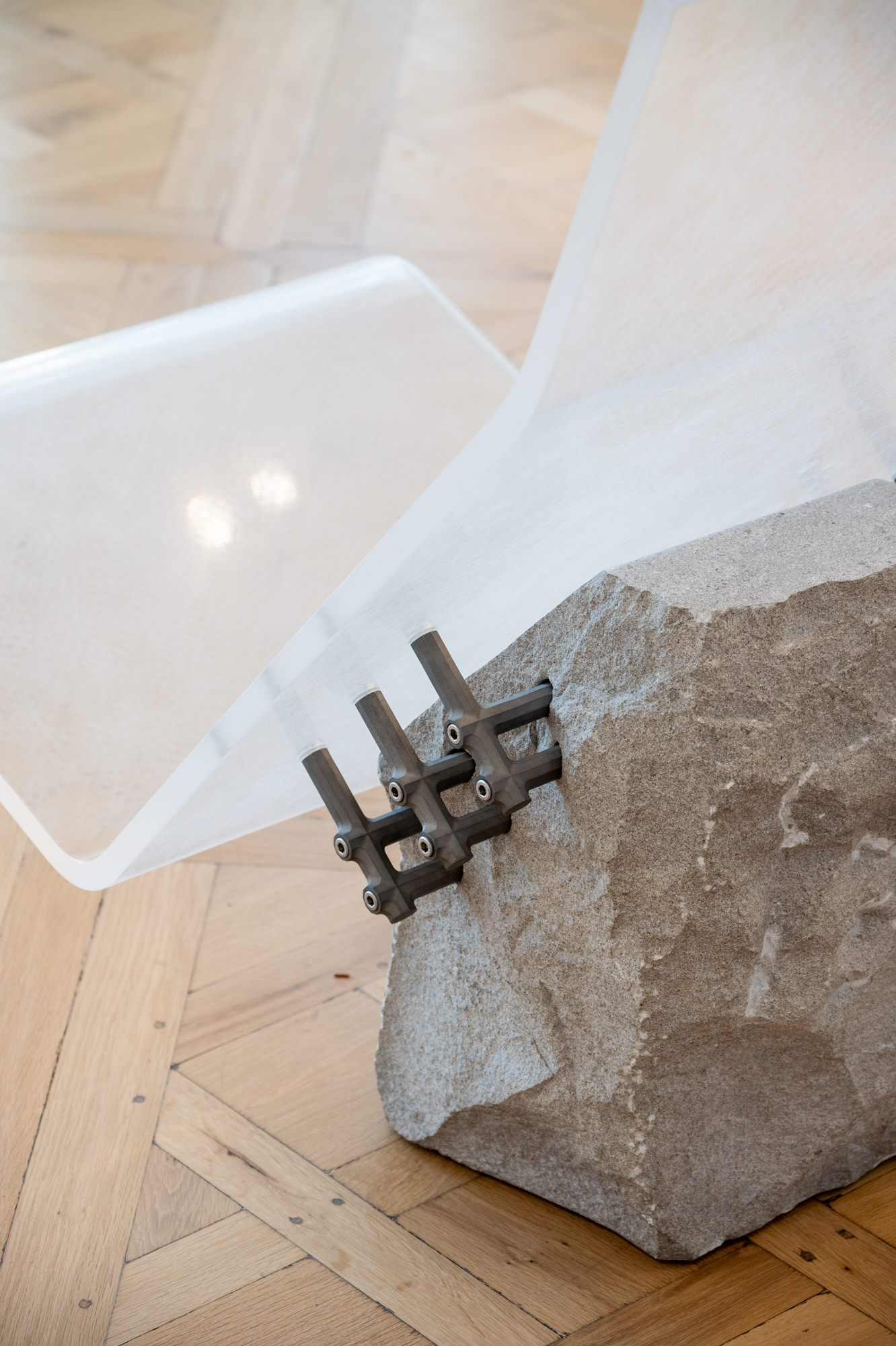
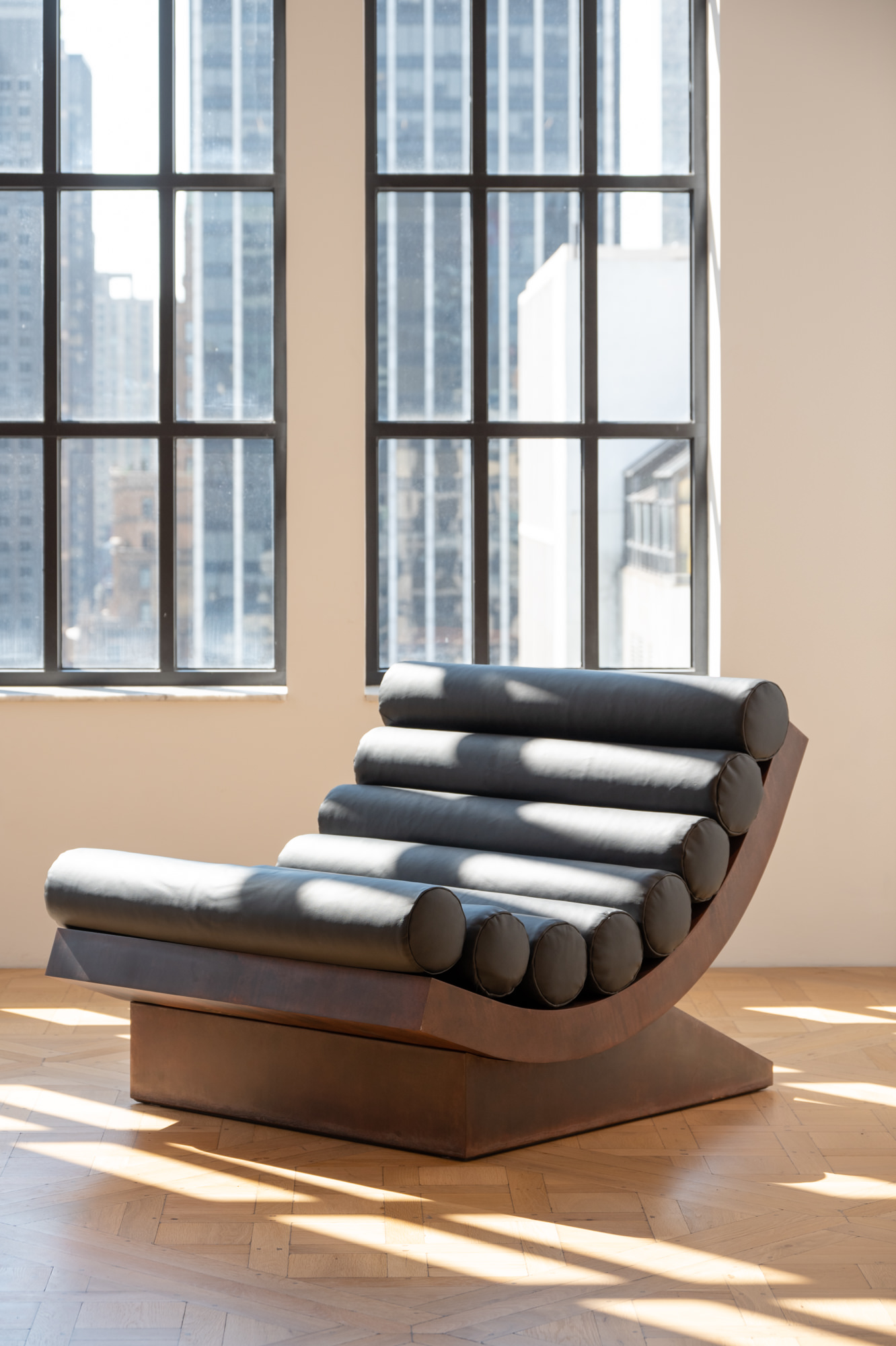
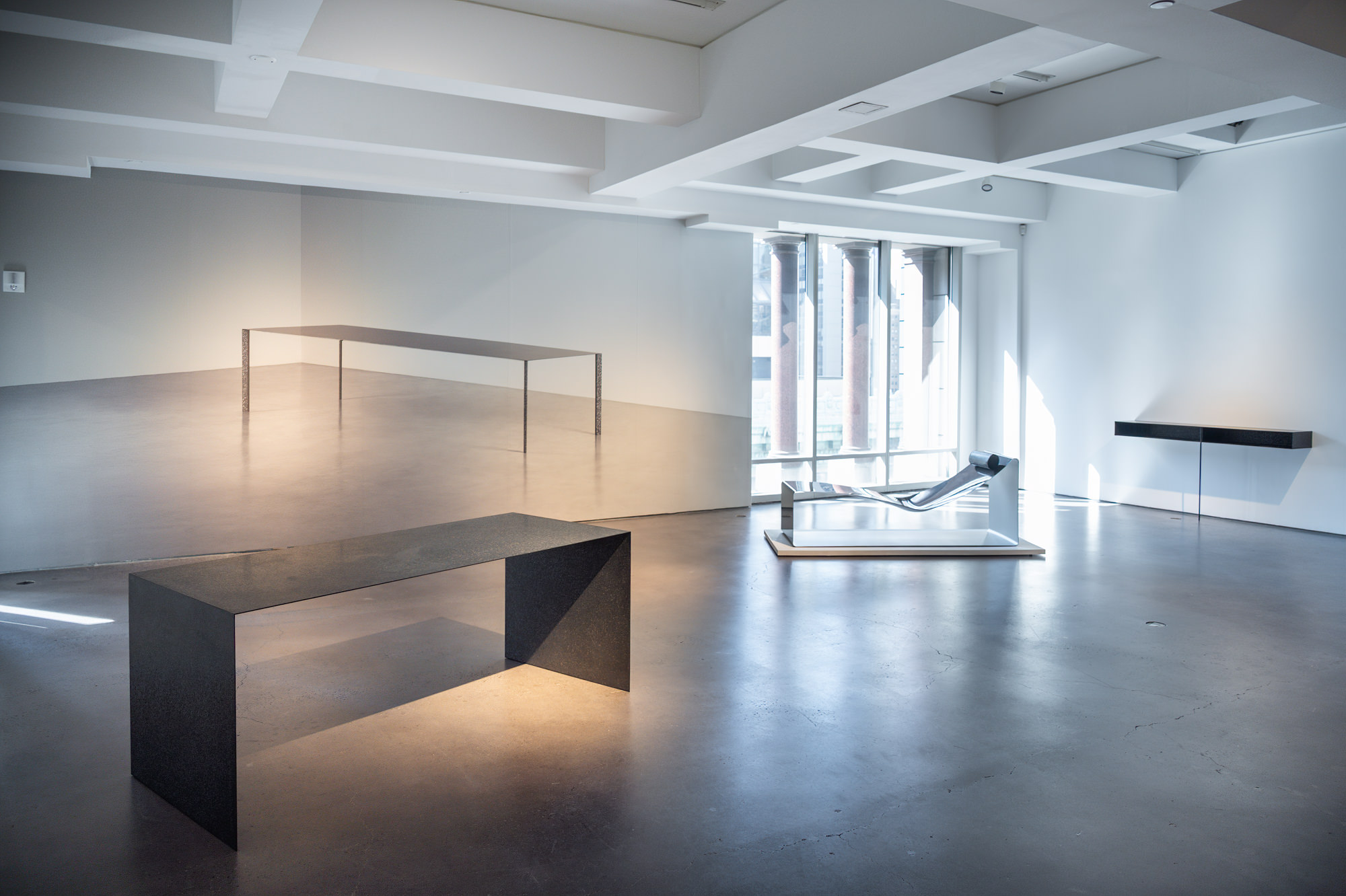
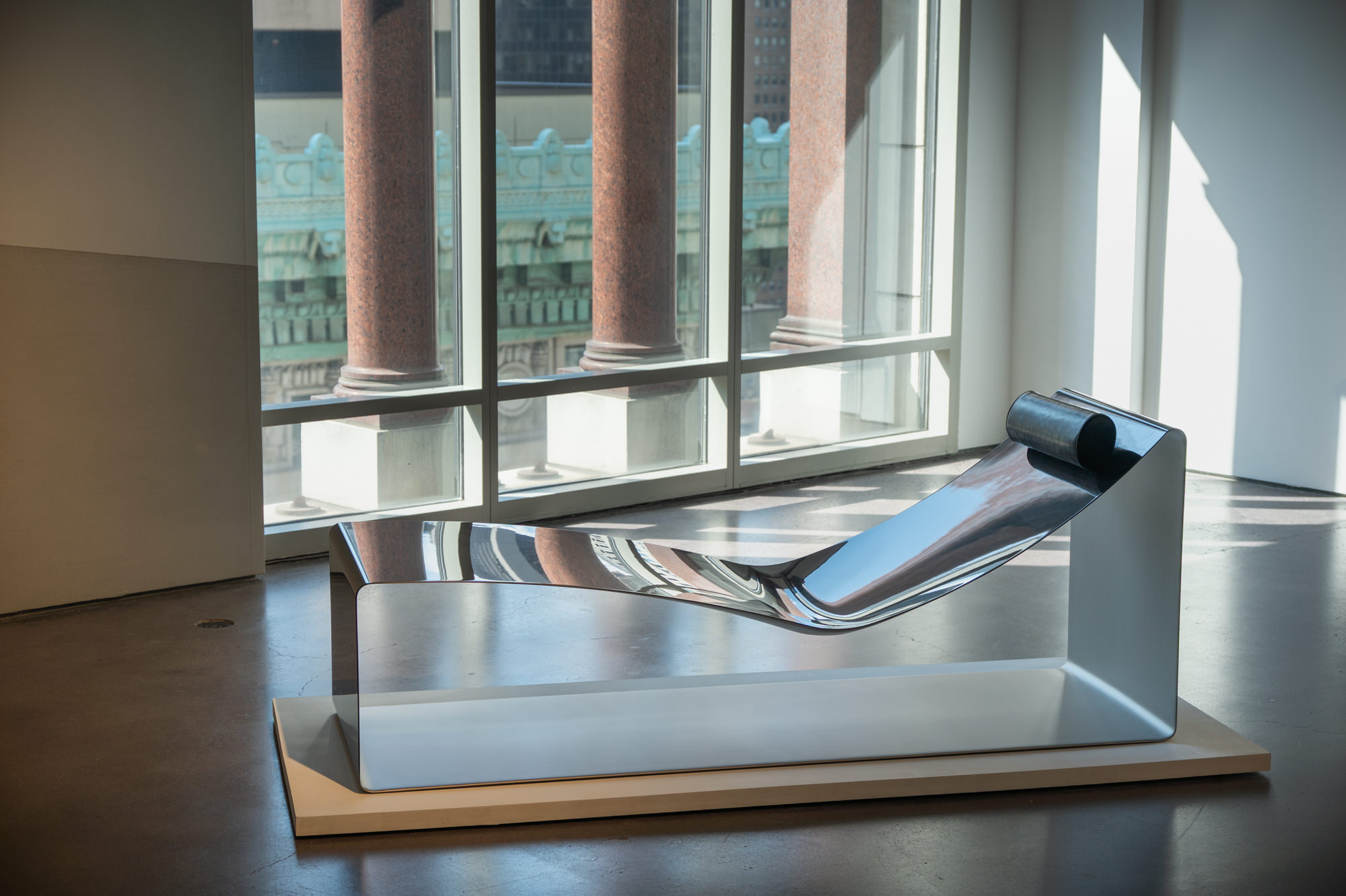
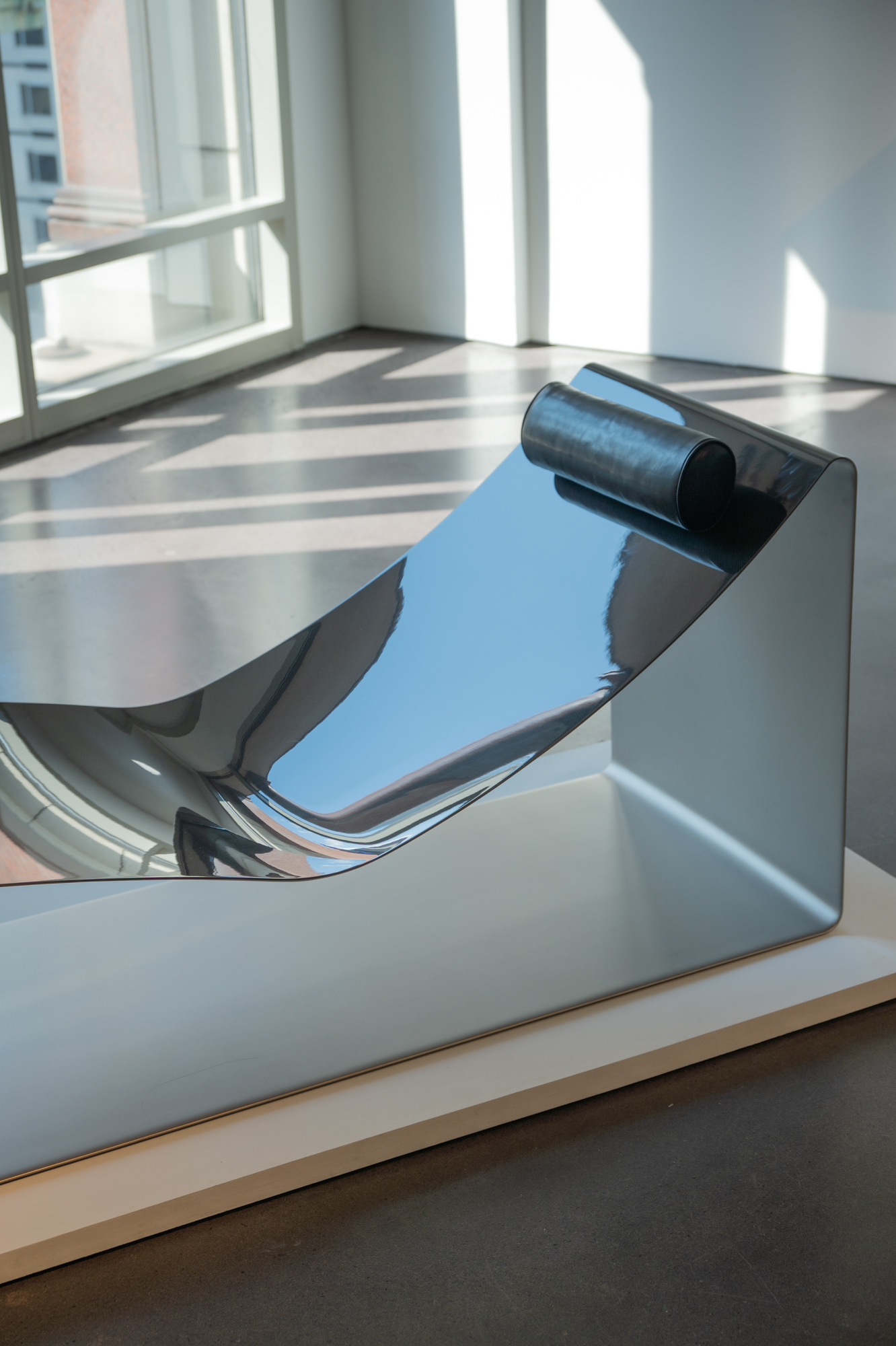
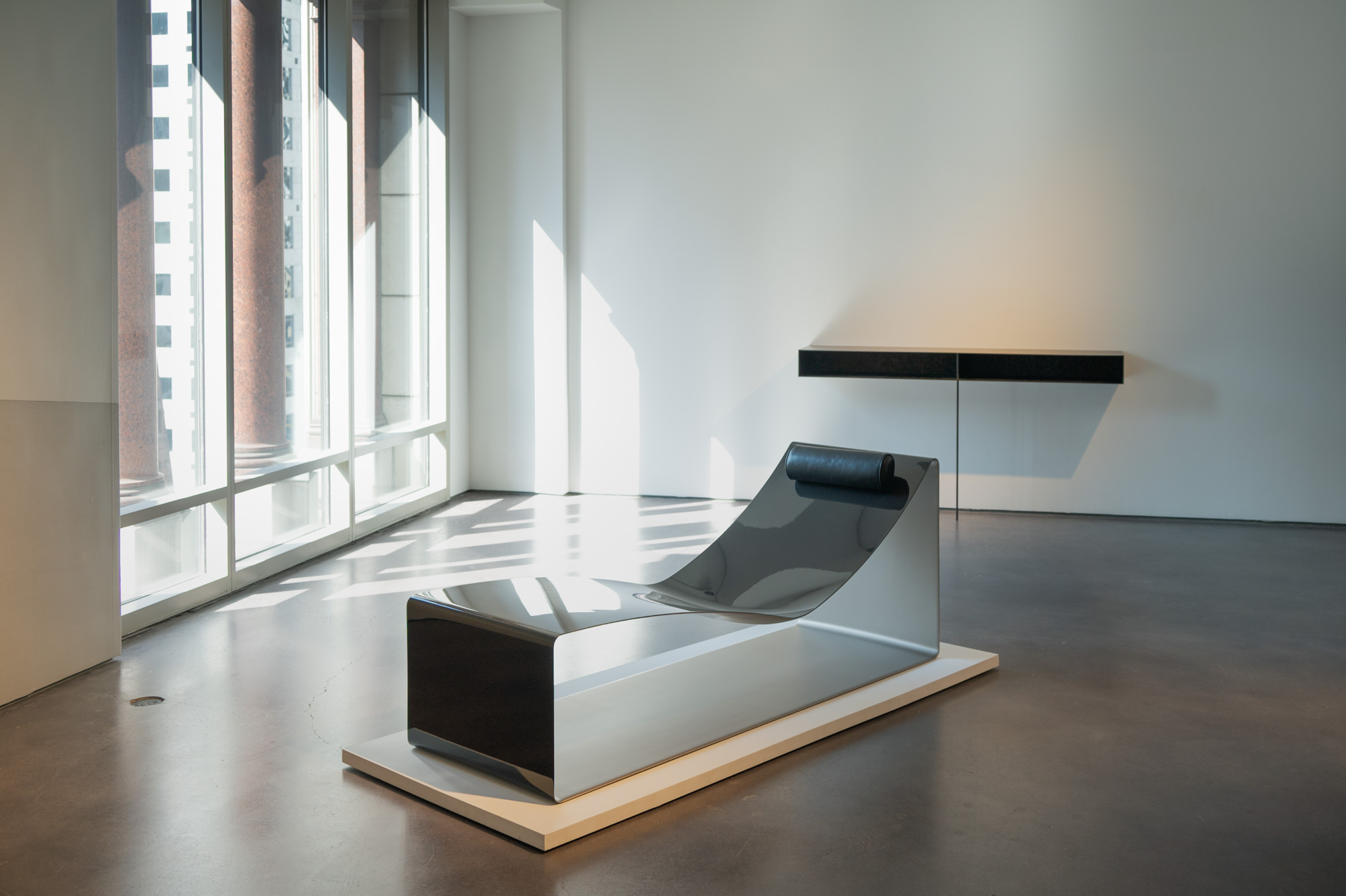
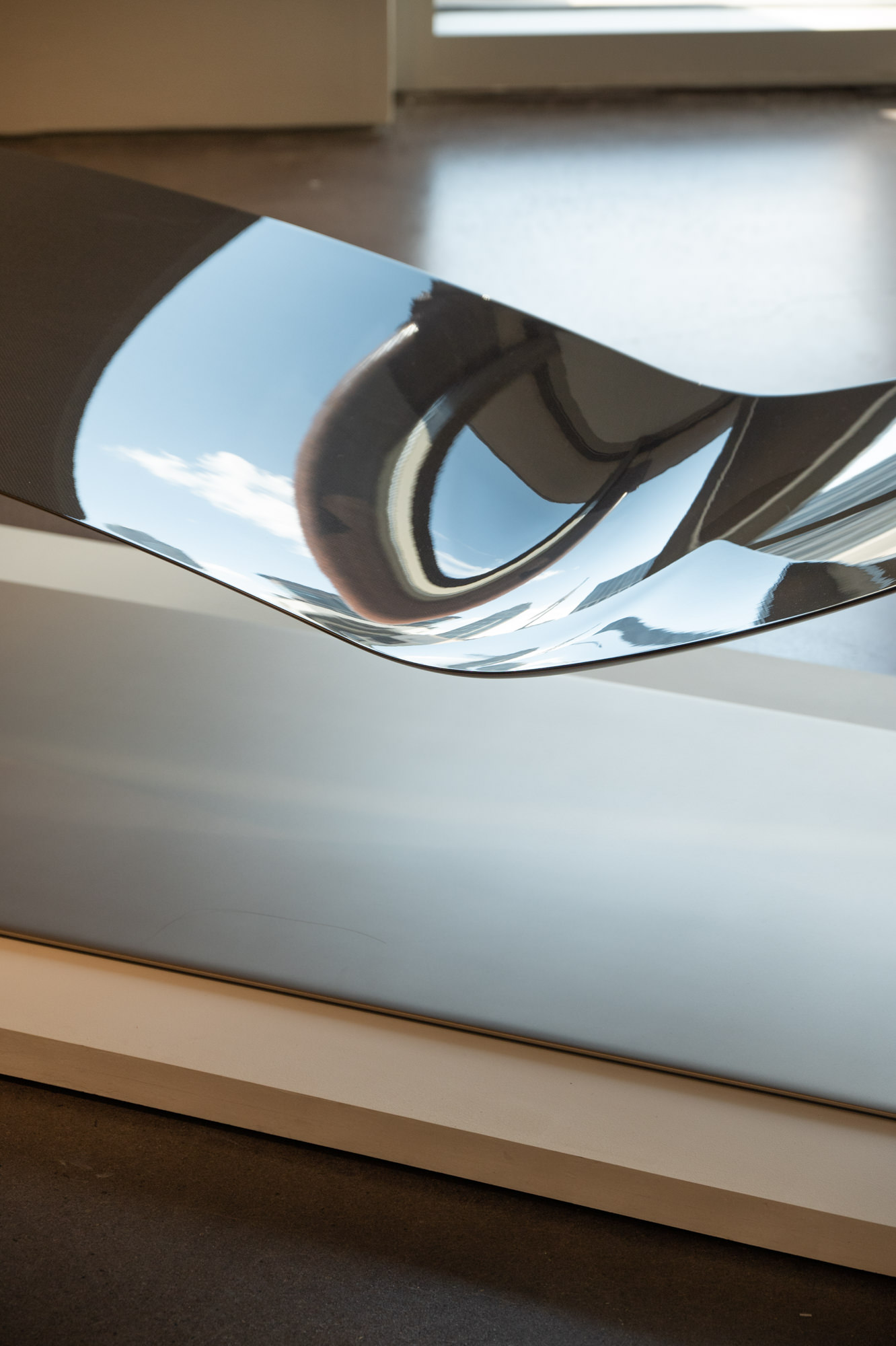
The most F1-looking piece is the Carbon Chaise Lounge Prototype which looks like an impossibly thin speed form. One nice detail is the magnetic headrest that can be adjusted across hidden iron rails in the seat back.
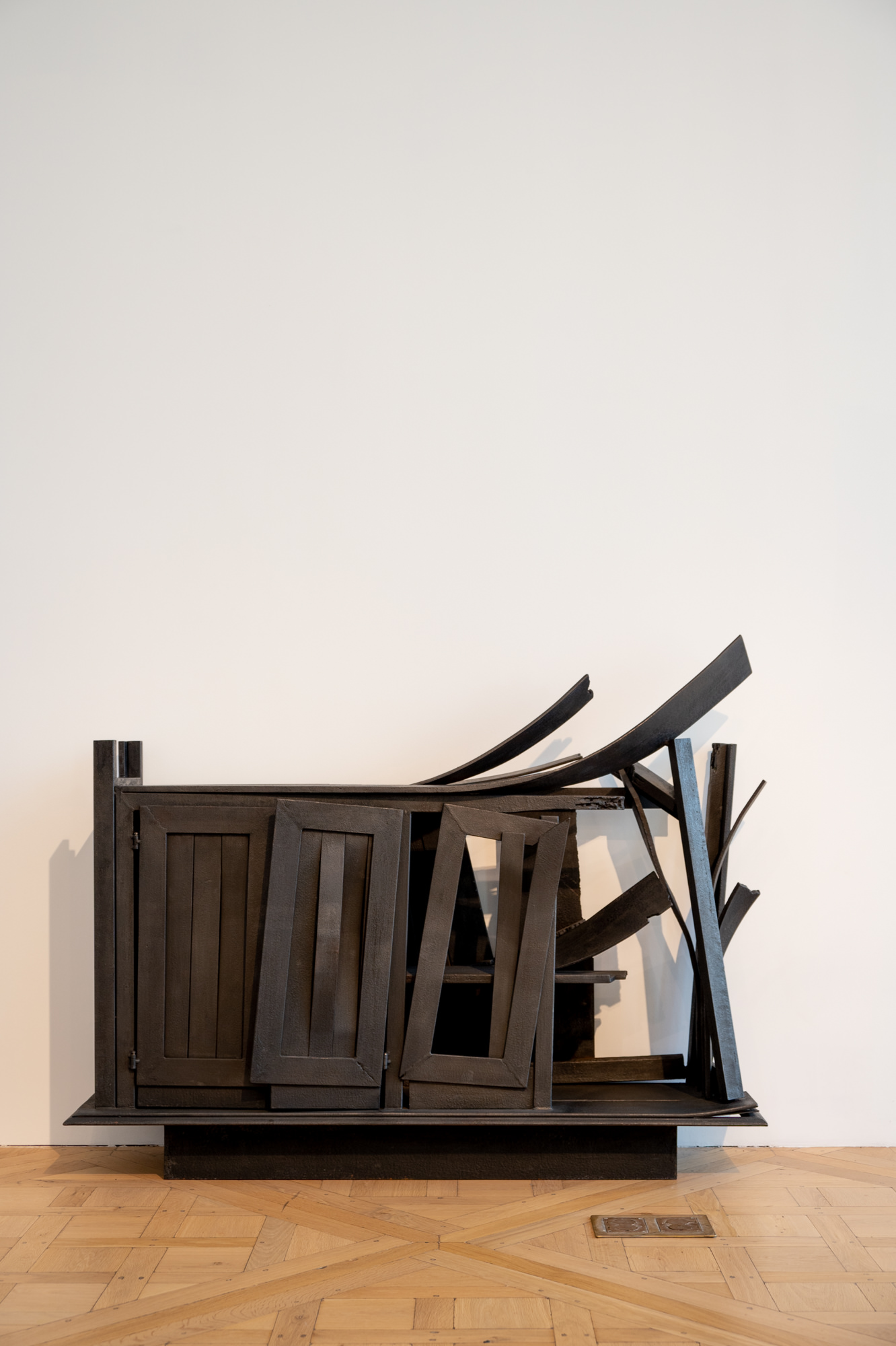
It took every bit of restraint to not try to lift, open or sit on any of these pieces. There’s not a fastener, hinge or handle anywhere to be seen.
Photos and Text: Dave Pinter
Additional Text: Carpenters Workshop Gallery
Full Description
Lightness of Form is an exhibition by acclaimed British designer Terence Woodgate. Shown for the first time in New York at Carpenters Workshop Gallery New York, the works are a refined study in balance, where structural innovation meets sculptural clarity. Developed in close dialogue with pioneering Formula 1 engineer John Barnard, this presentation continues the designer’s exploration of space, movement, and minimalism.
Chaise Lounge explores the human body in motion, translating ergonomic function into a continuous, sculptural line. Its form flows seamlessly from one point to another, creating a sense of suspended movement that echoes both aerodynamic design and the contours of the reclining figure. Featuring two new works, the exhibition continues the ongoing dialogue between Woodgate’s conceptual clarity and Barnard’s engineering precision. Crafted in carbon fiber, the Fine Line Console appears to float effortlessly against the wall, its ultra-thin profile emphasizing both strength and lightness. The 4 Doors Overlap Cabinet further exemplify the designers’ mastery of balancing fragility and stability. The seamless, handleless design emphasizes purity of line, while the material’s subtle sheen deepens the visual rhythm of the overlapping elements.
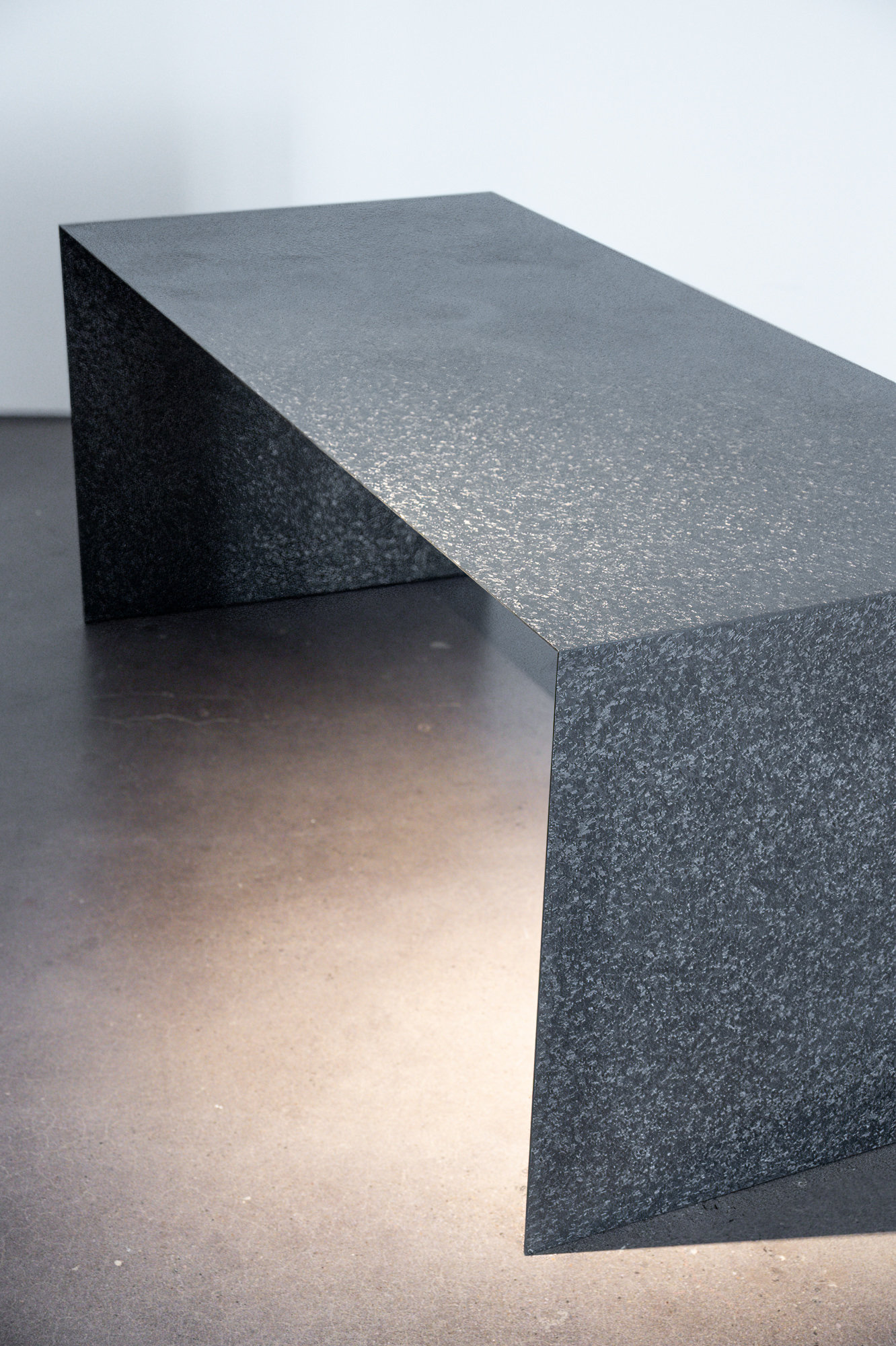
Wedge Desk presents an angular and architectural expression, defined by a sharp geometry that emphasizes tension and precision. Its form is characterized by a tapering volume that appears to cut through space, creating a dynamic interplay between mass and void Despite its solid appearance, the desk retains a sense of visual lightness, its proportions carefully calibrated to minimize bulk while maintaining structural clarity.Across these works, carbon fiber plays a central role as an exercise in technology and as a means of achieving visual lightness and structural efficiency. The material allows forms to shift between flexibility and rigidity, producing designs that feel both minimal and highly resolved.
This presentation at Carpenters Workshop Gallery New York highlights Woodgate and Barnard’s collaboration. Their work produces objects that exist between disciplines – functional yet sculptural, rigorous yet poetic.
Material Intent | Color & Form
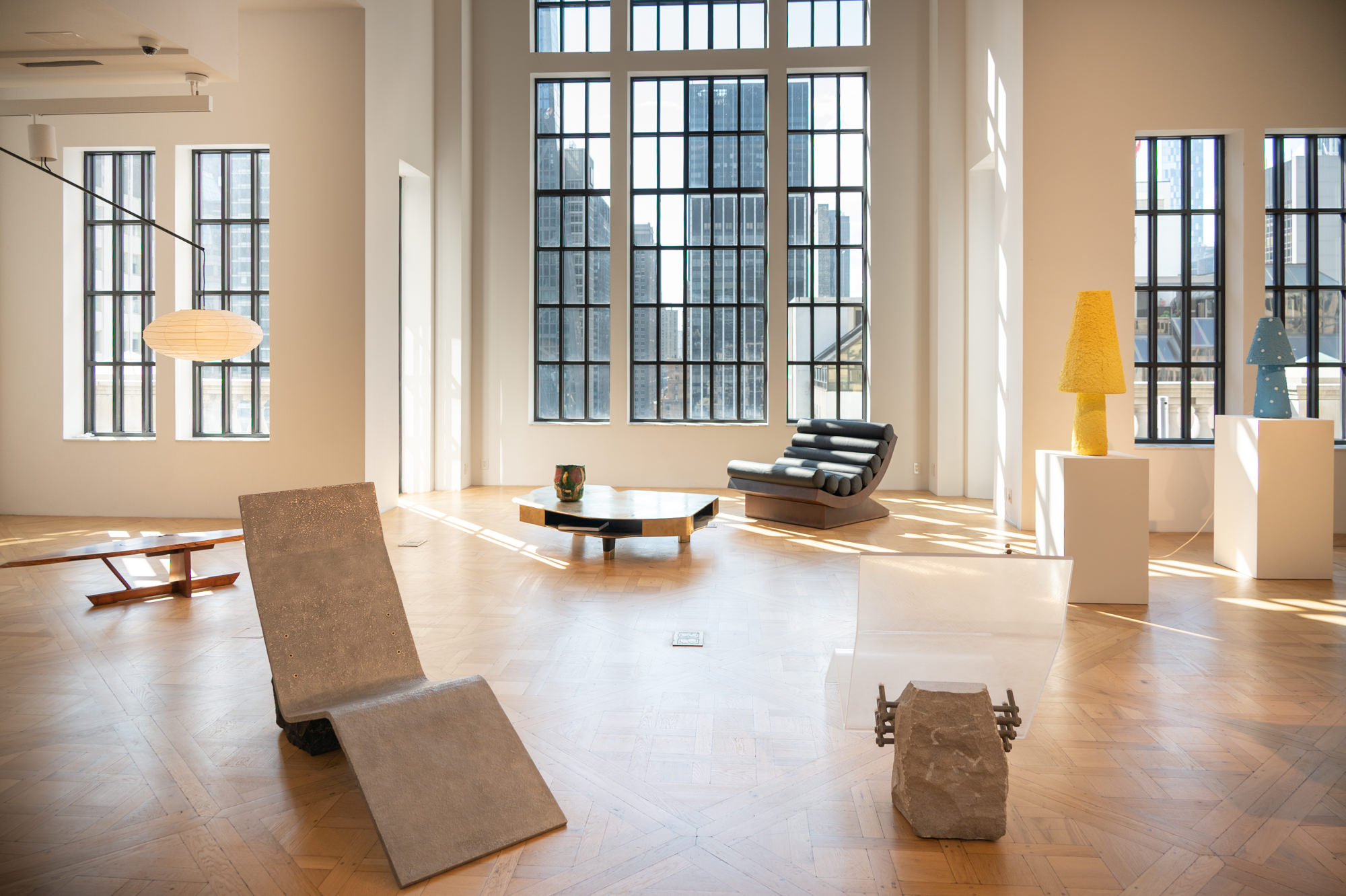
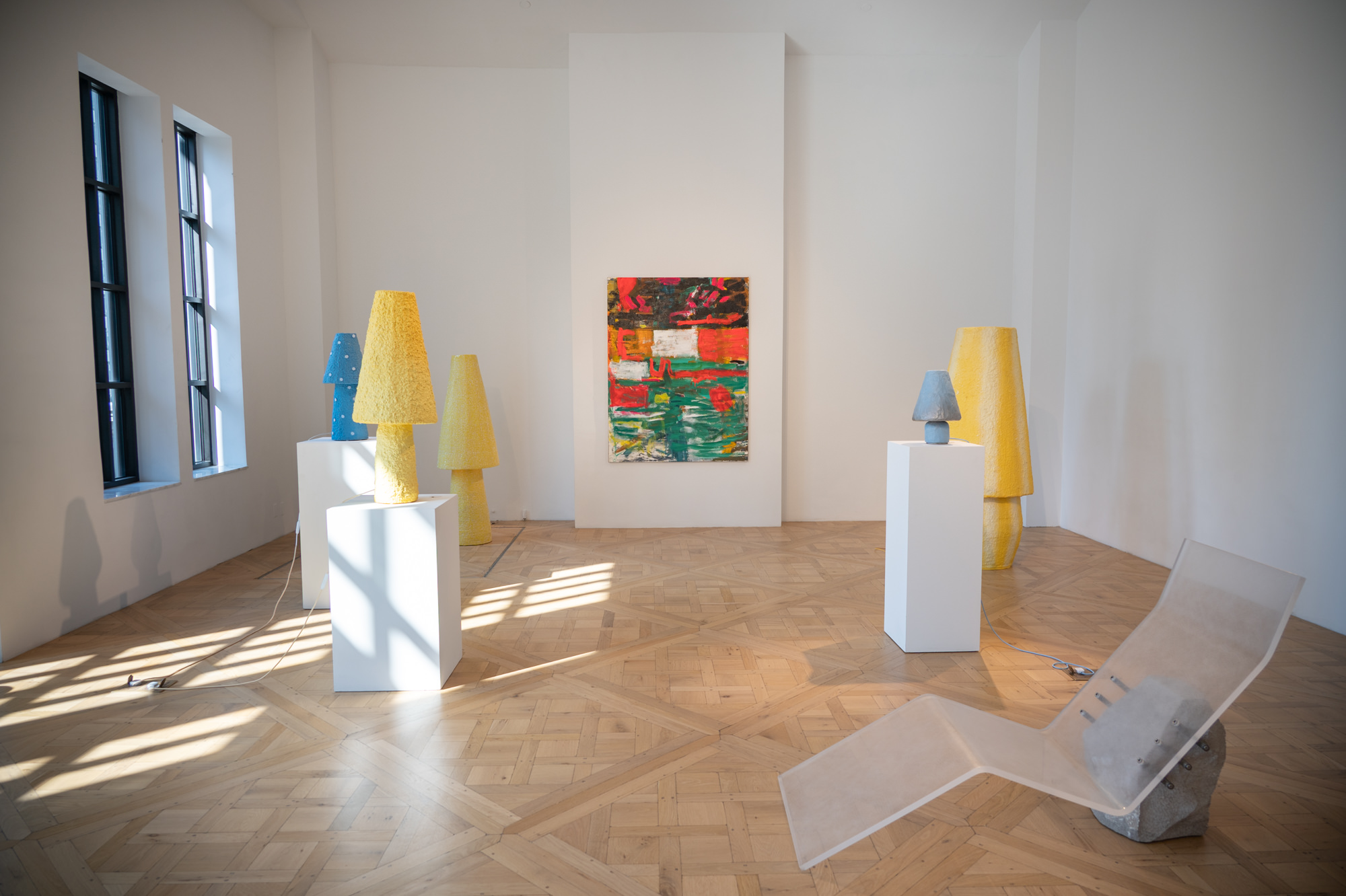
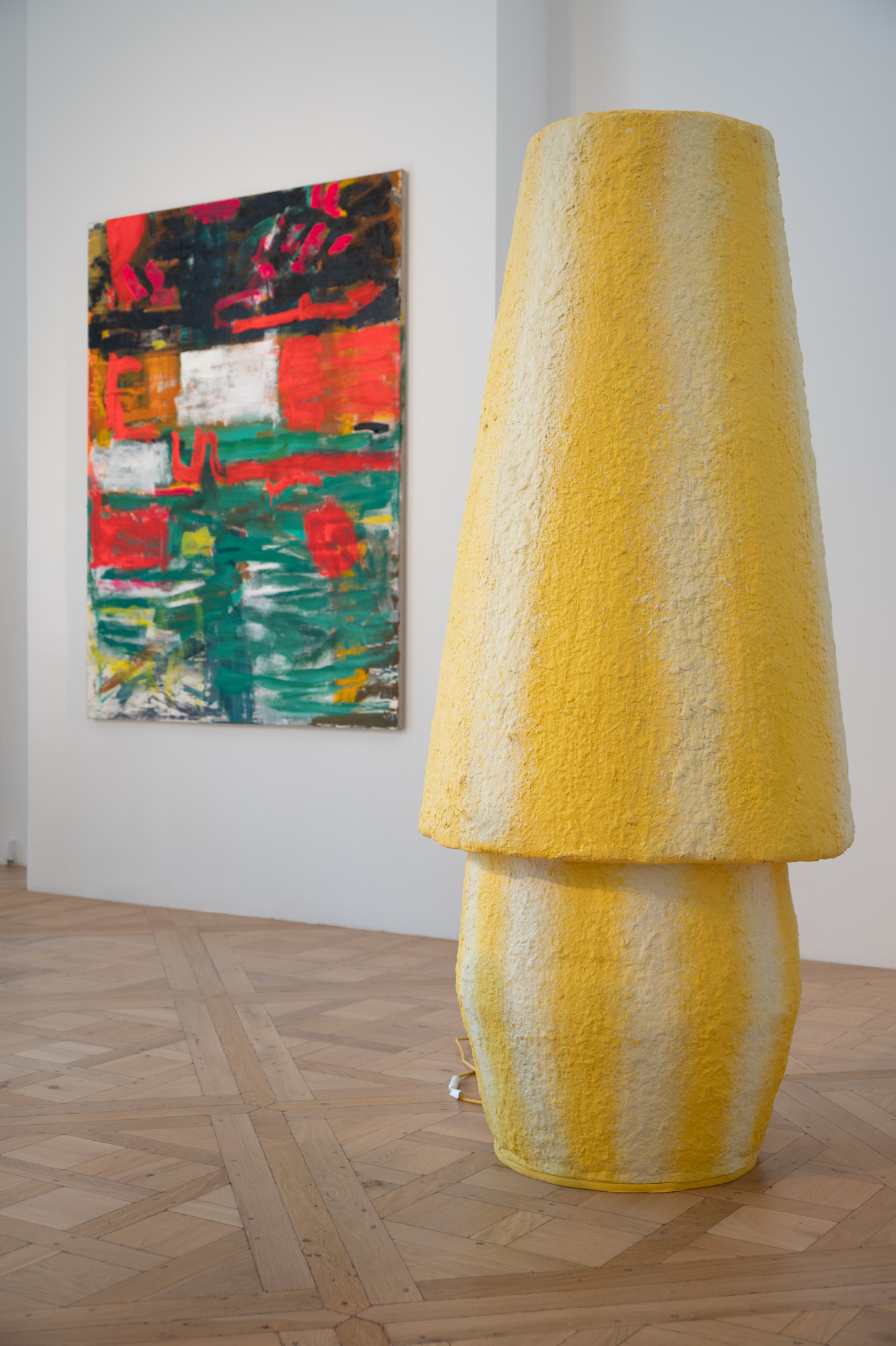
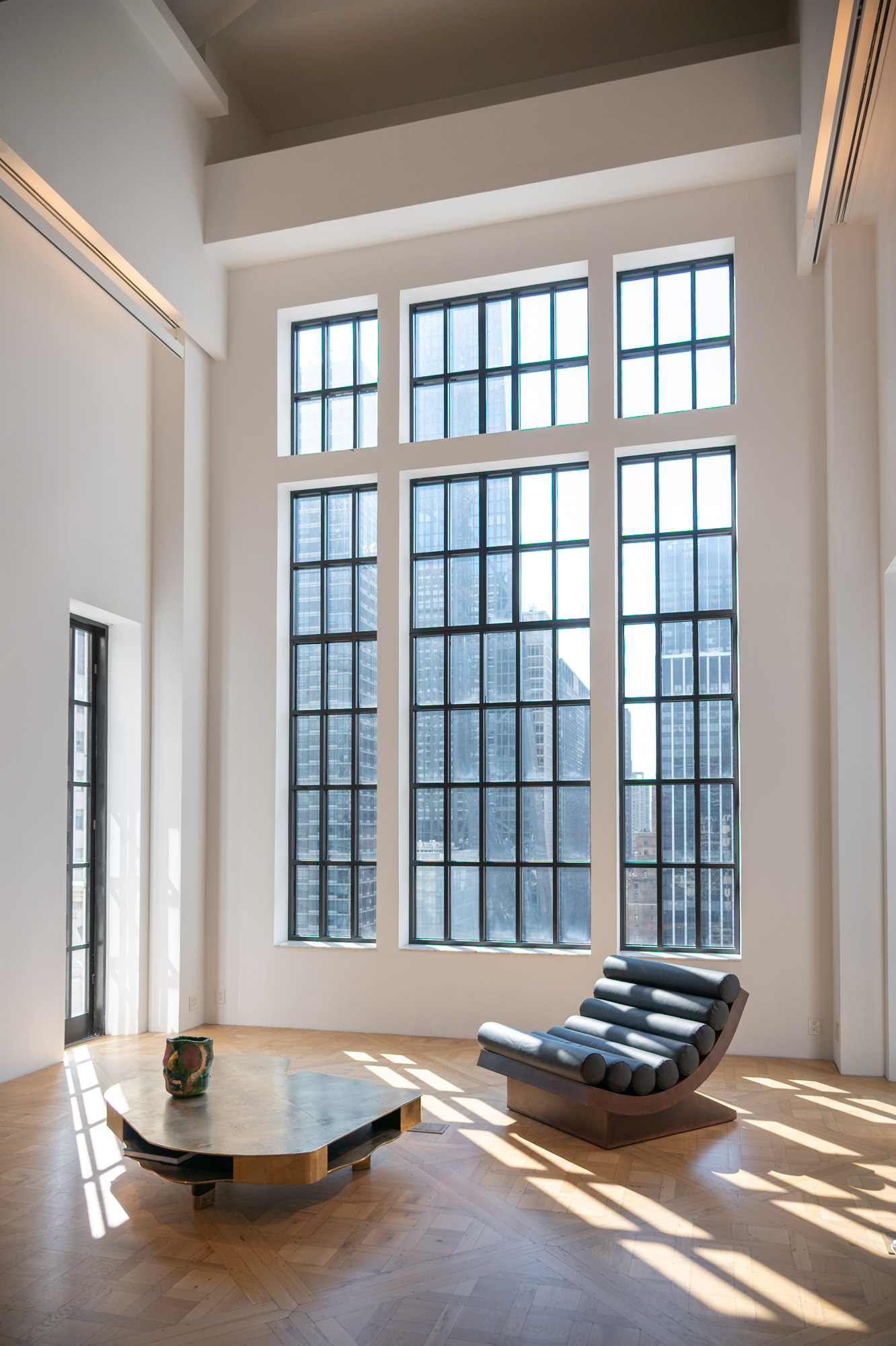
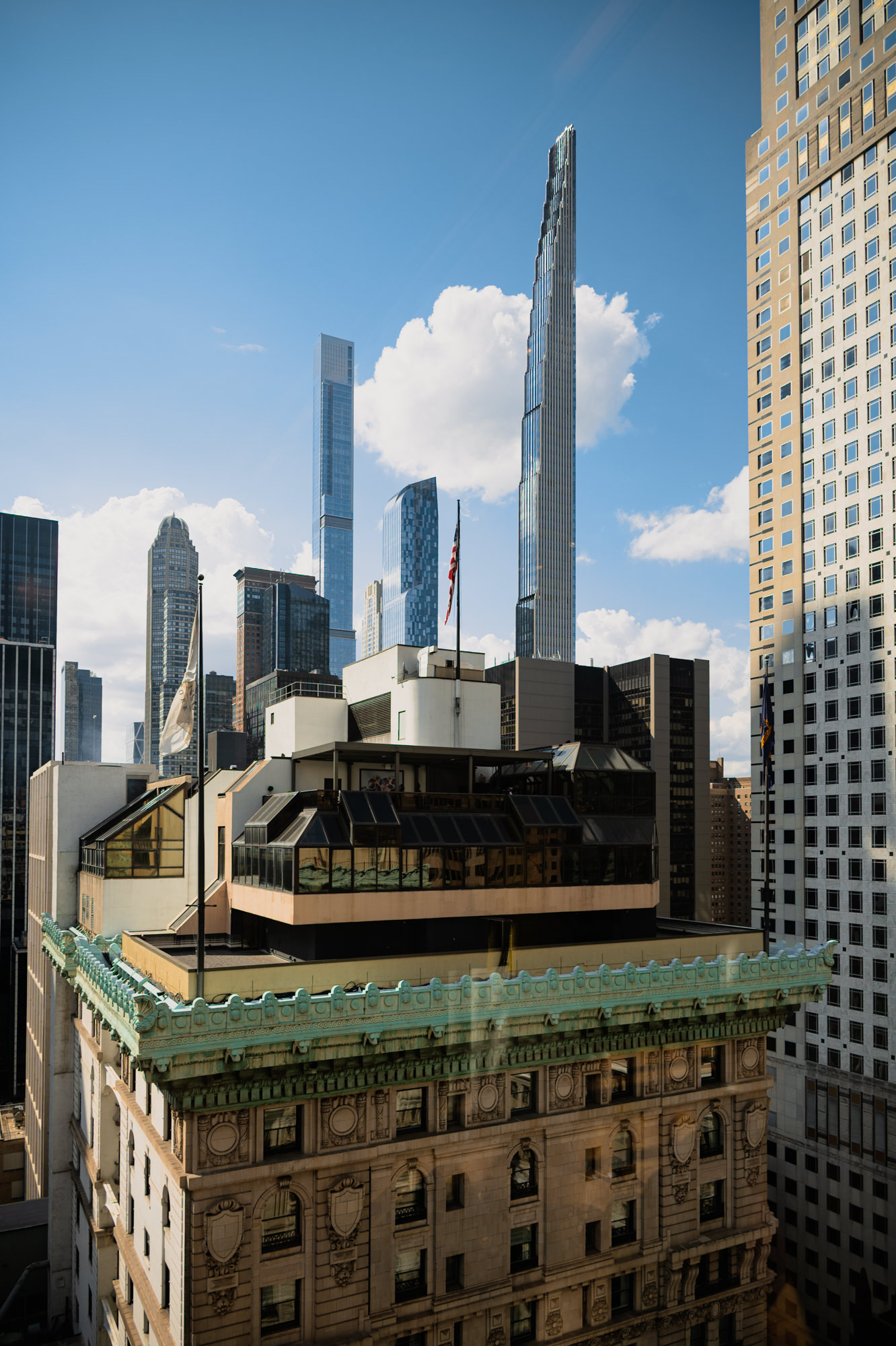
Upstairs in the penthouse is a summer themed show anchored by French artist Léa Mestres colorful sculptural lamps named after her friends and family. It’s always a treat to visit this space when the sun is shining in to get a glimpse of the 5th Ave skyline.
Full Description
Material Intent is an exhibition of design pieces united by the warm, luminous, and joyful sensibilities that define the season. The exhibition features both contemporary and historic works that embrace brightness and openness, inviting viewers into an interplay between object, space, and time.
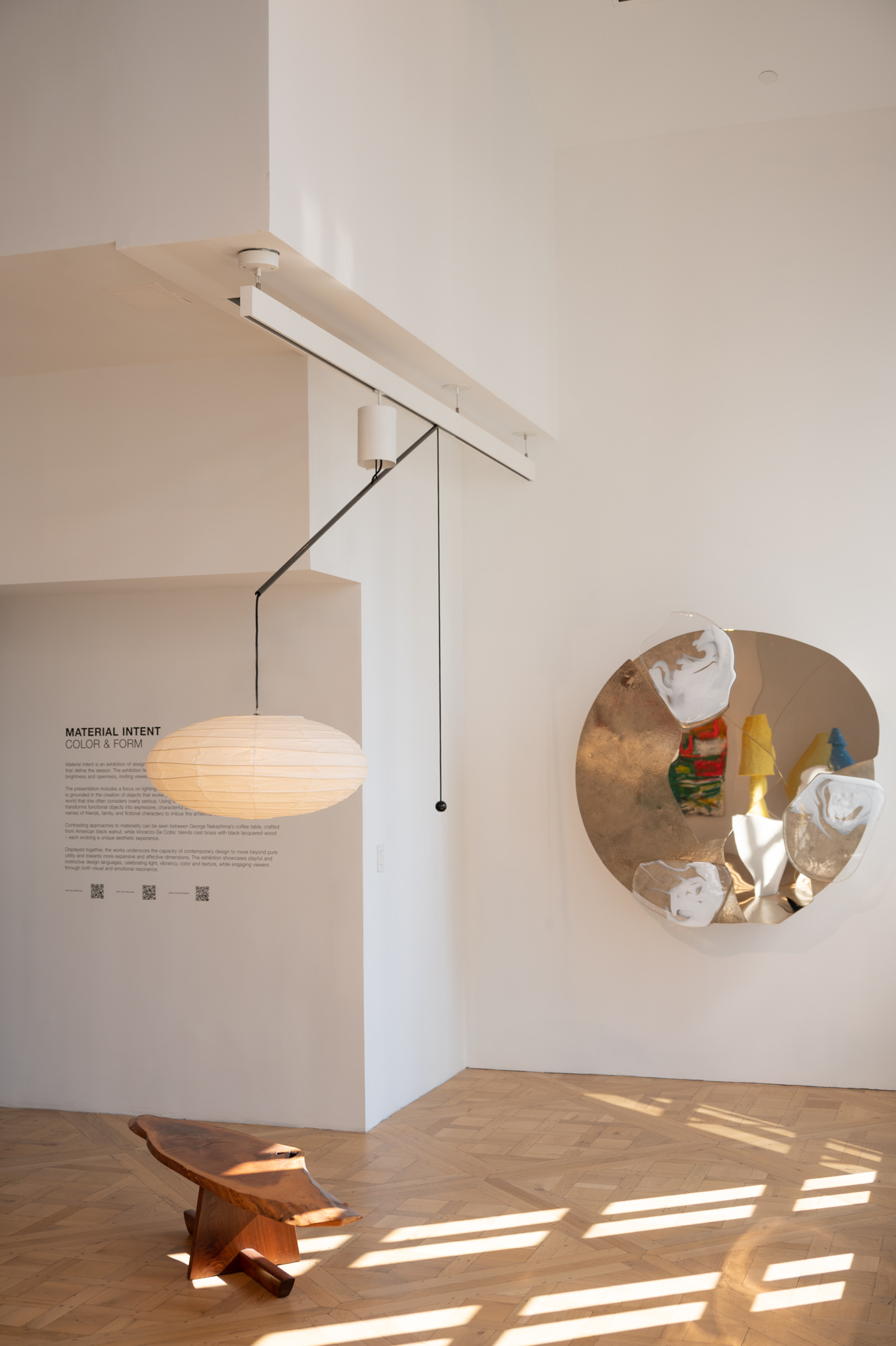
The presentation includes a focus on lighting sculptures by French artist Léa Mestres, whose practice is grounded in the creation of objects that evoke joy. Mestres challenges the conventions of a design world that she often considers overly serious. Using whimsy and nostalgia as aesthetic devices, she transforms functional objects into expressive, characterful presences. Lamps like Kelly and Kyle use names of friends, family, and fictional characters to imbue the artworks with personality.
Contrasting approaches to materiality can be seen between George Nakashima’s coffee table, crafted from American black walnut, while Vincenzo De Cotis’ blends cast brass with black lacquered wood, each evoking a unique aesthetic experience.
Displayed together, the works underscore the capacity of contemporary design to move beyond pure utility and towards more expansive and affective dimensions. The exhibition showcases playful and instinctive design languages, celebrating light, vibrancy, color and texture, while engaging viewers through both visual and emotional resonance.