Affordable and stable housing in the early twenty-first century is a problem that needs more attention and solutions. Offloading the work to developers and the real estate industry, the vast majority of which operate as profit focused business models is why we’re ending up with endless ‘luxury’ storage units for humans that prioritize corporate earnings. Residential architectural design, like a lot of design these days has retreated to the high-end, bespoke and multi-dwelling clientele.
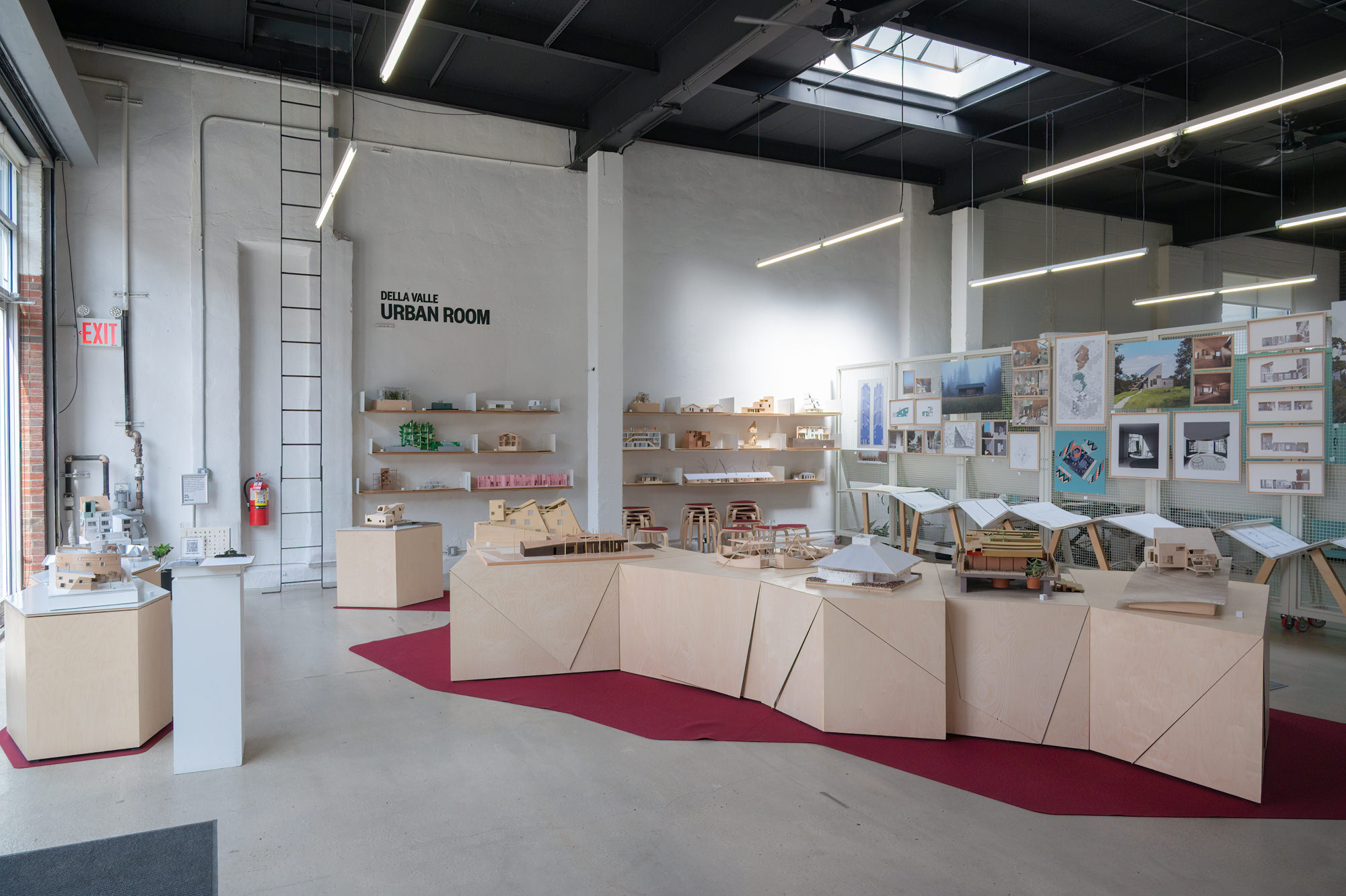
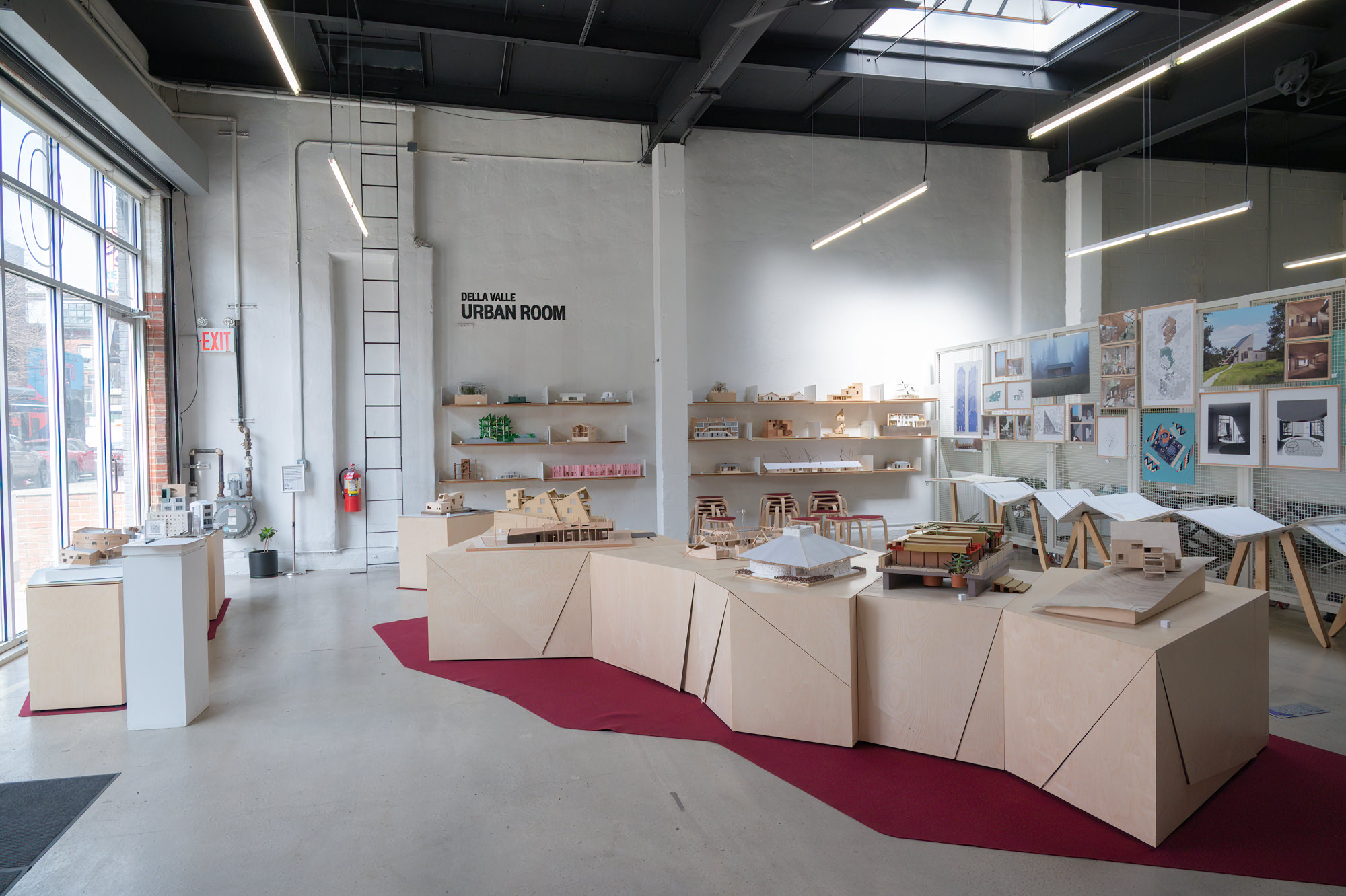
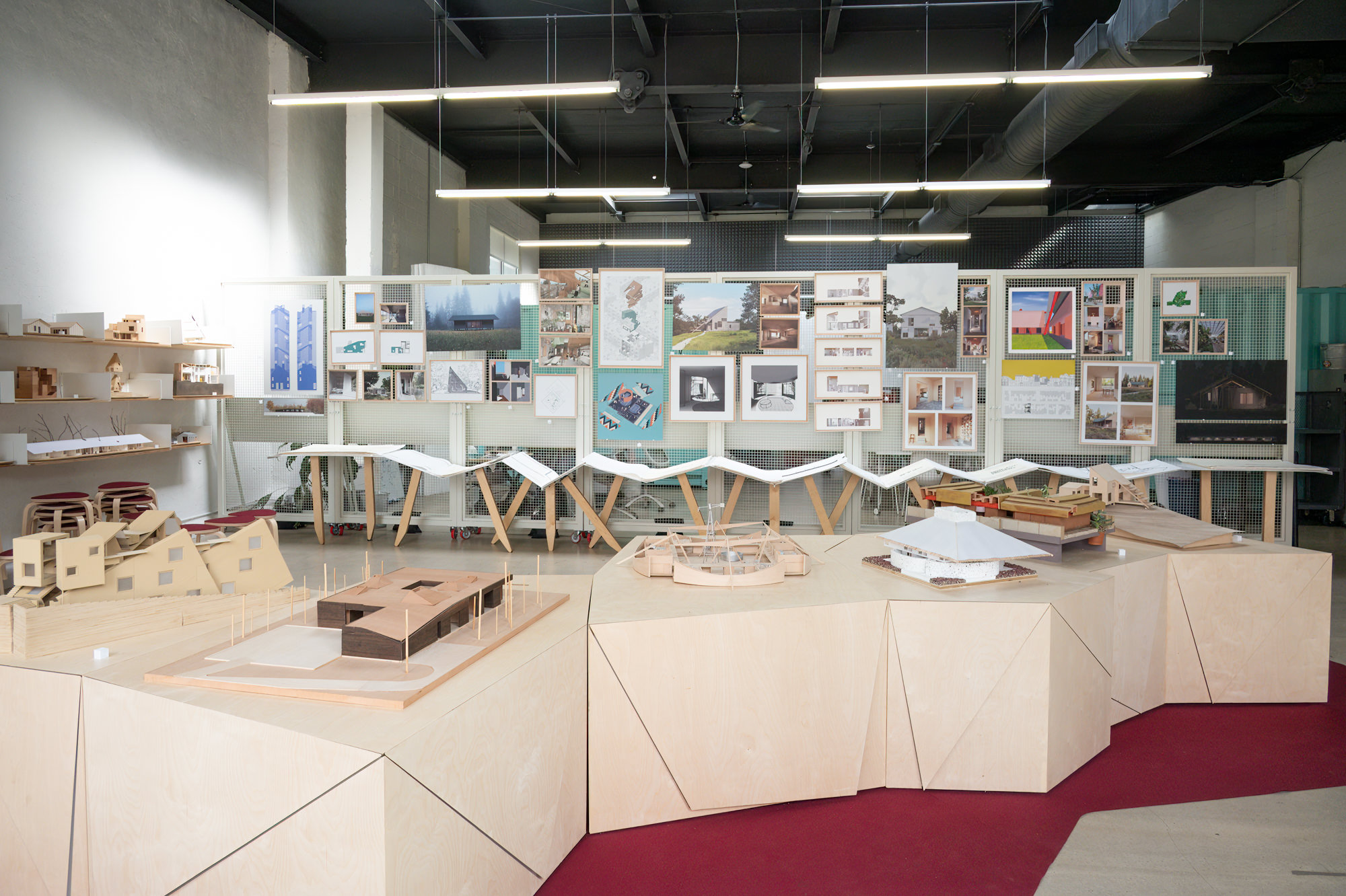
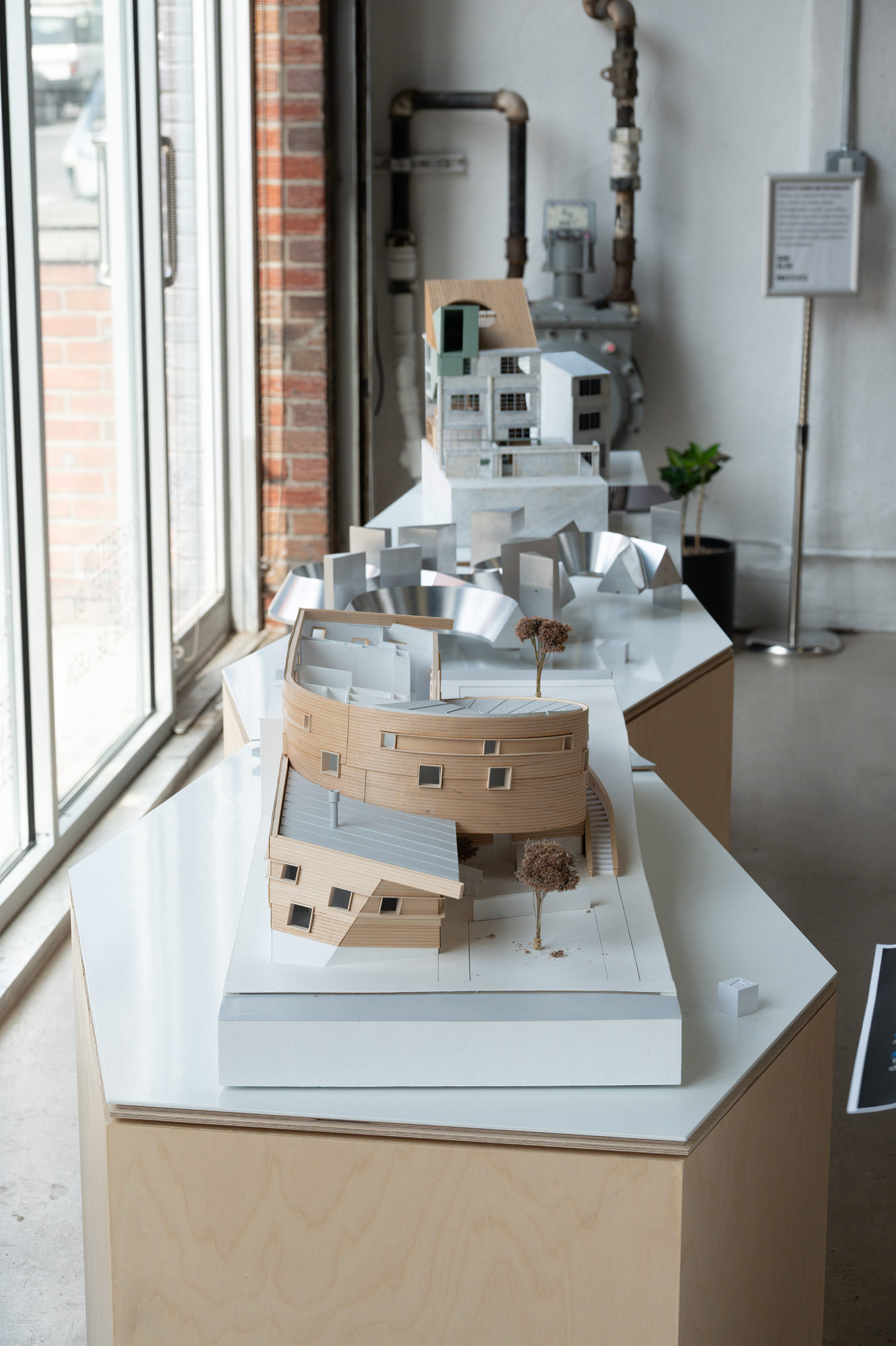
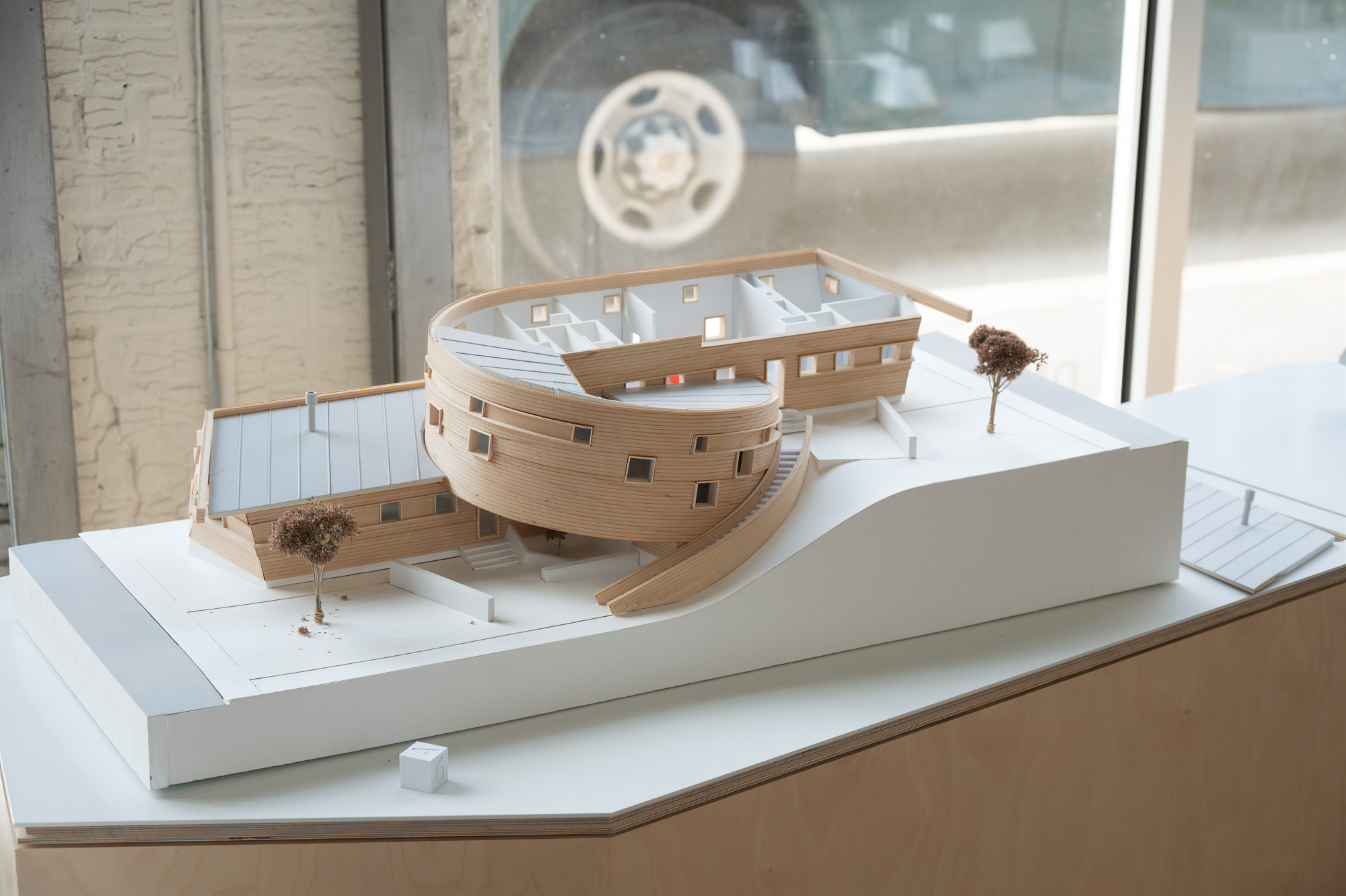
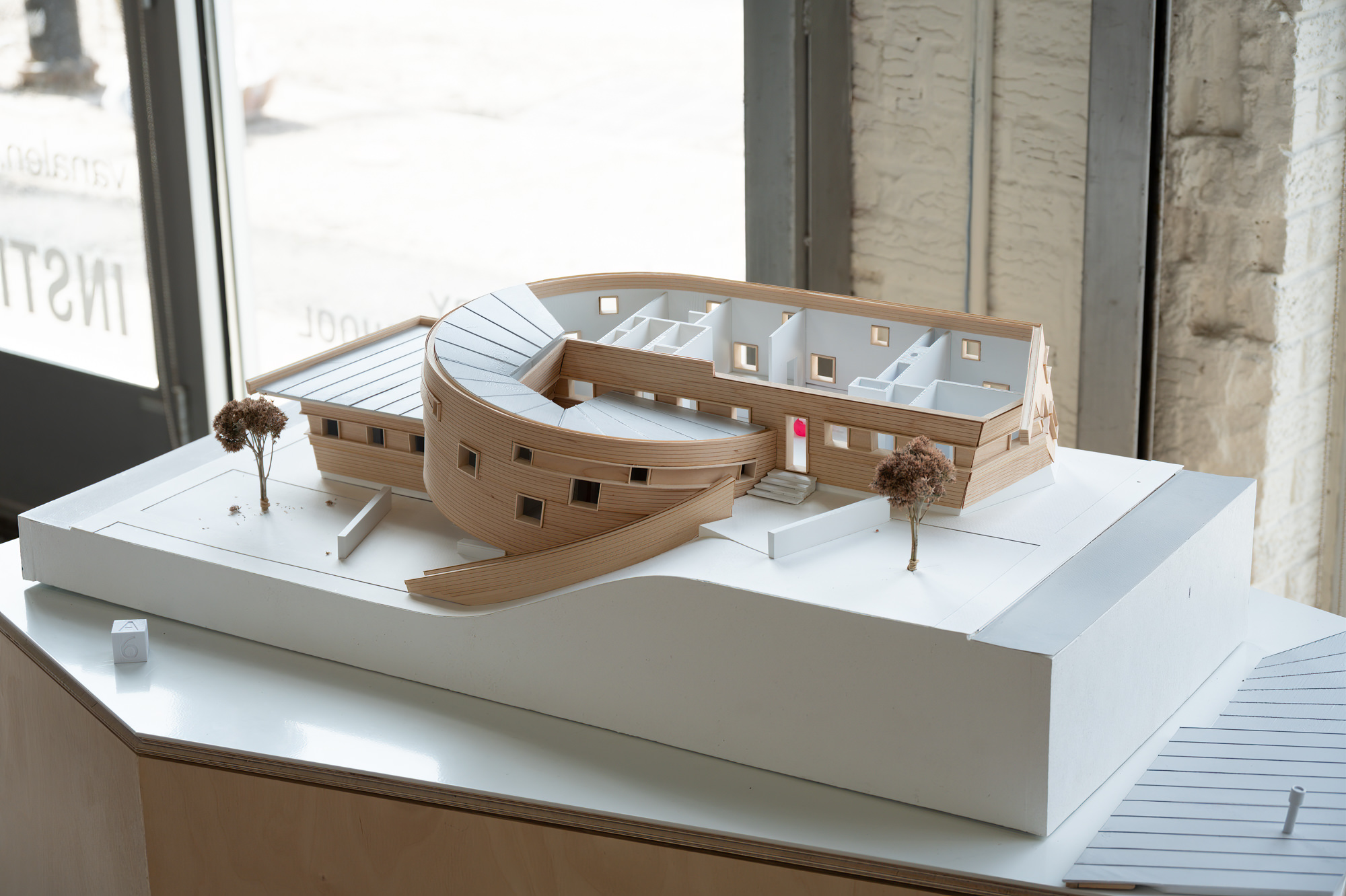
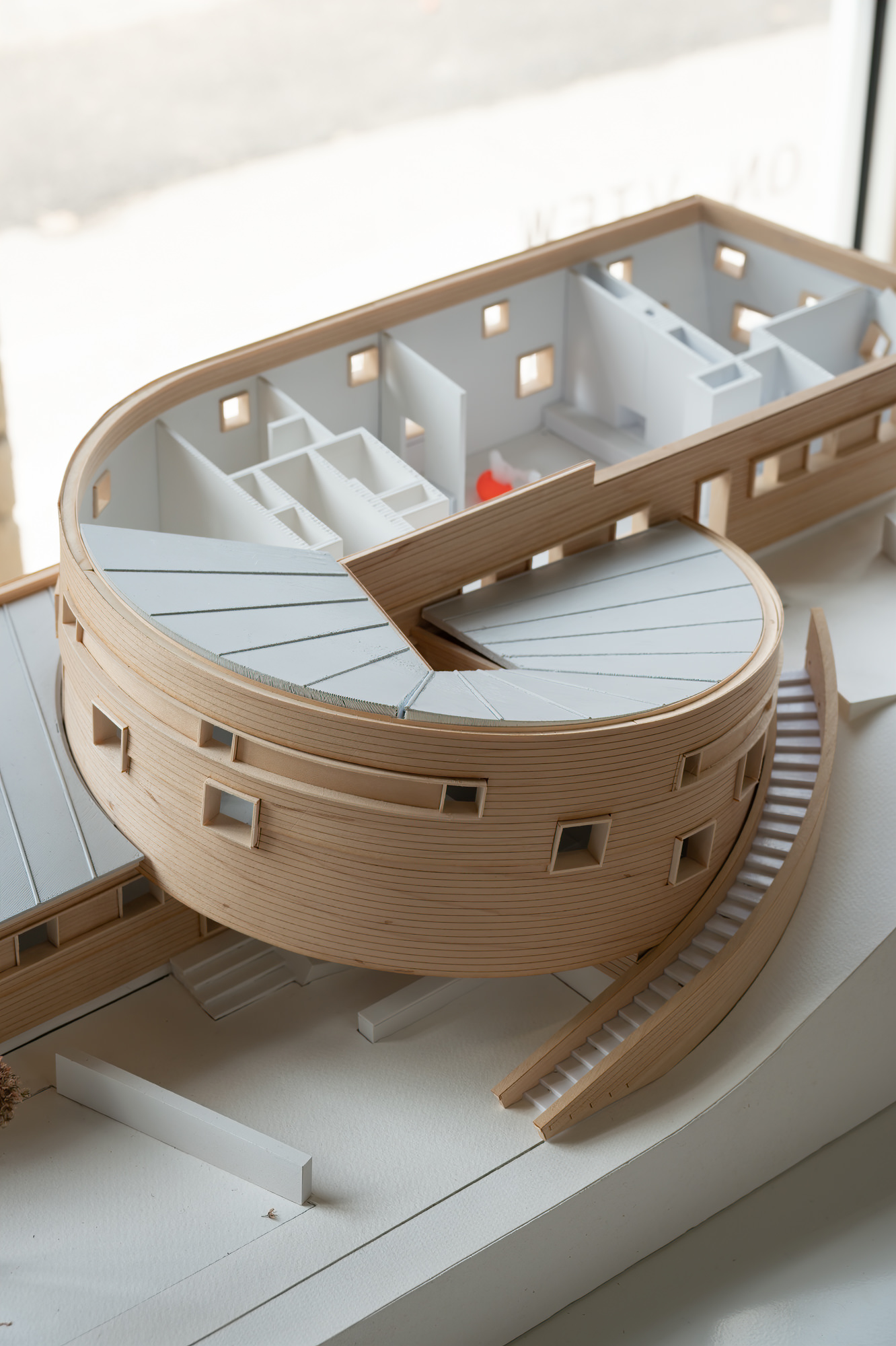
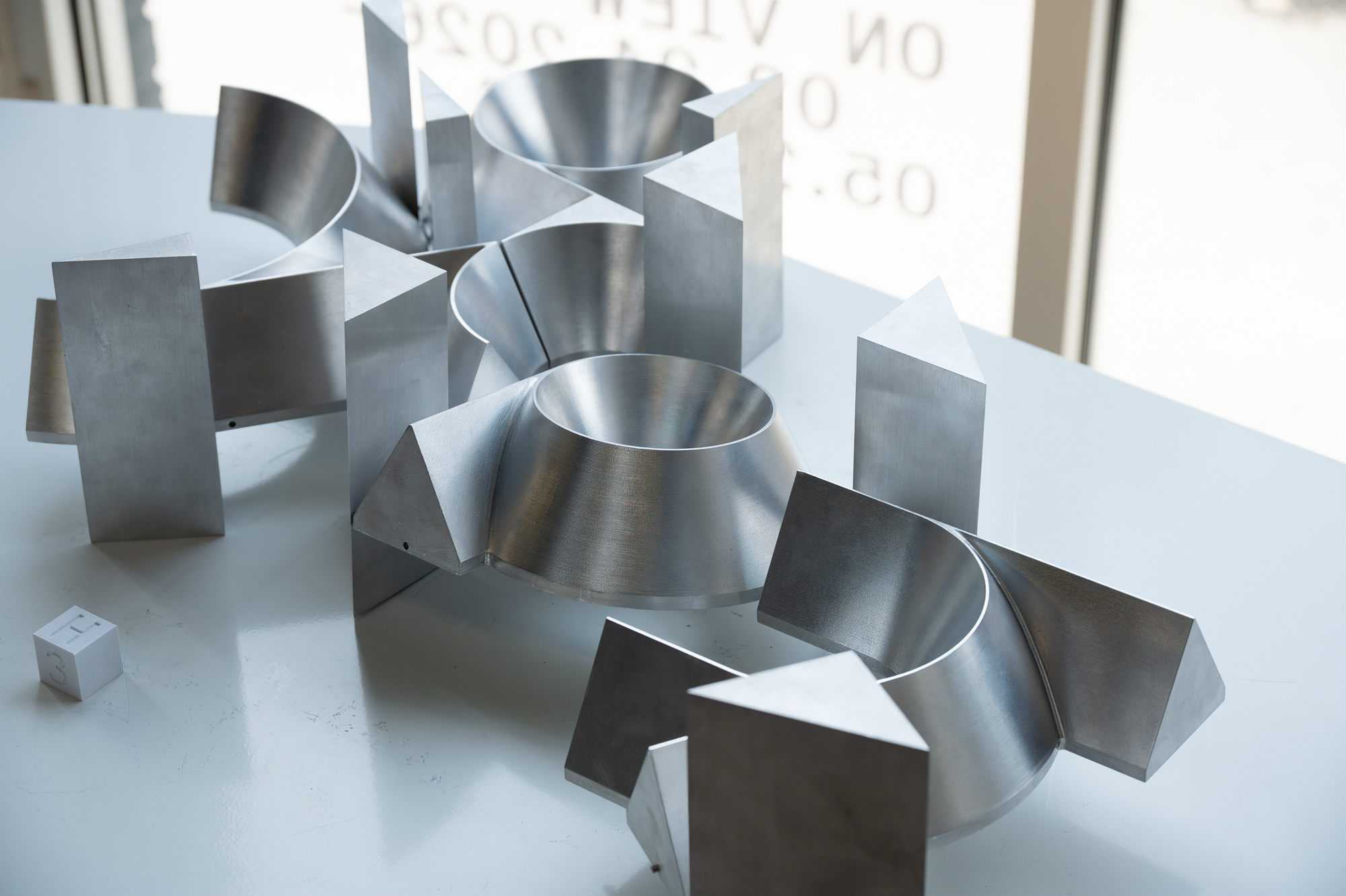
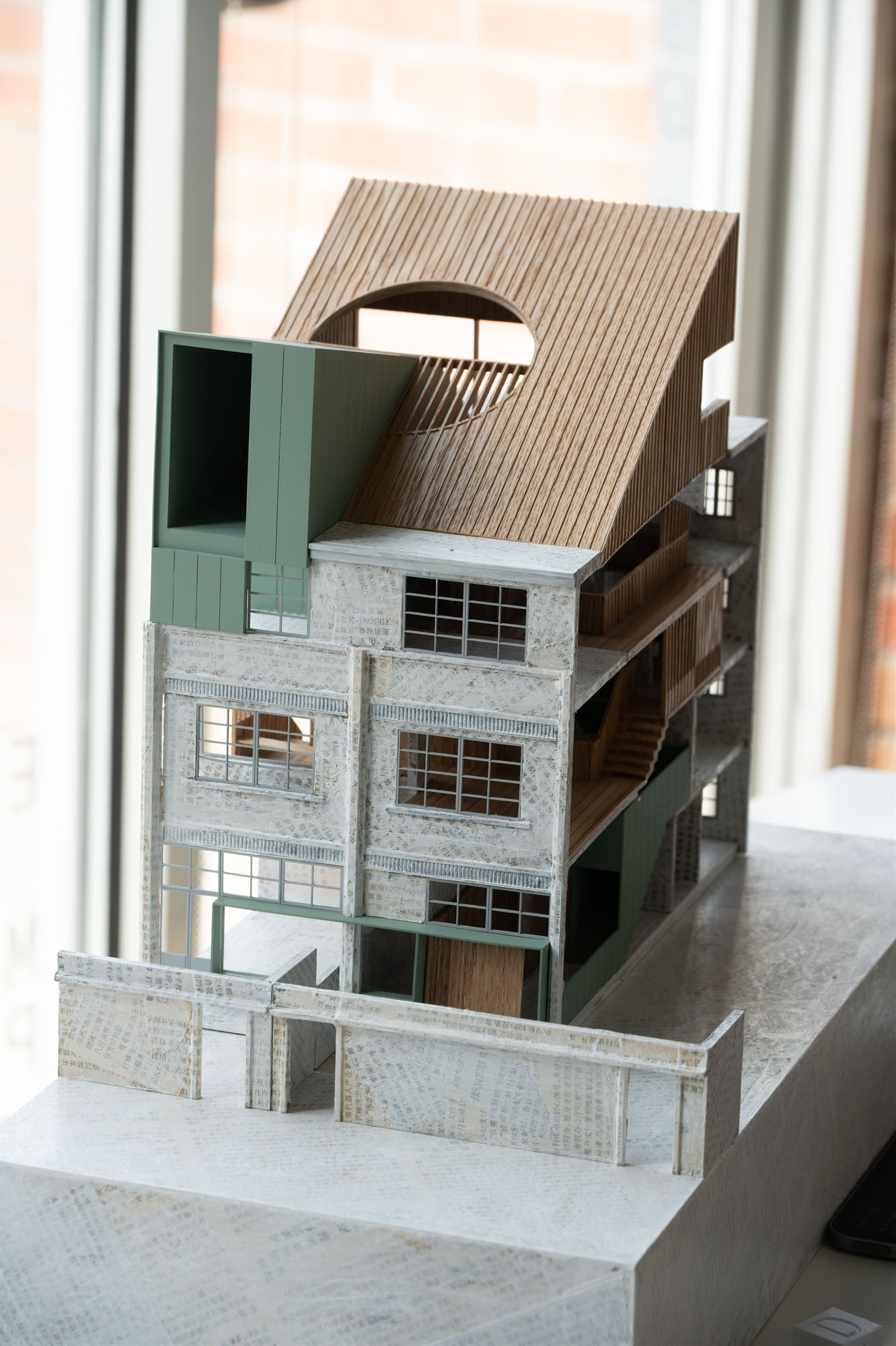
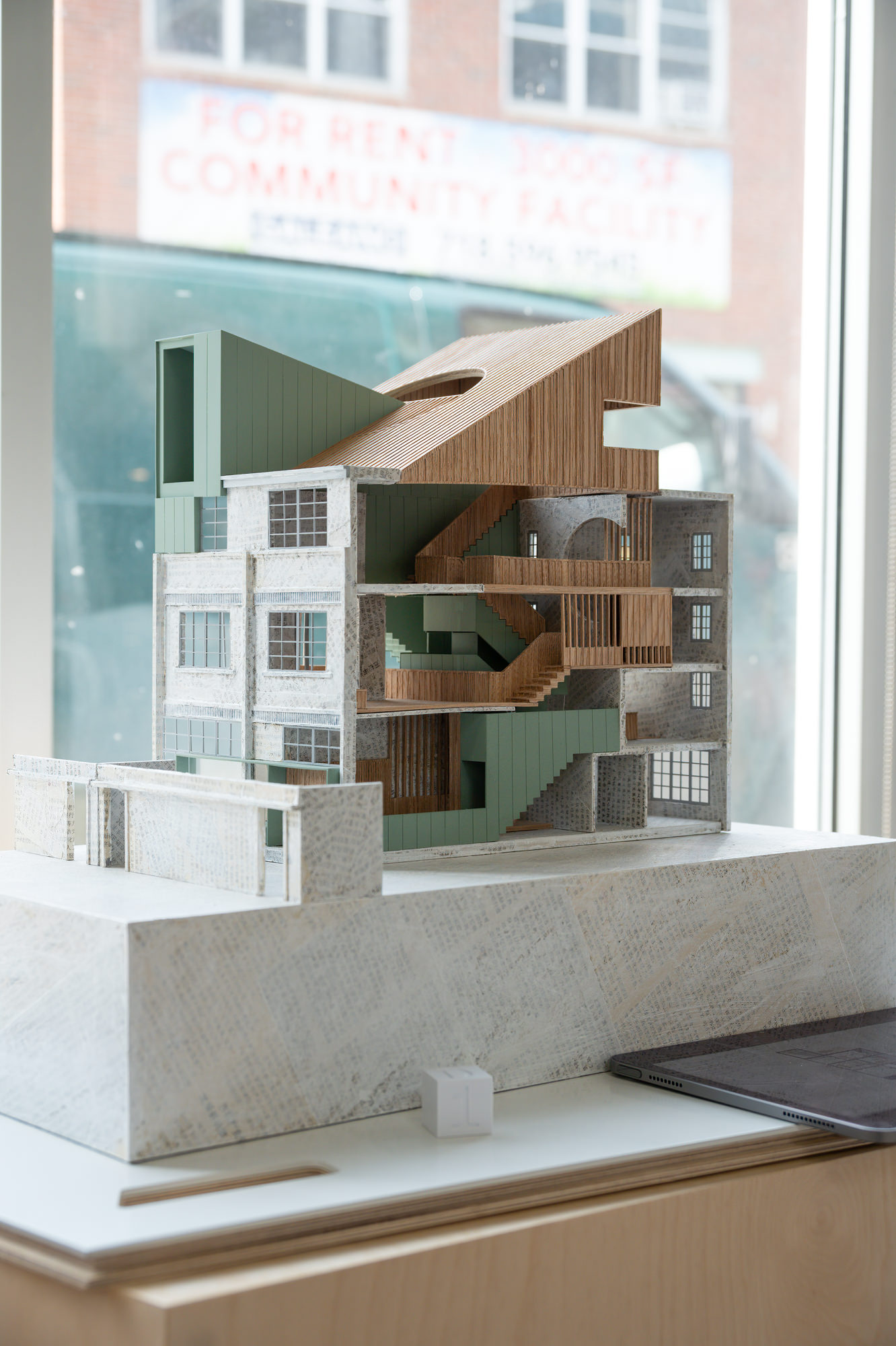
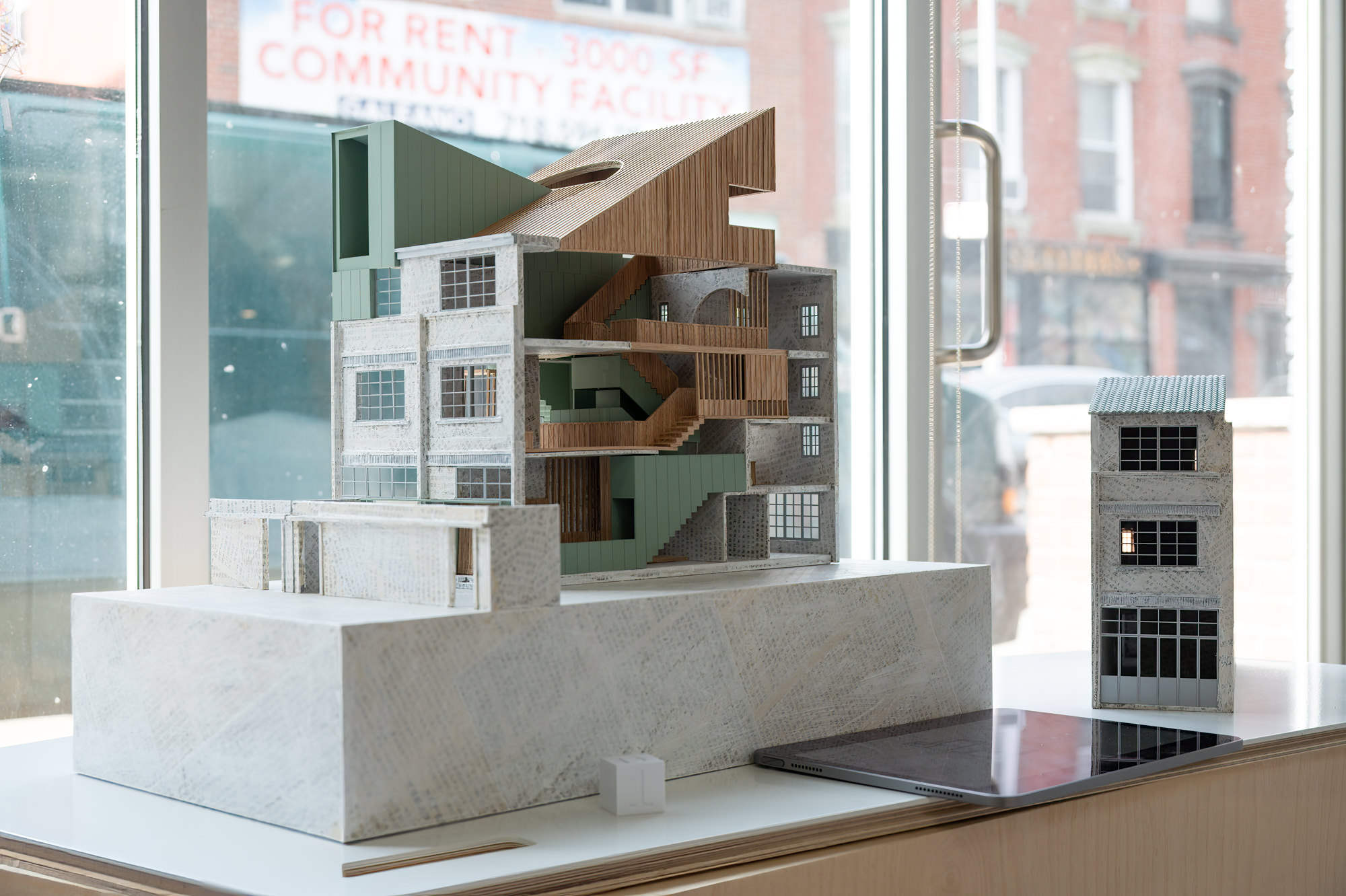
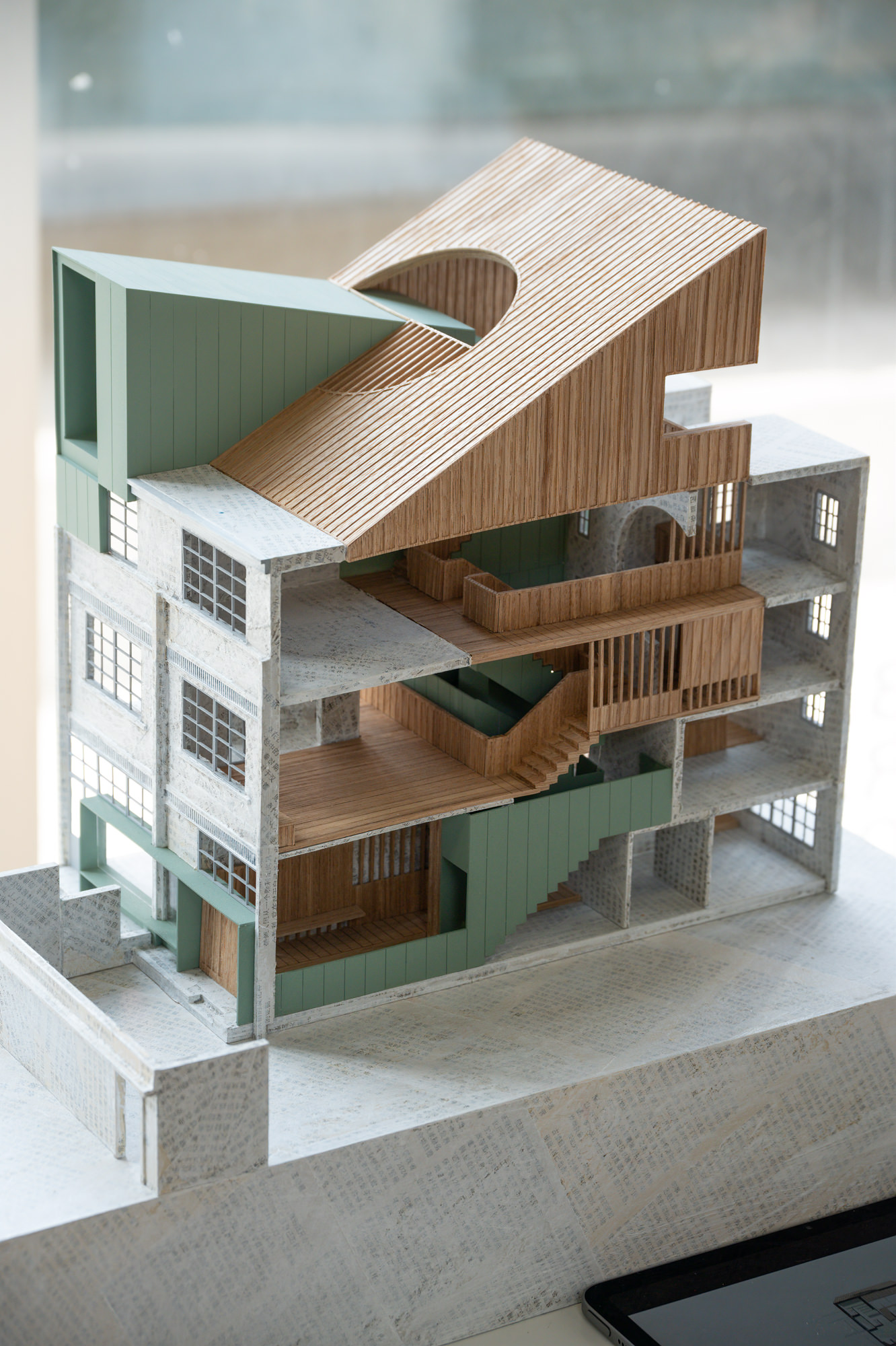
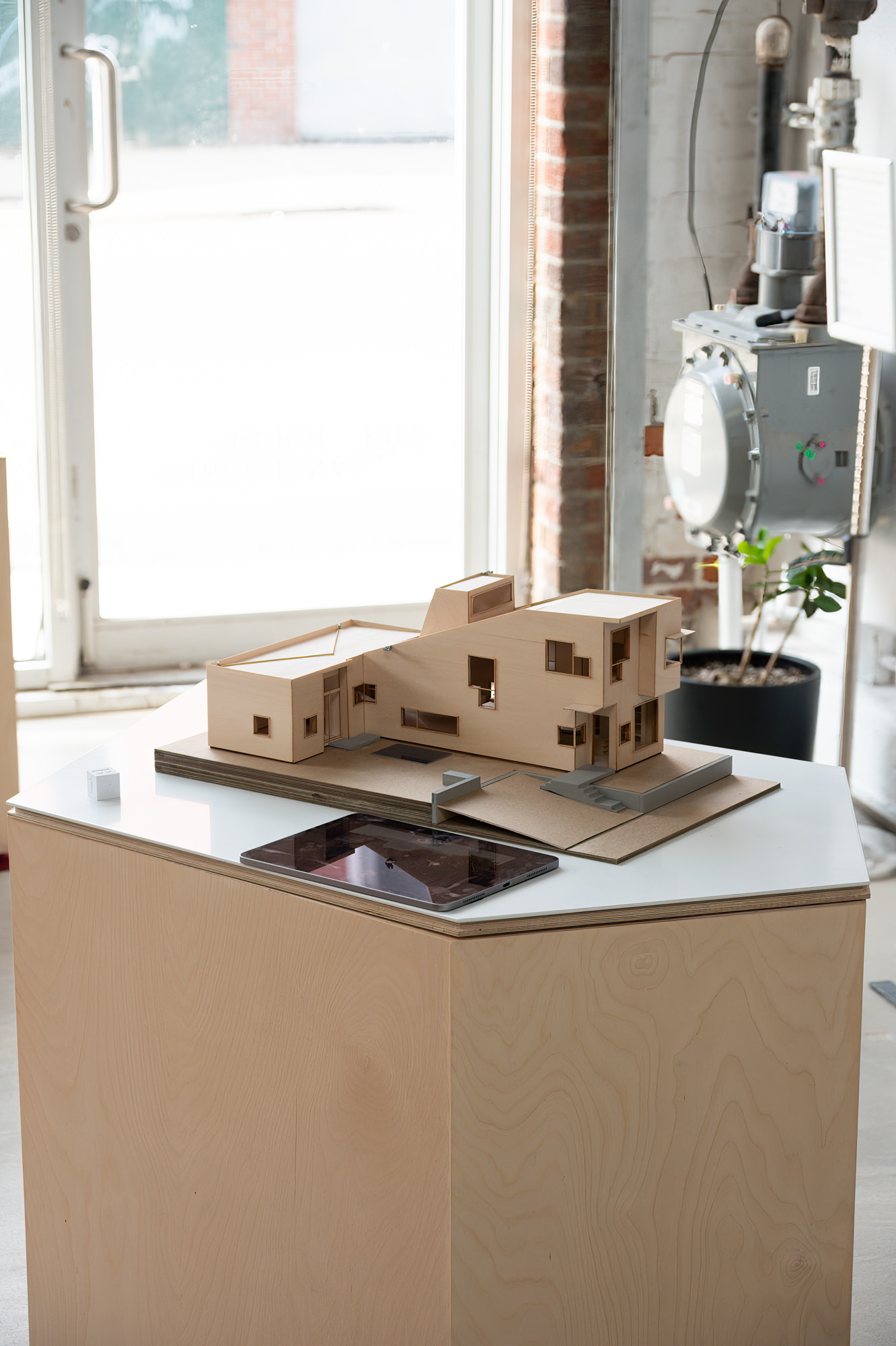
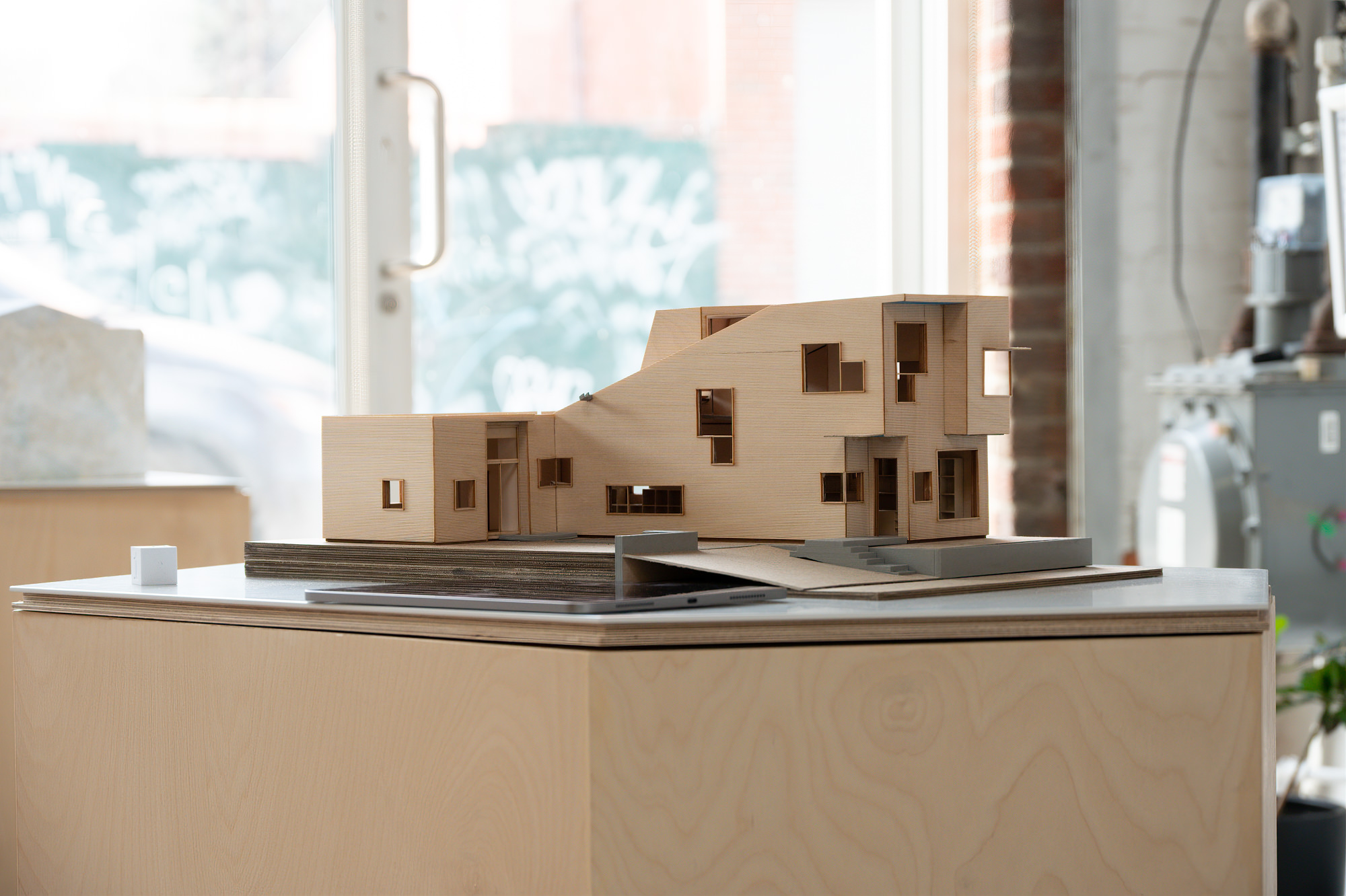
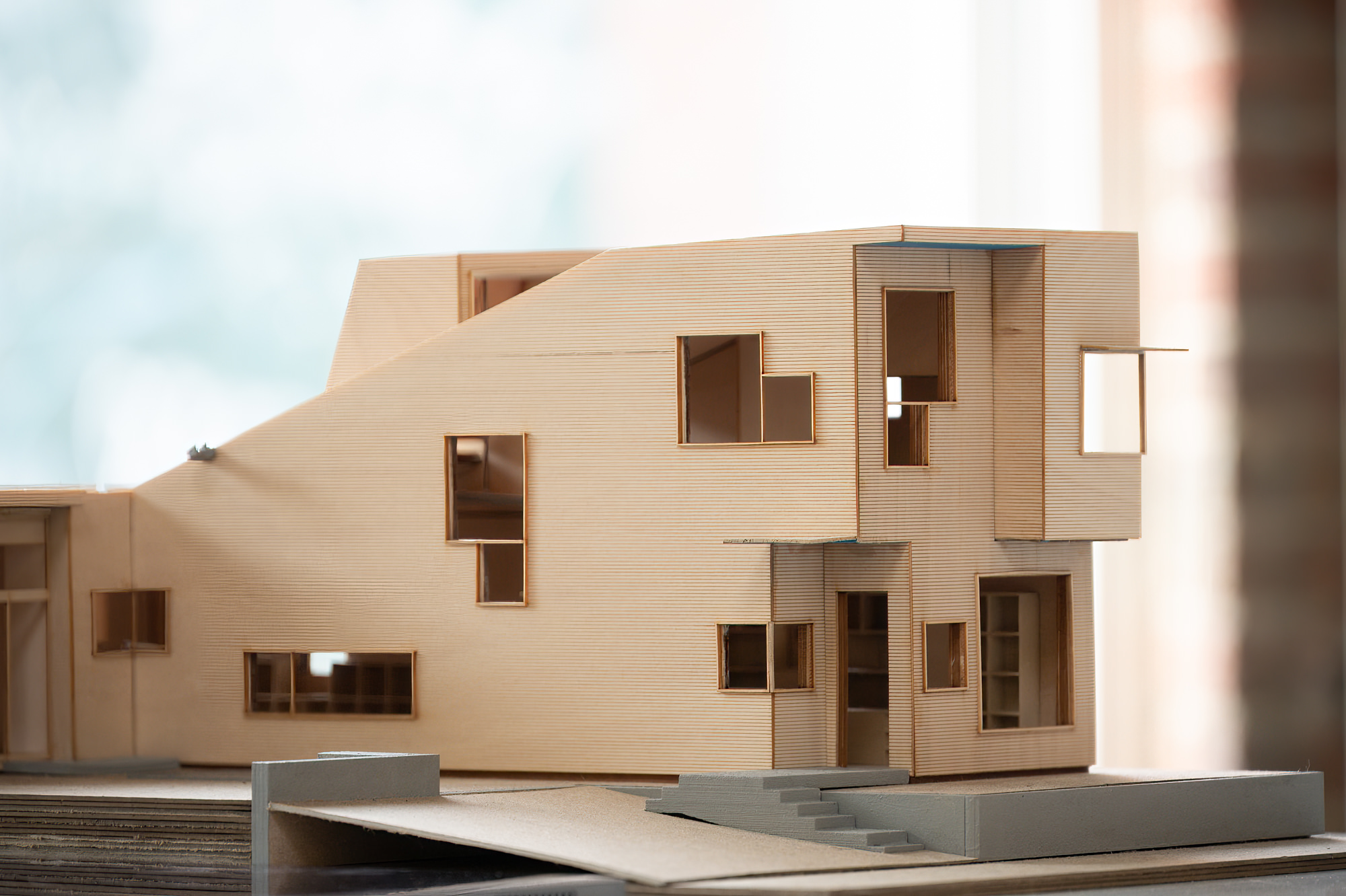
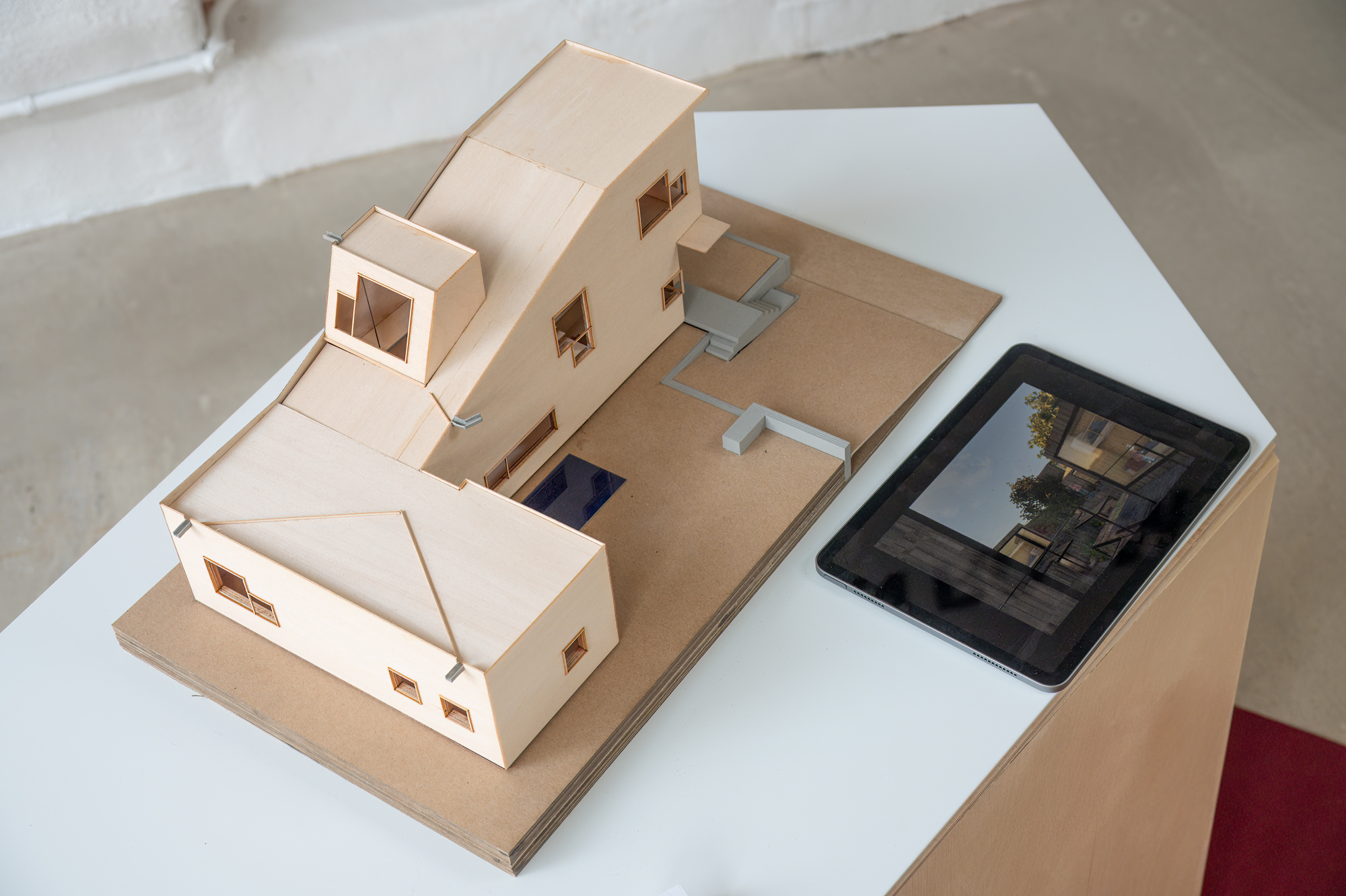
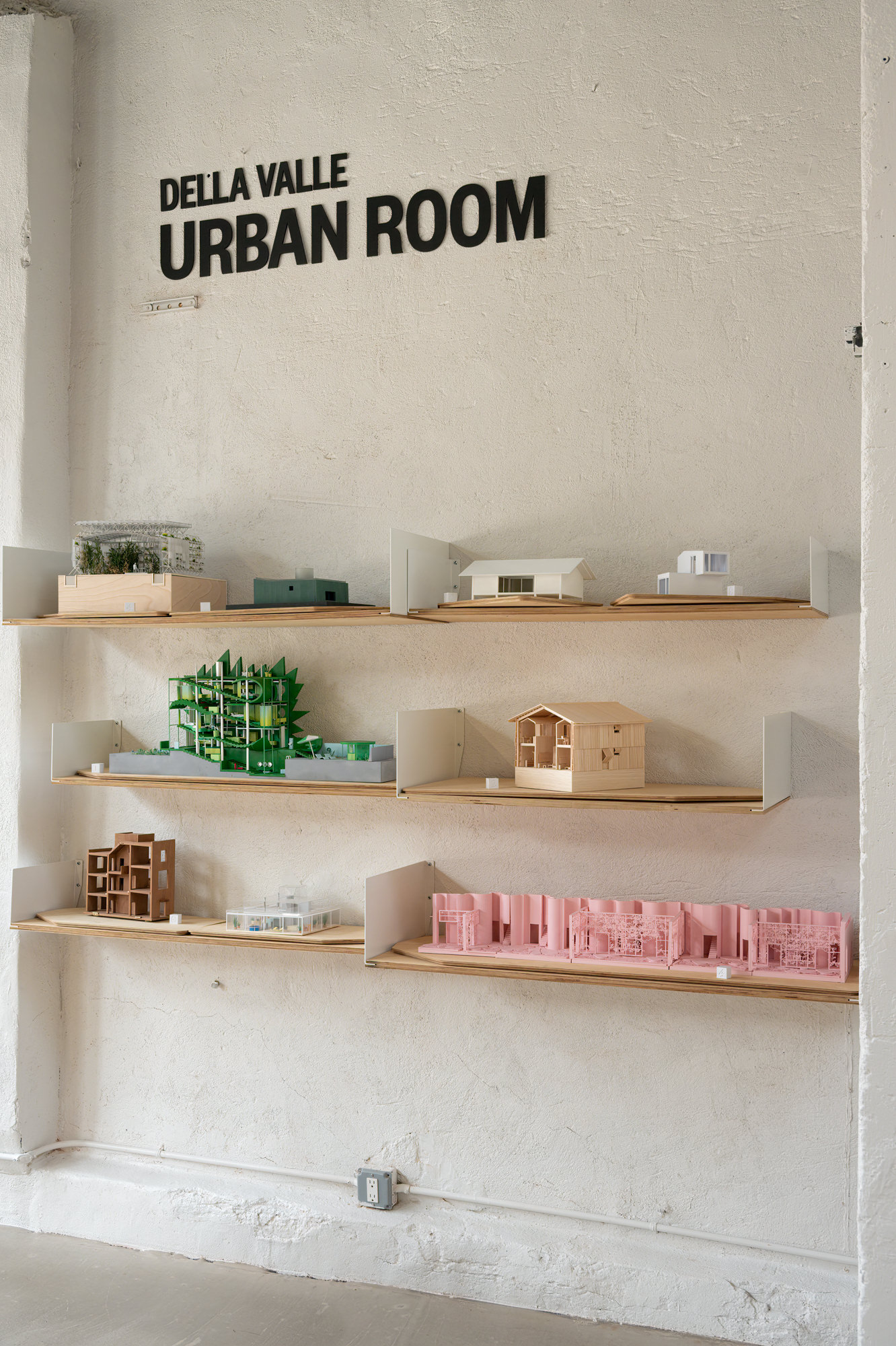
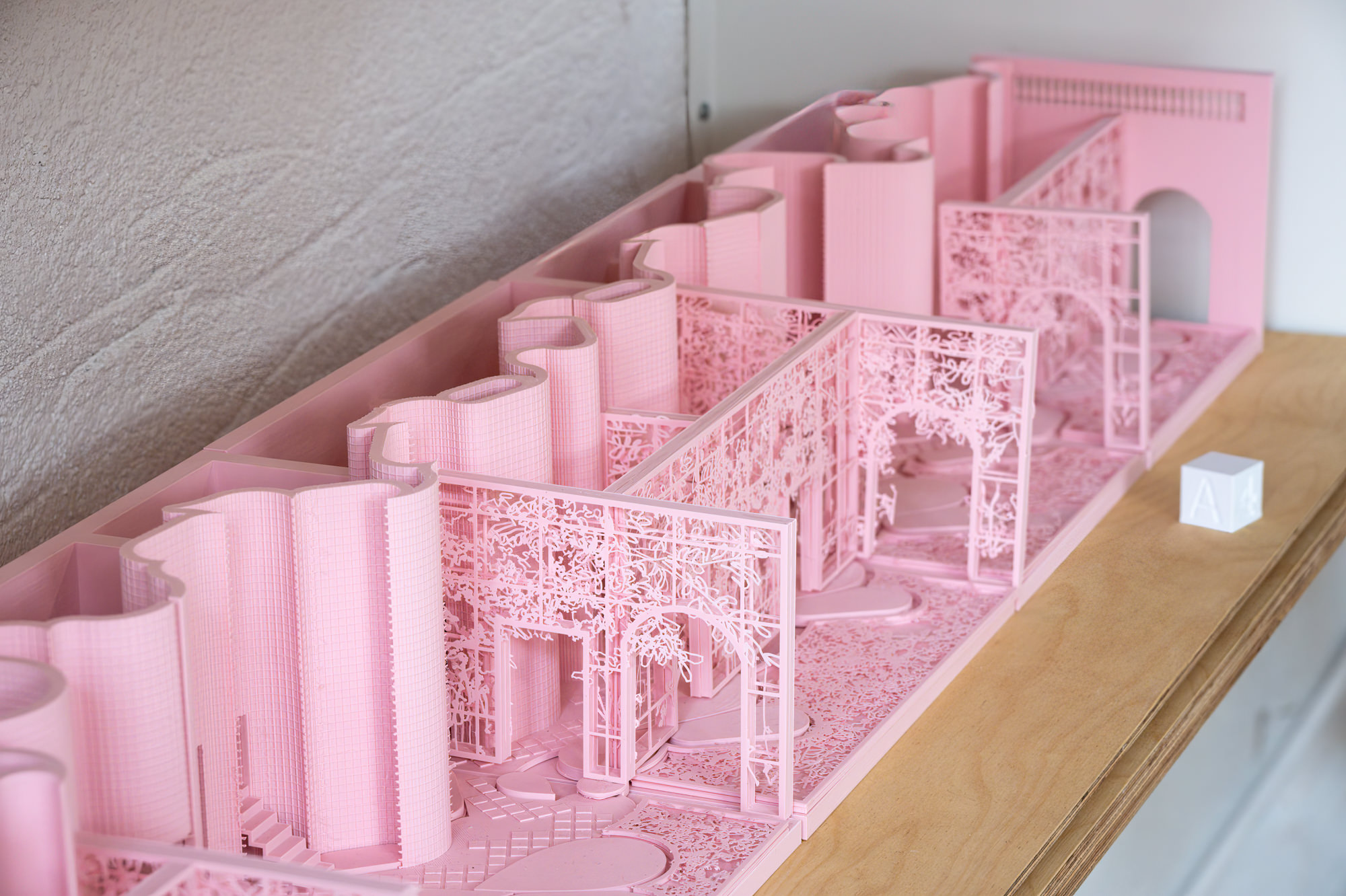
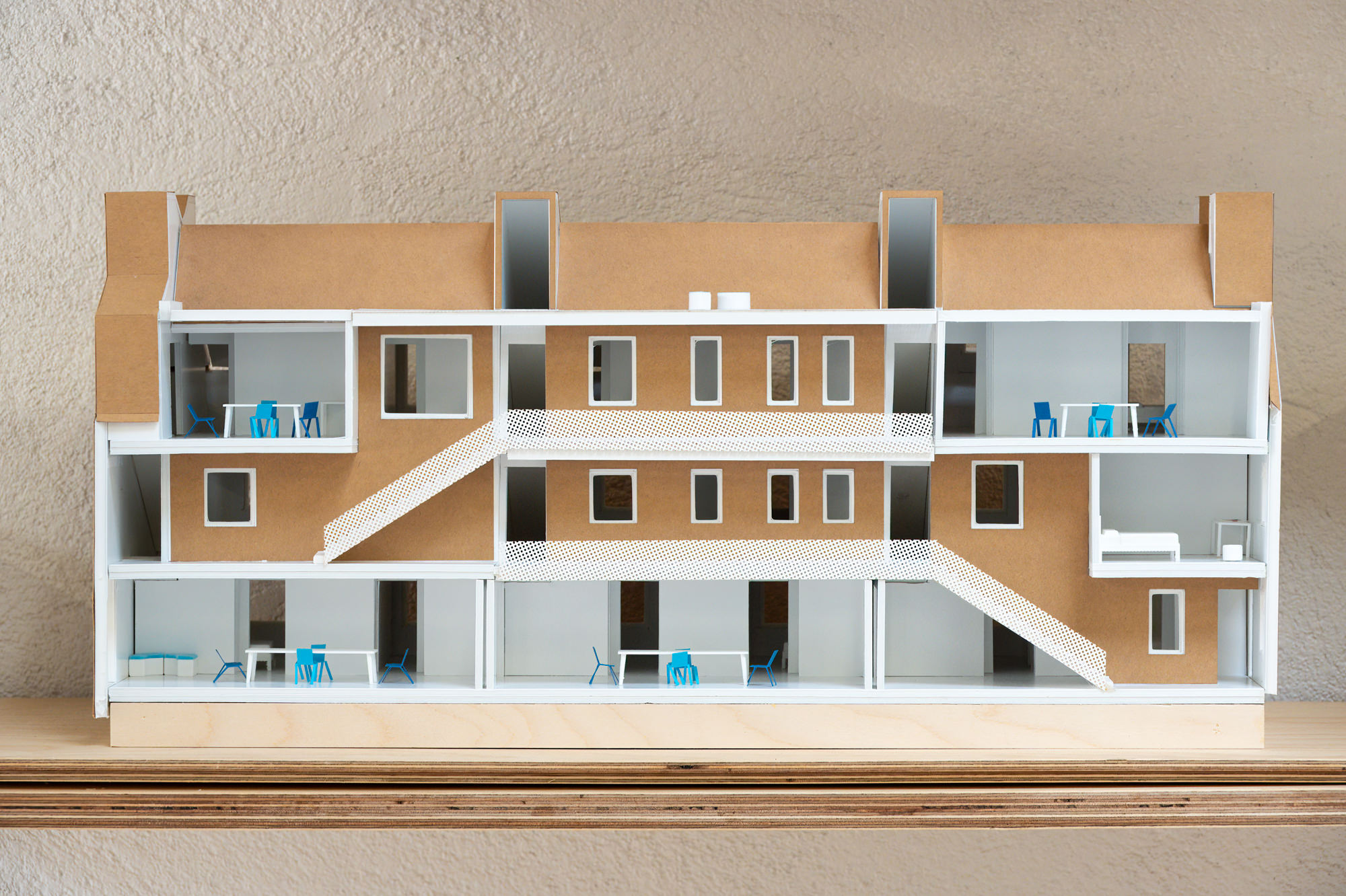
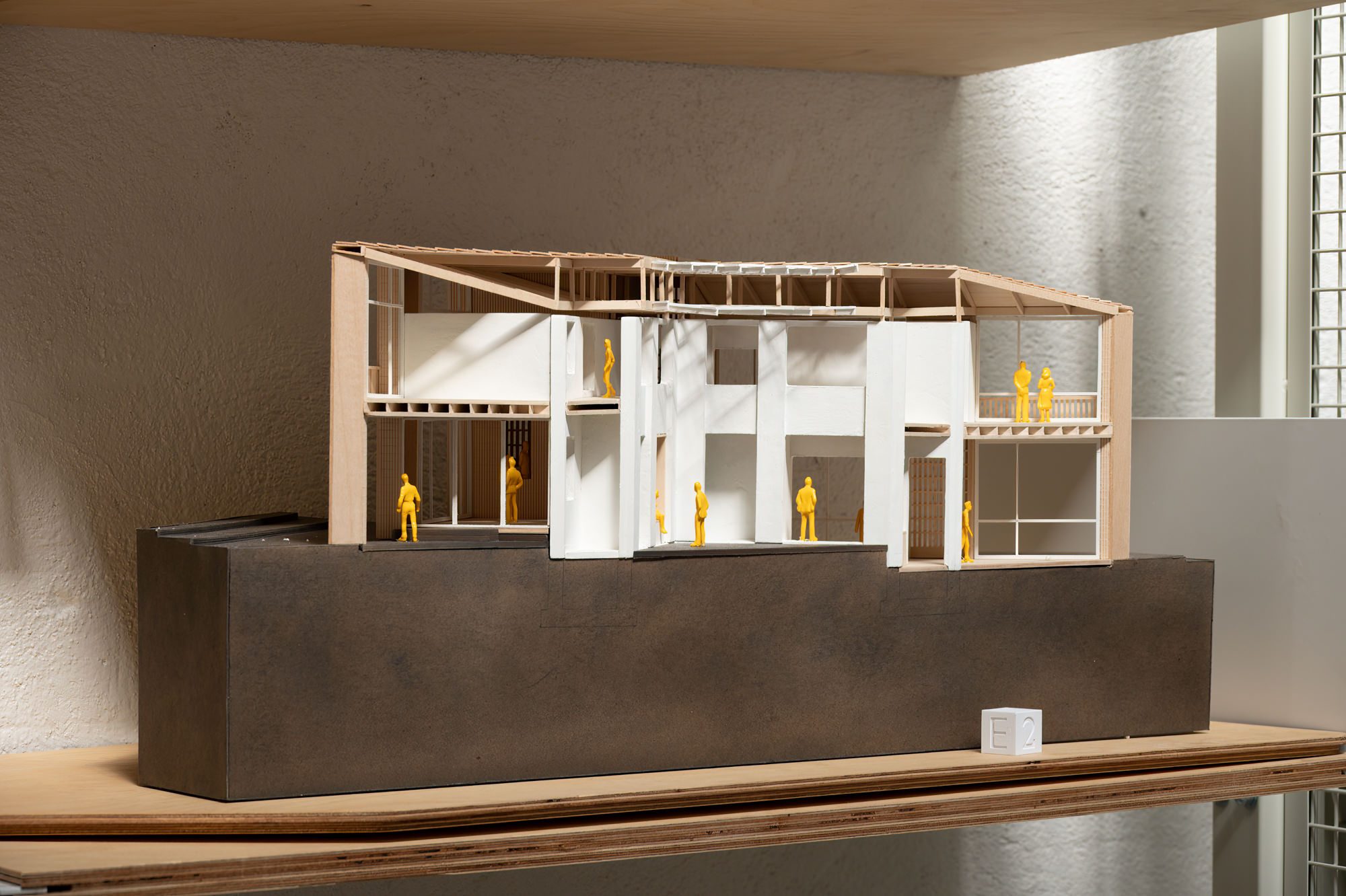
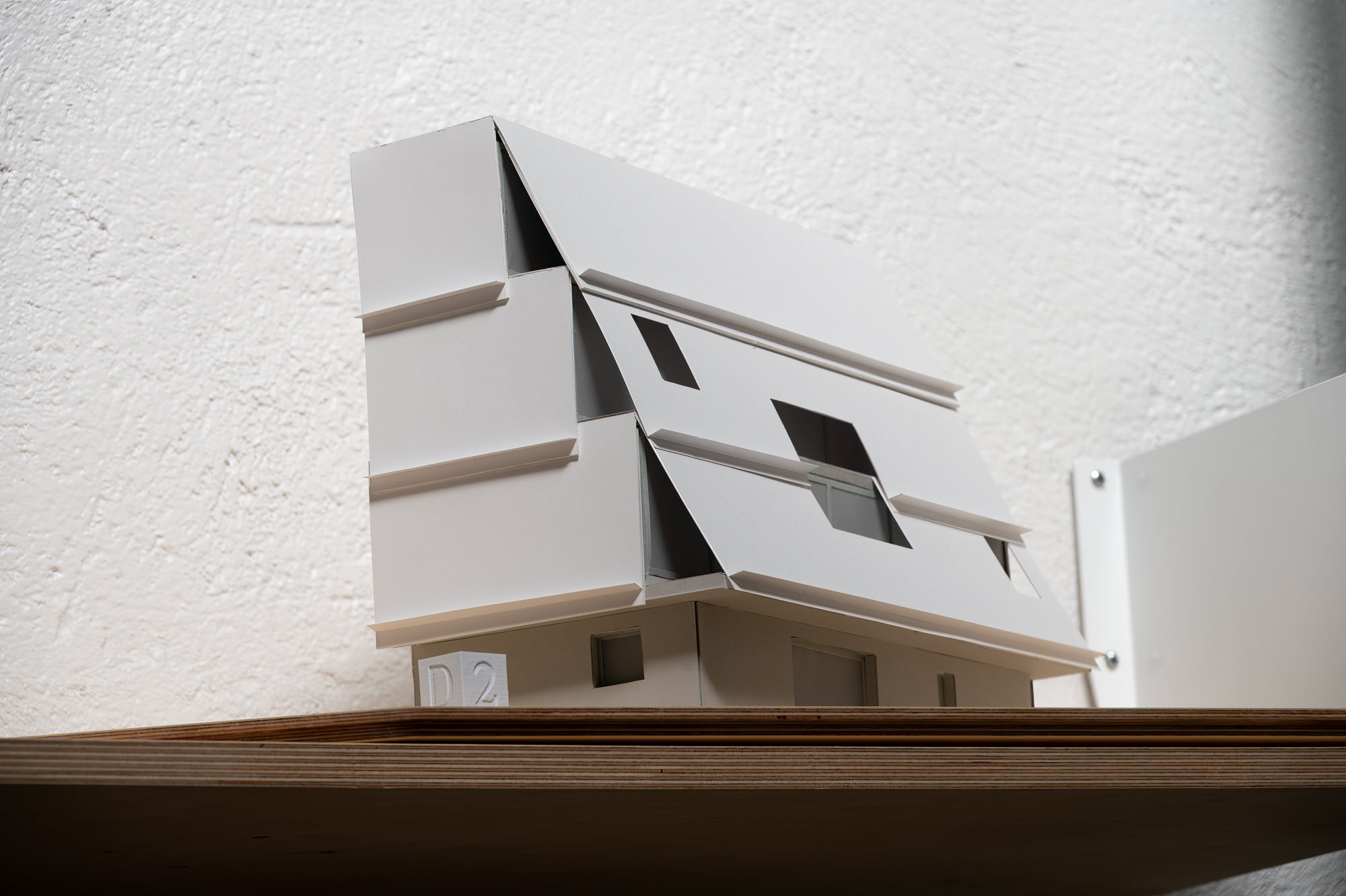
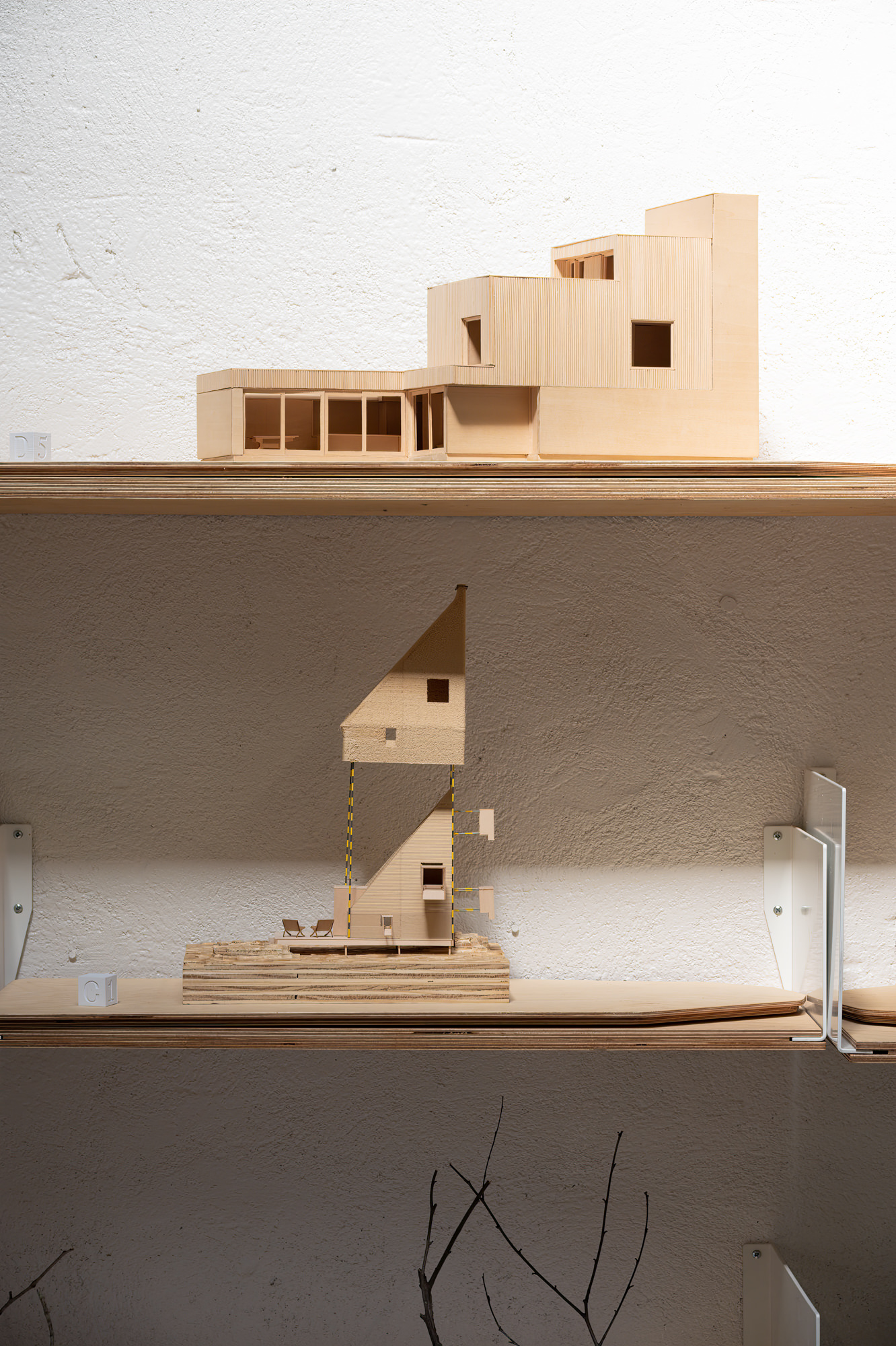
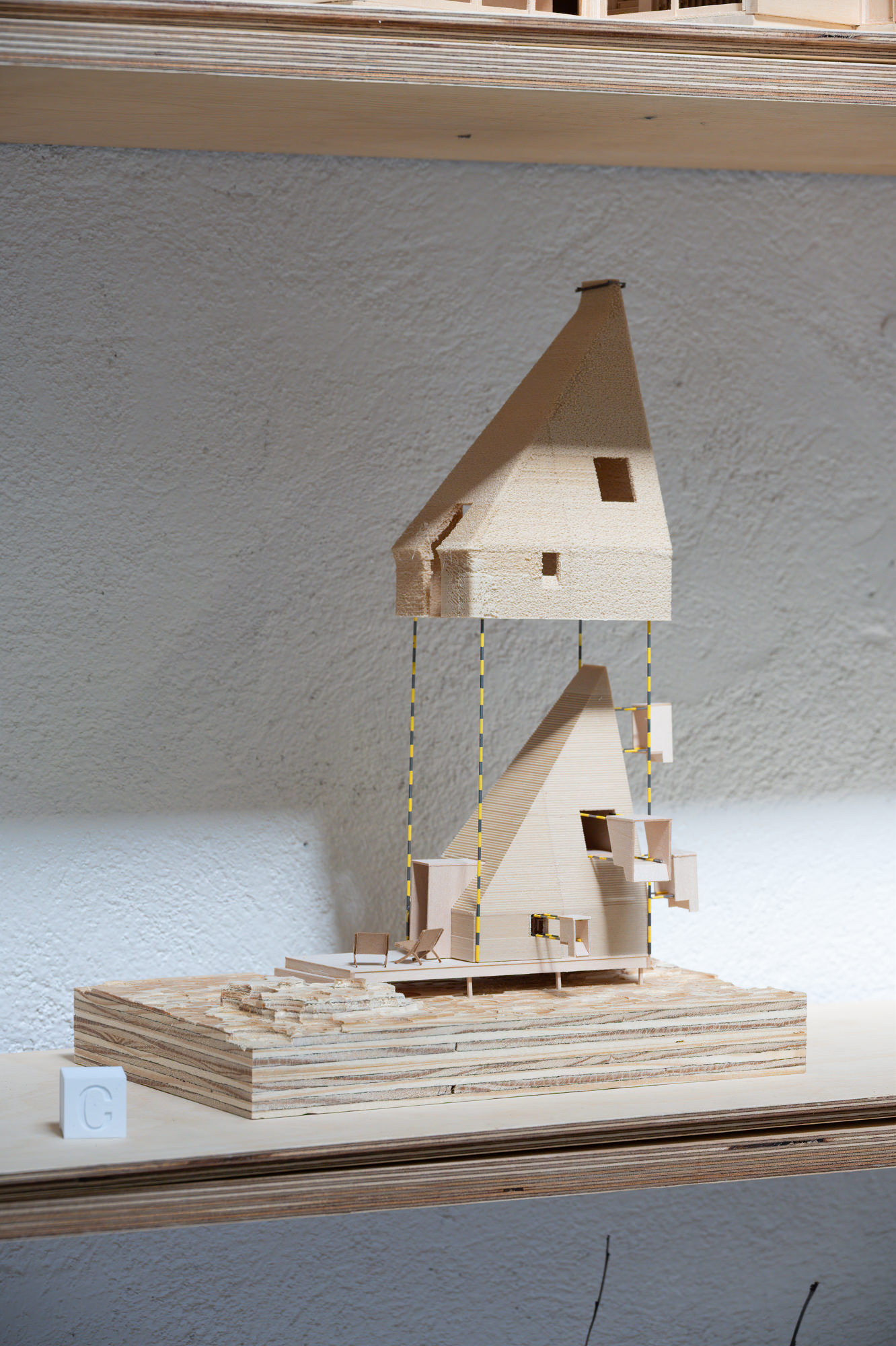
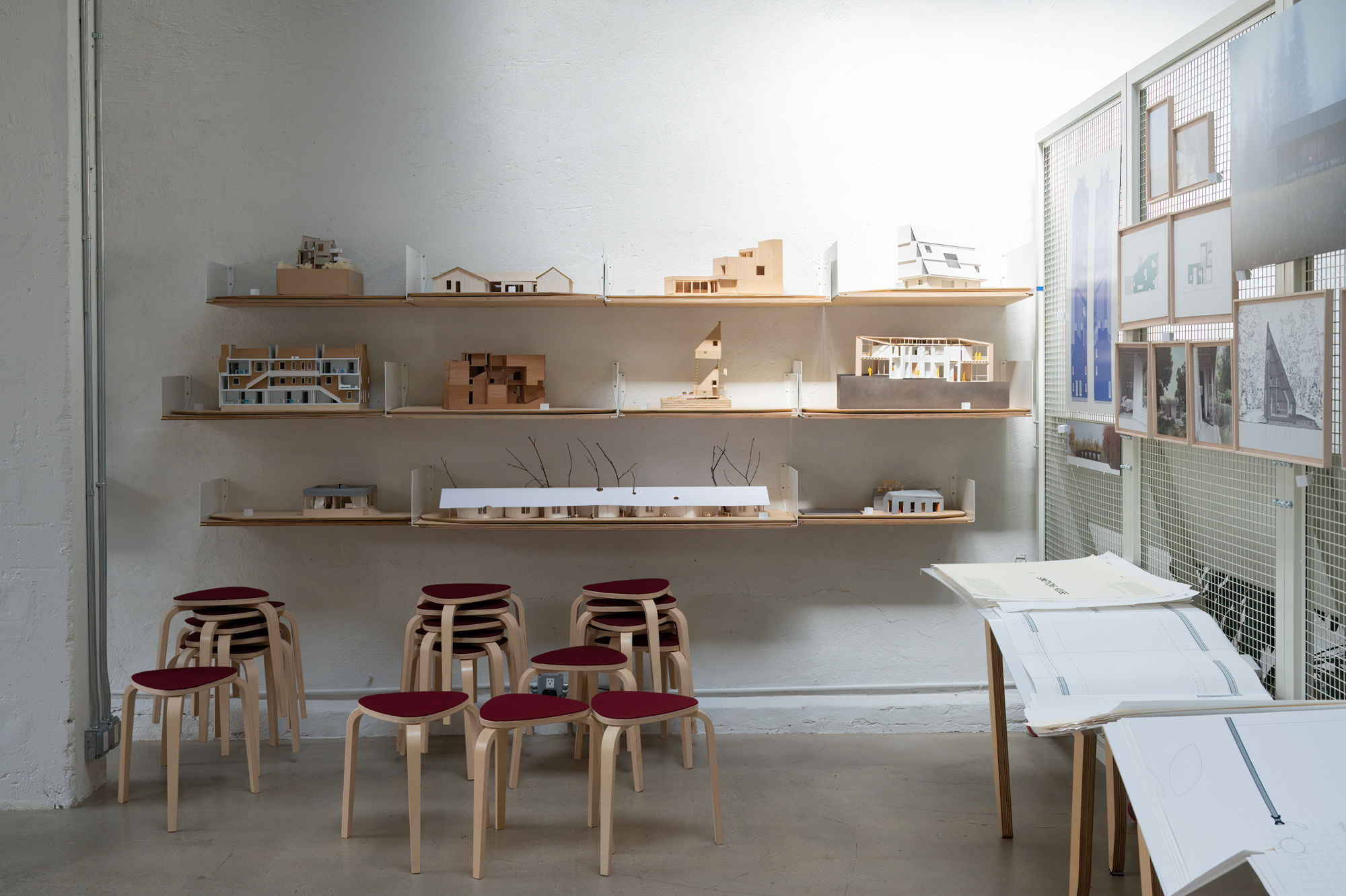
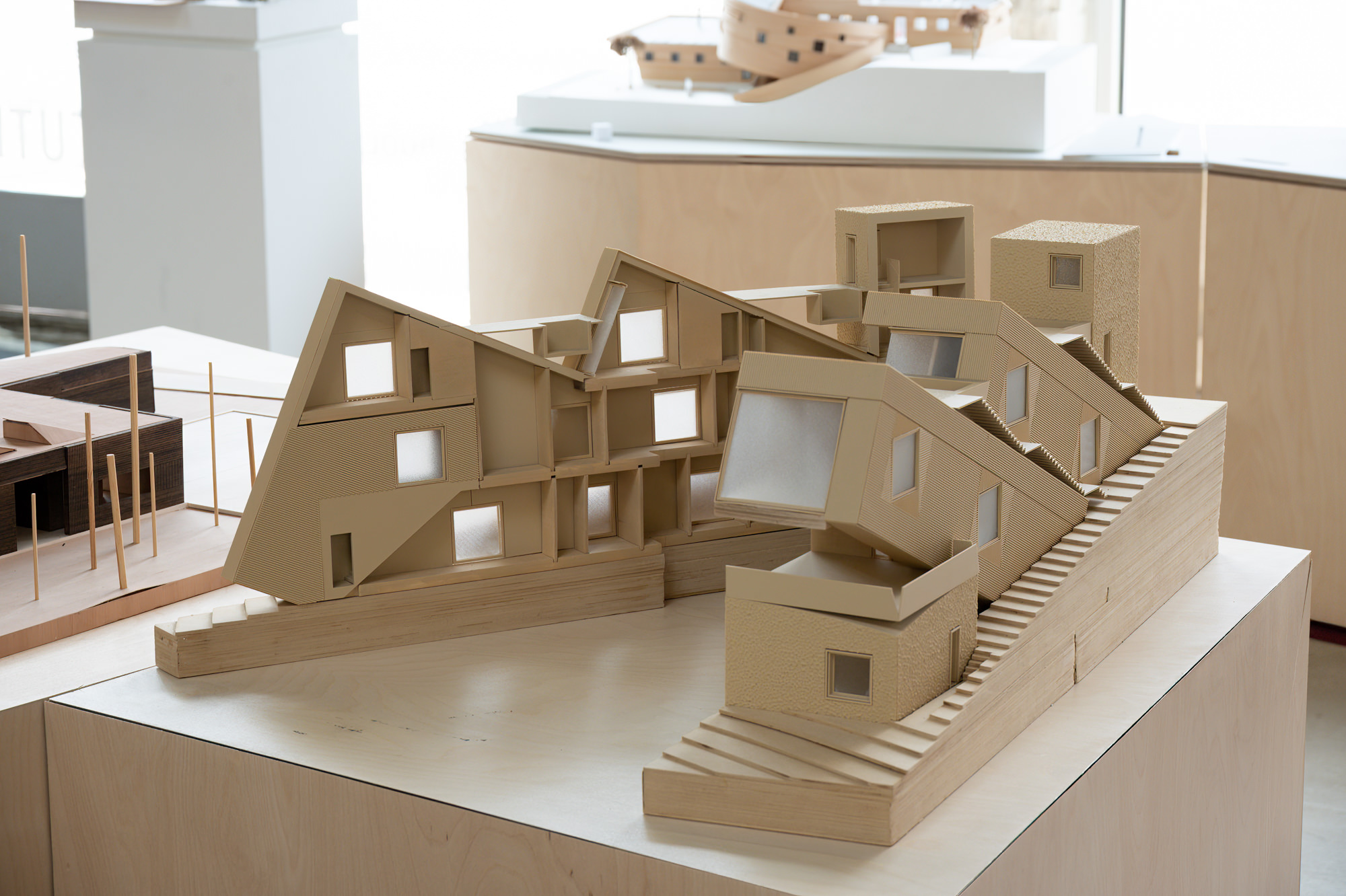
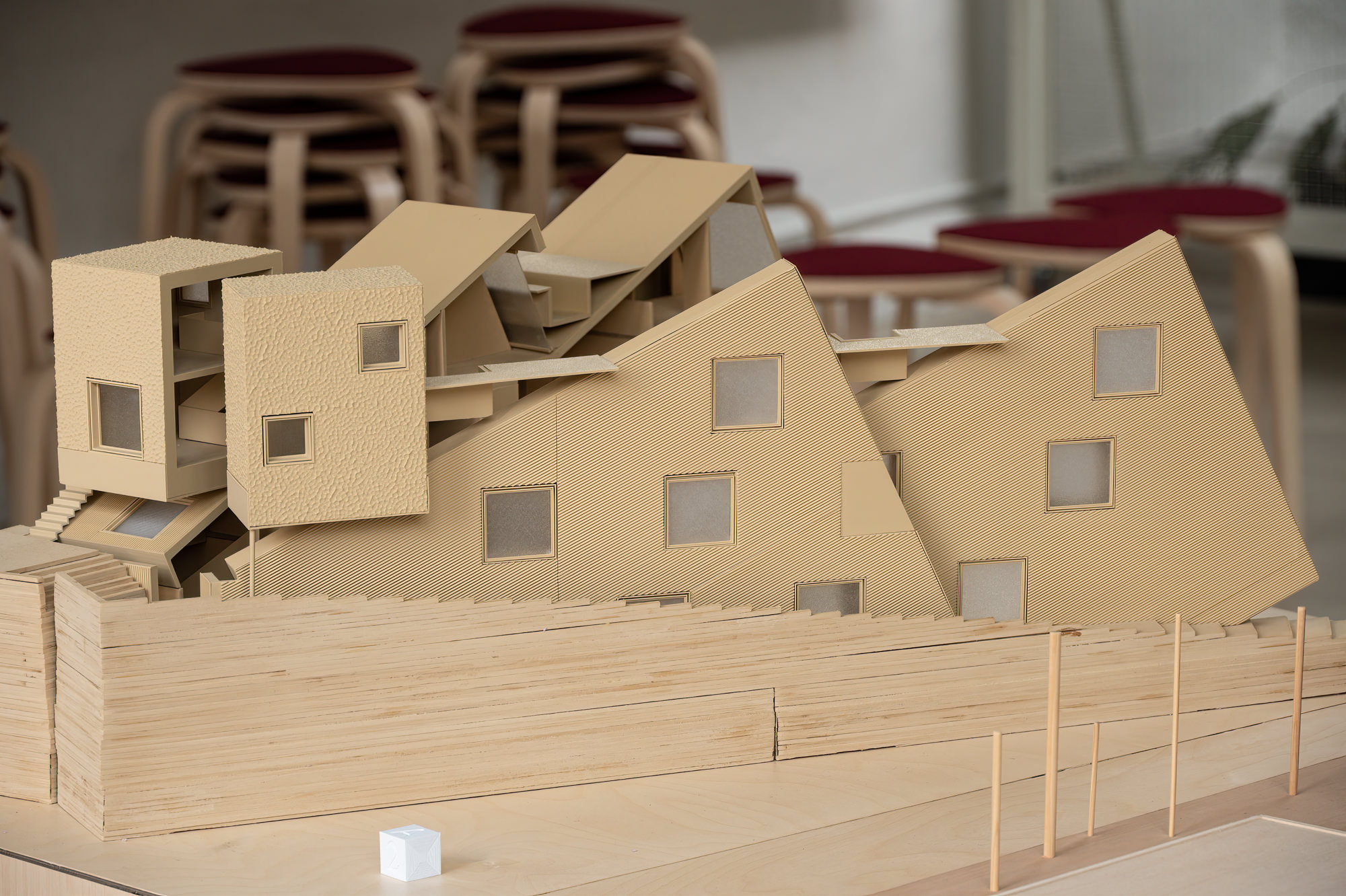
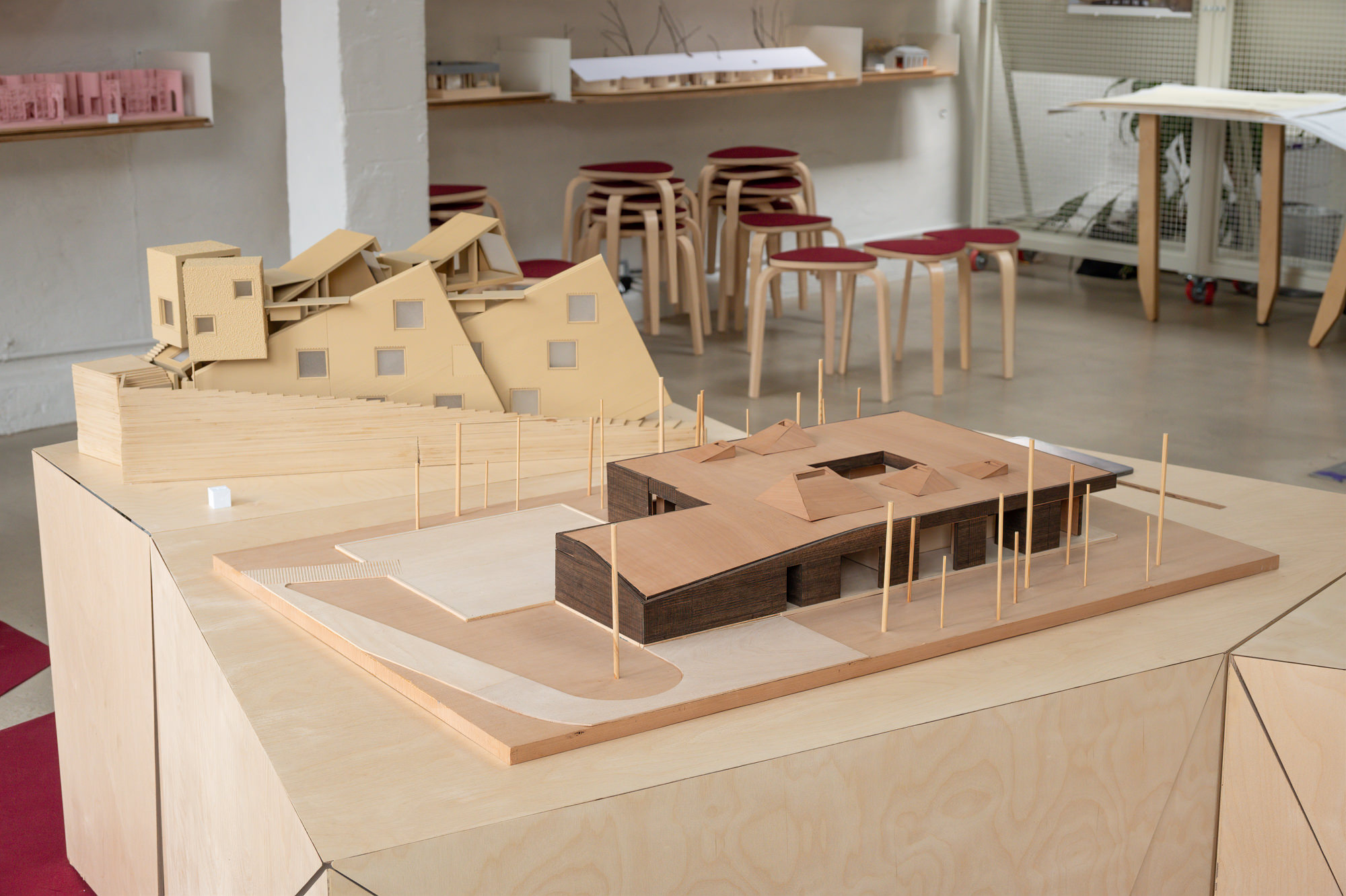
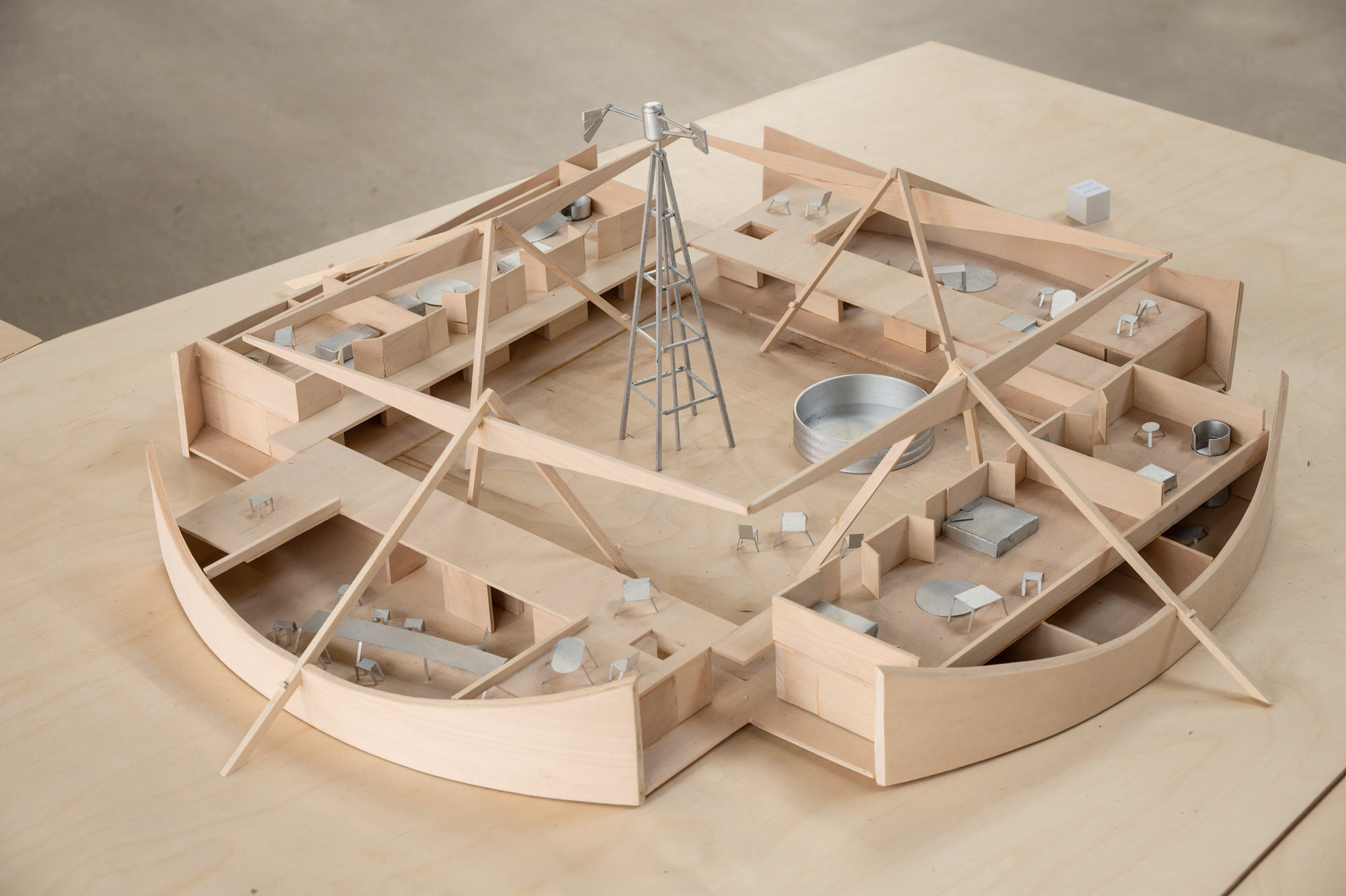
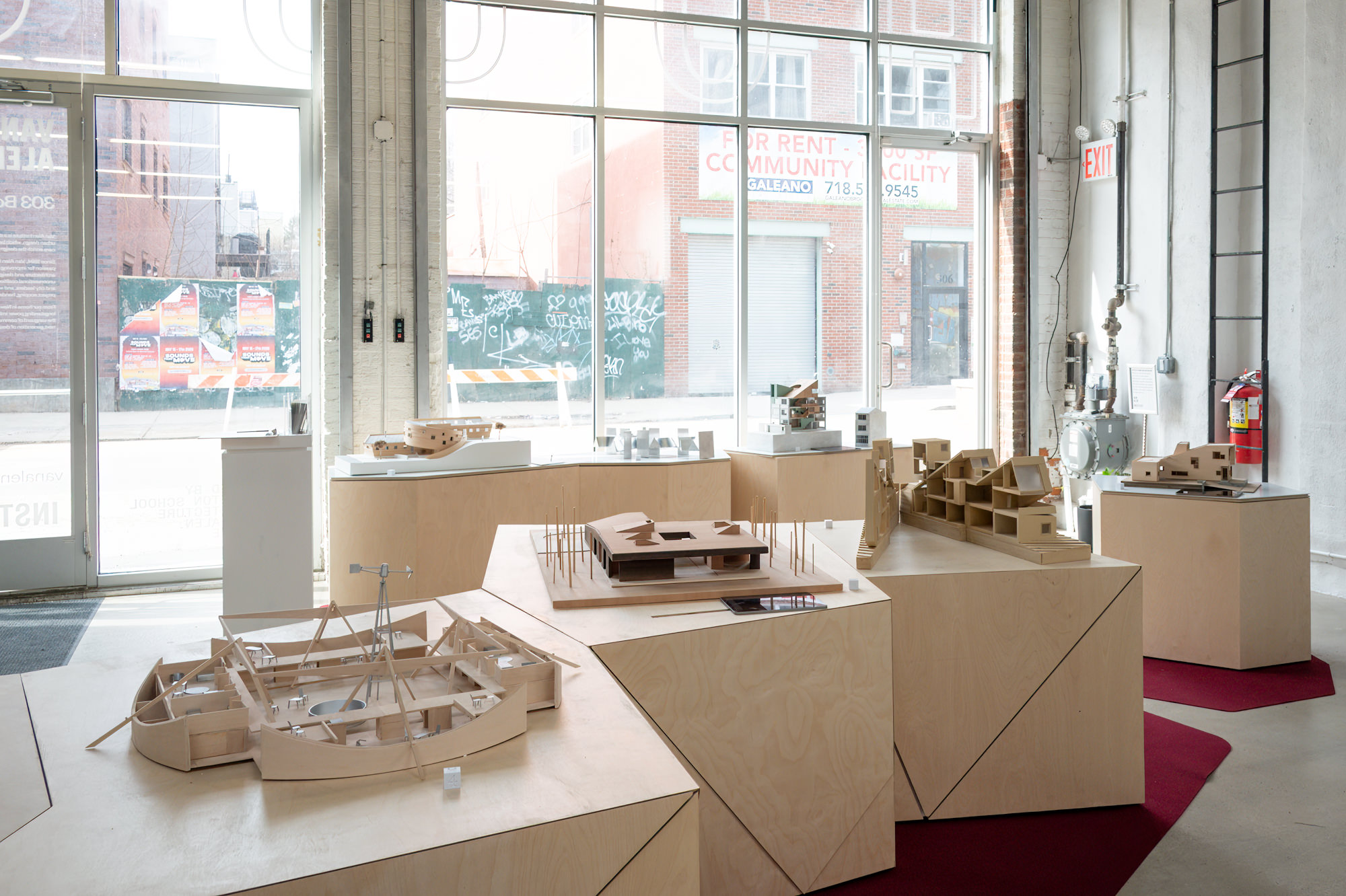
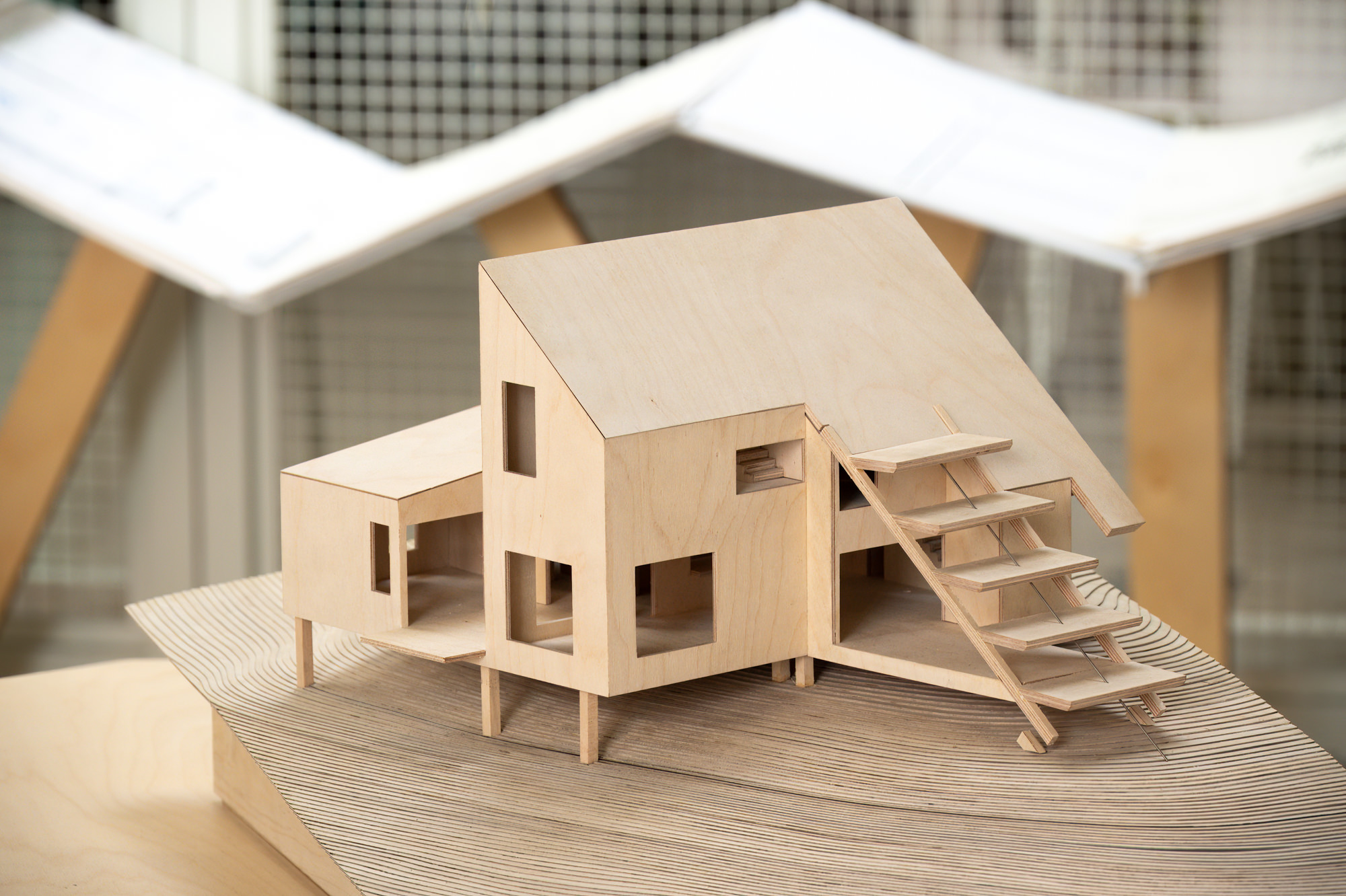
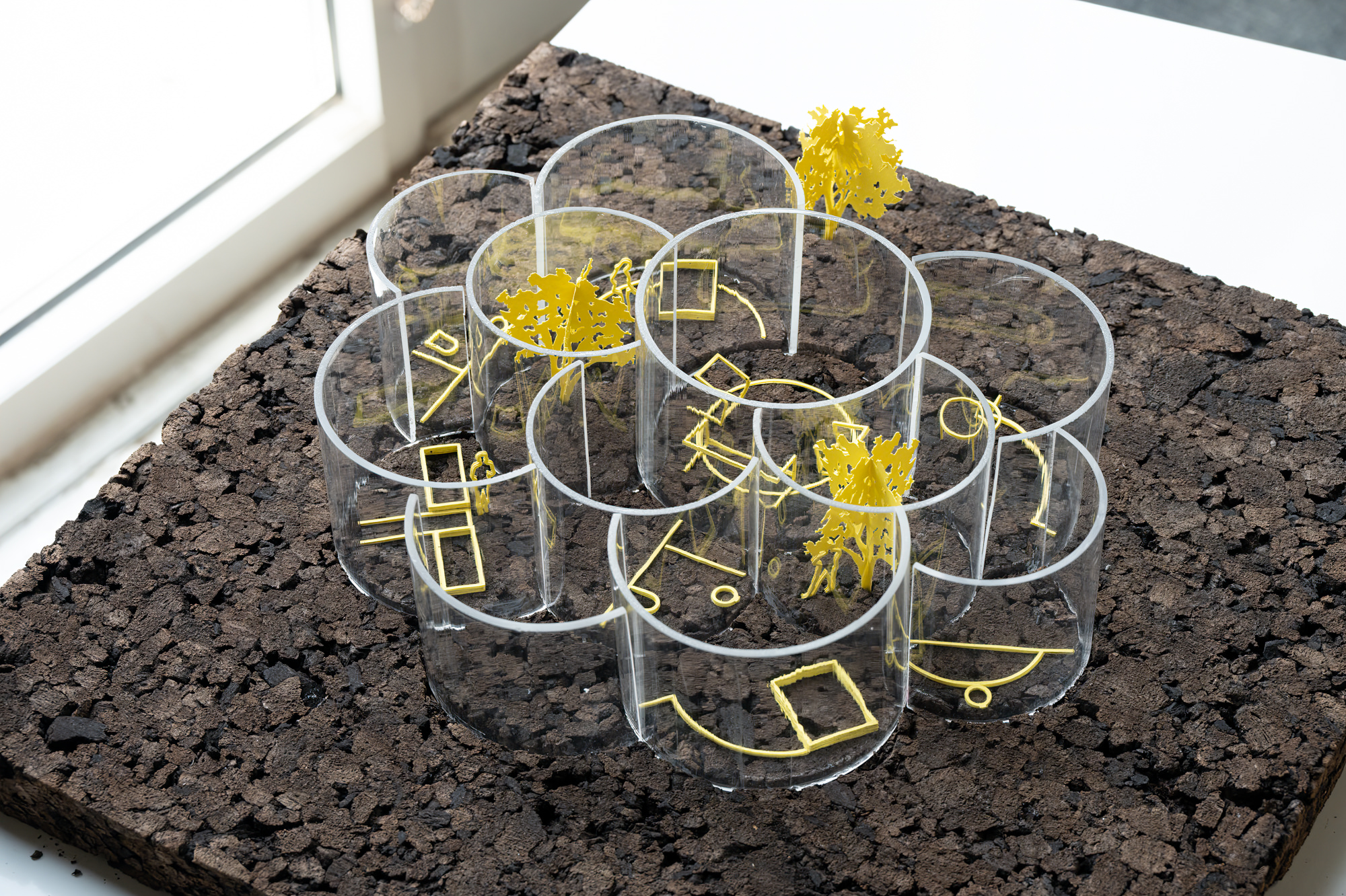
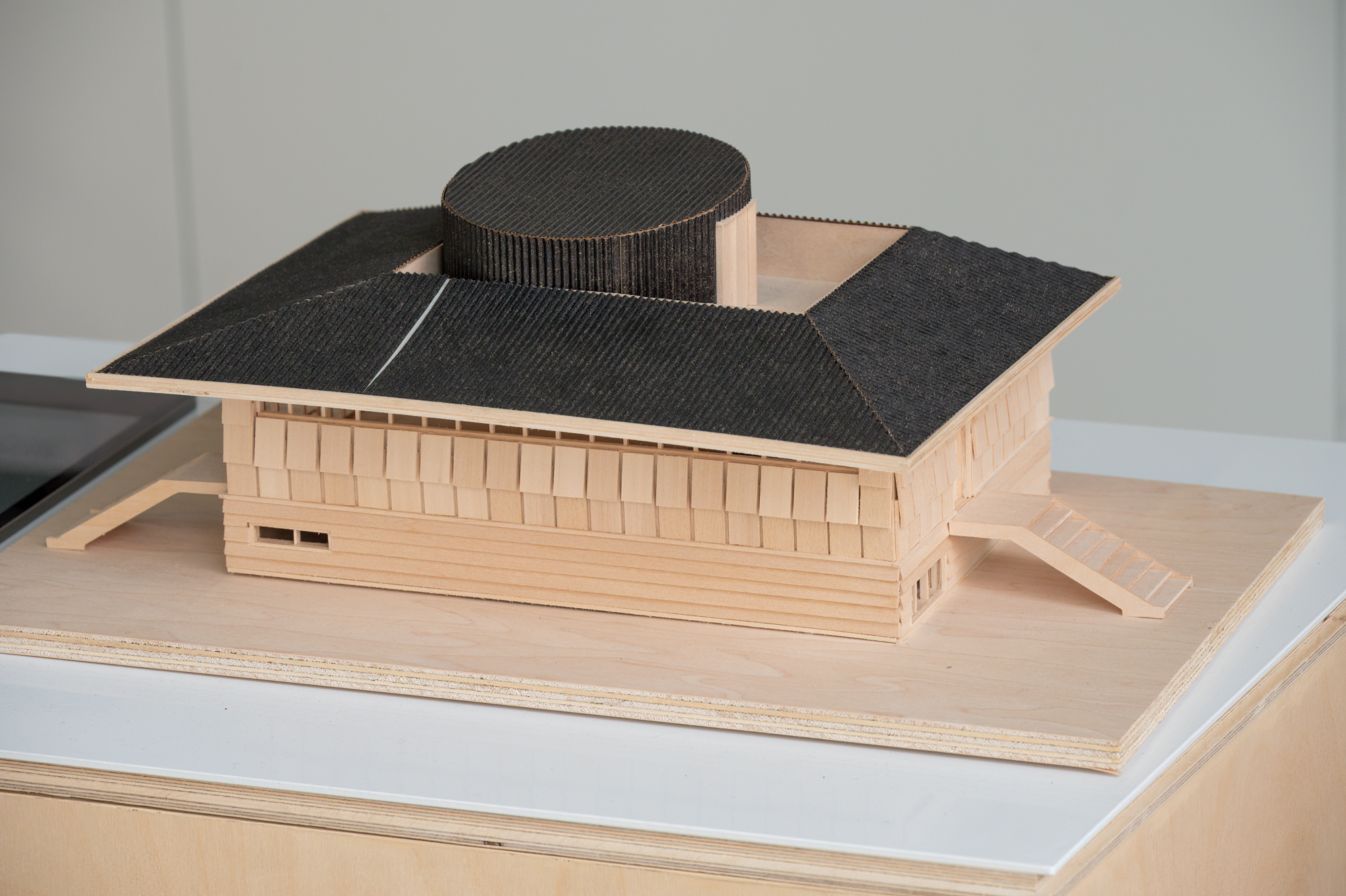
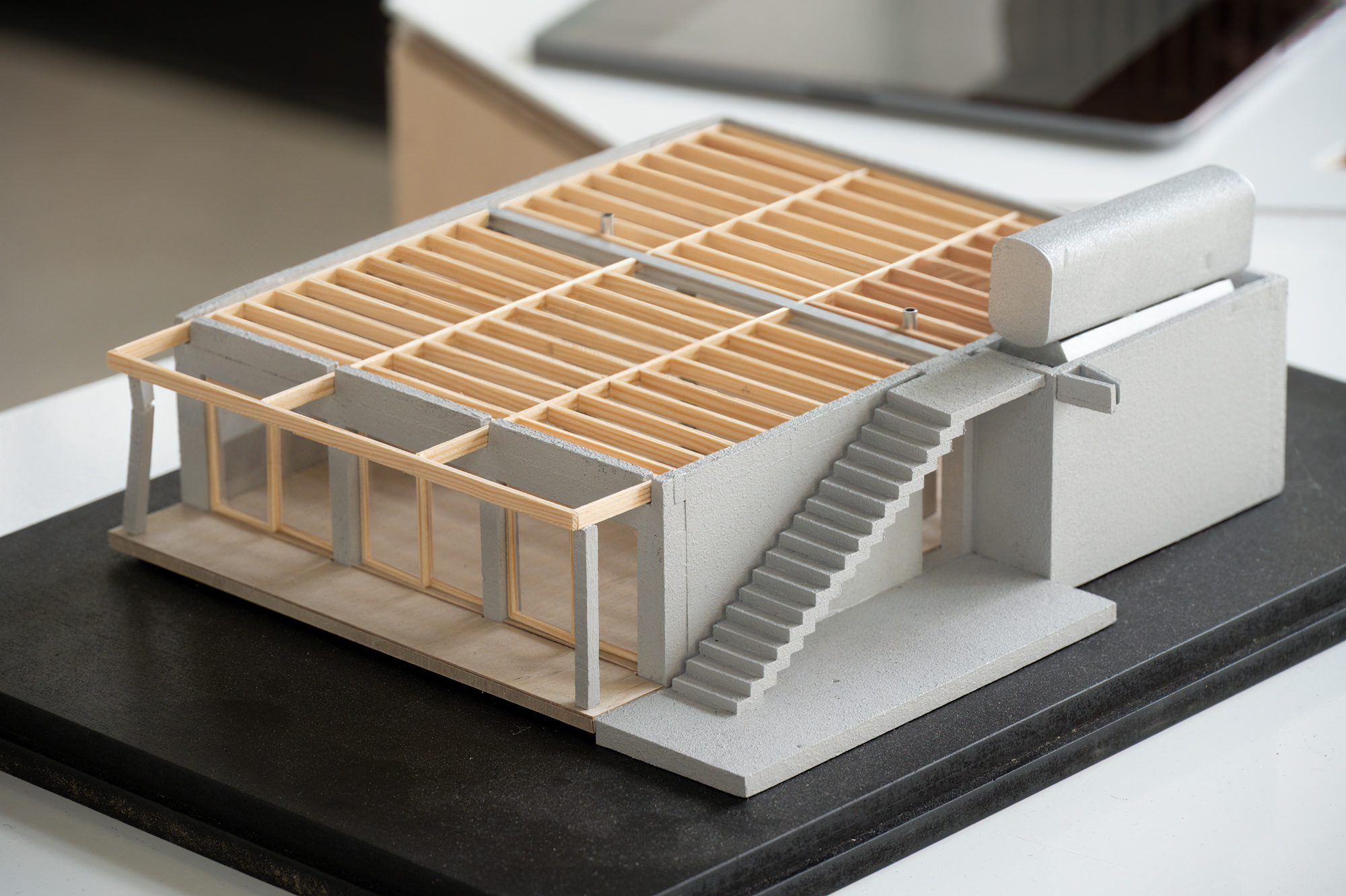
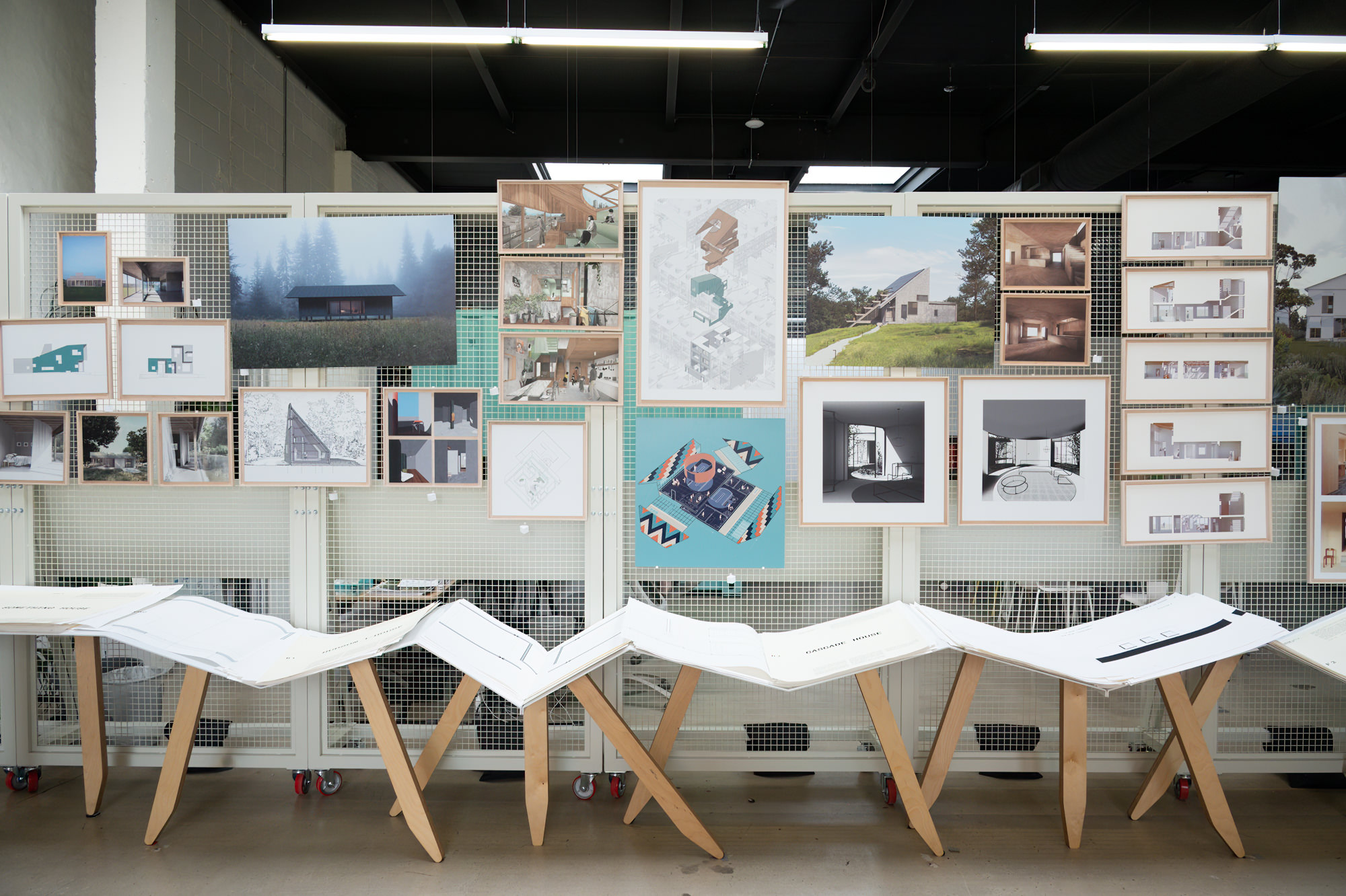
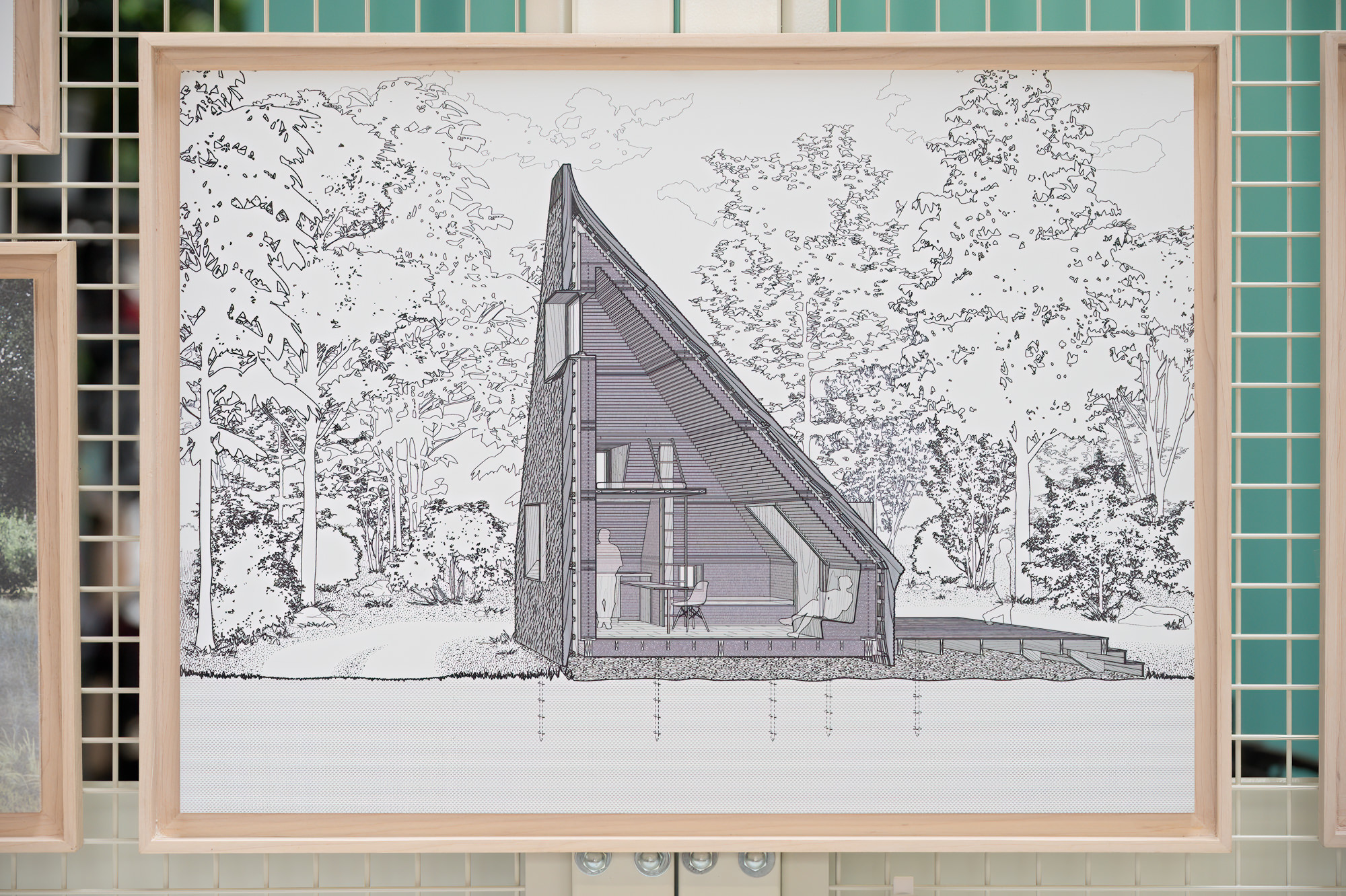
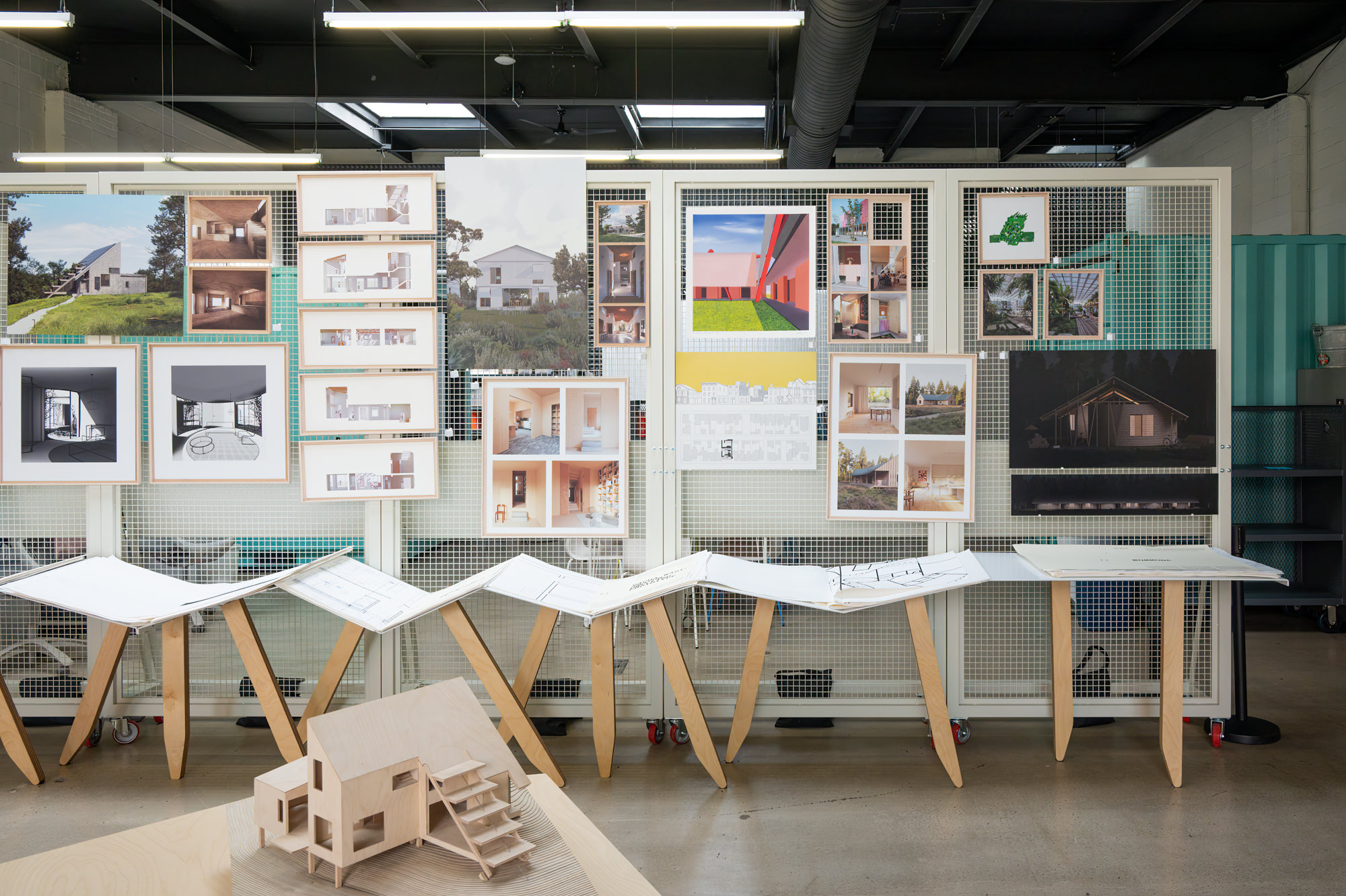
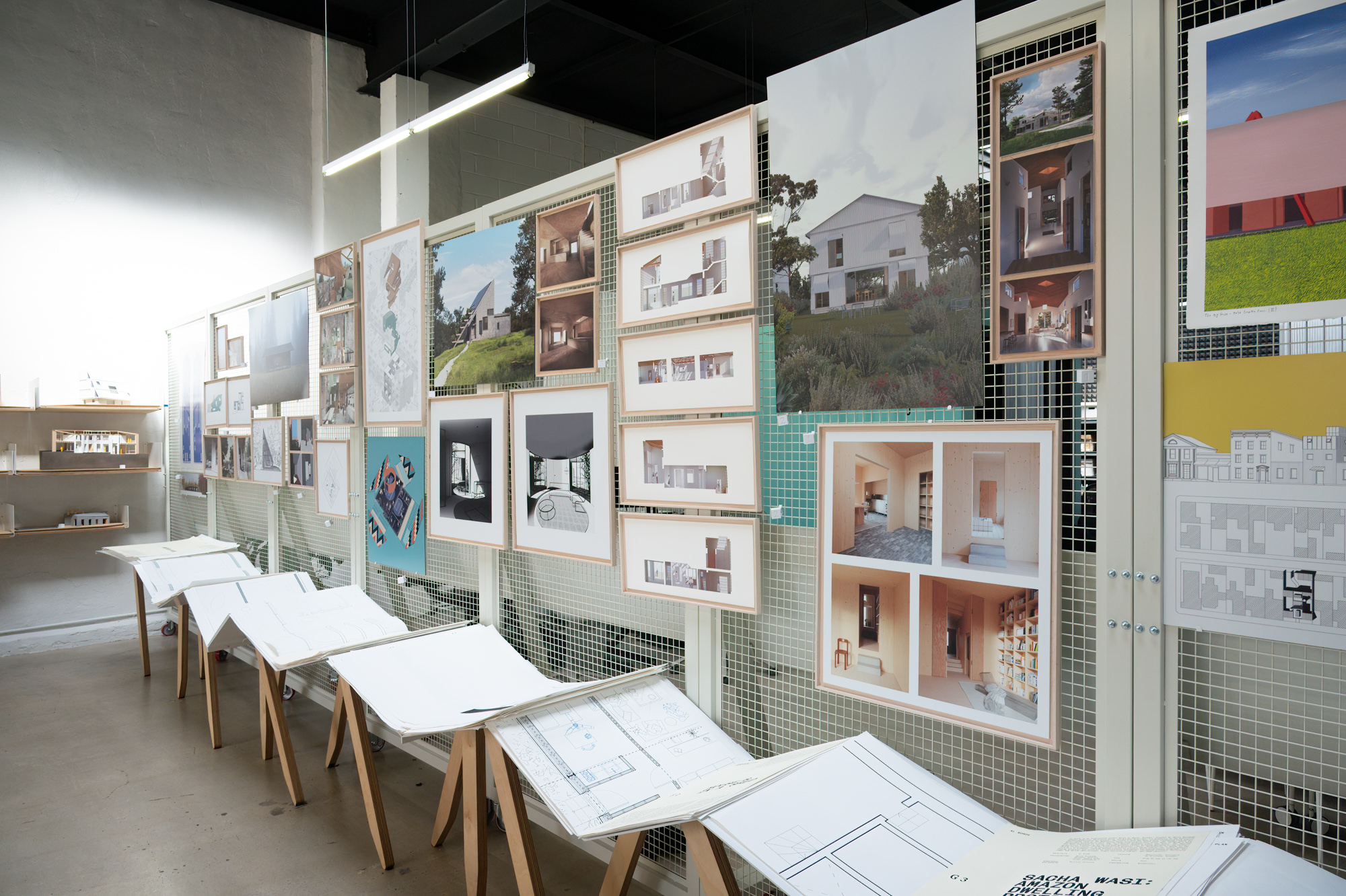
The Princeton School of Architecture’s The House Transformed exhibition at Van Alen Institute in Brooklyn explores alternate realities where housing is tailored to the individuals and needs of the inhabitants. Featuring dozens of models, drawings and renderings, the work spans conceptual ideas to realistic proposals.
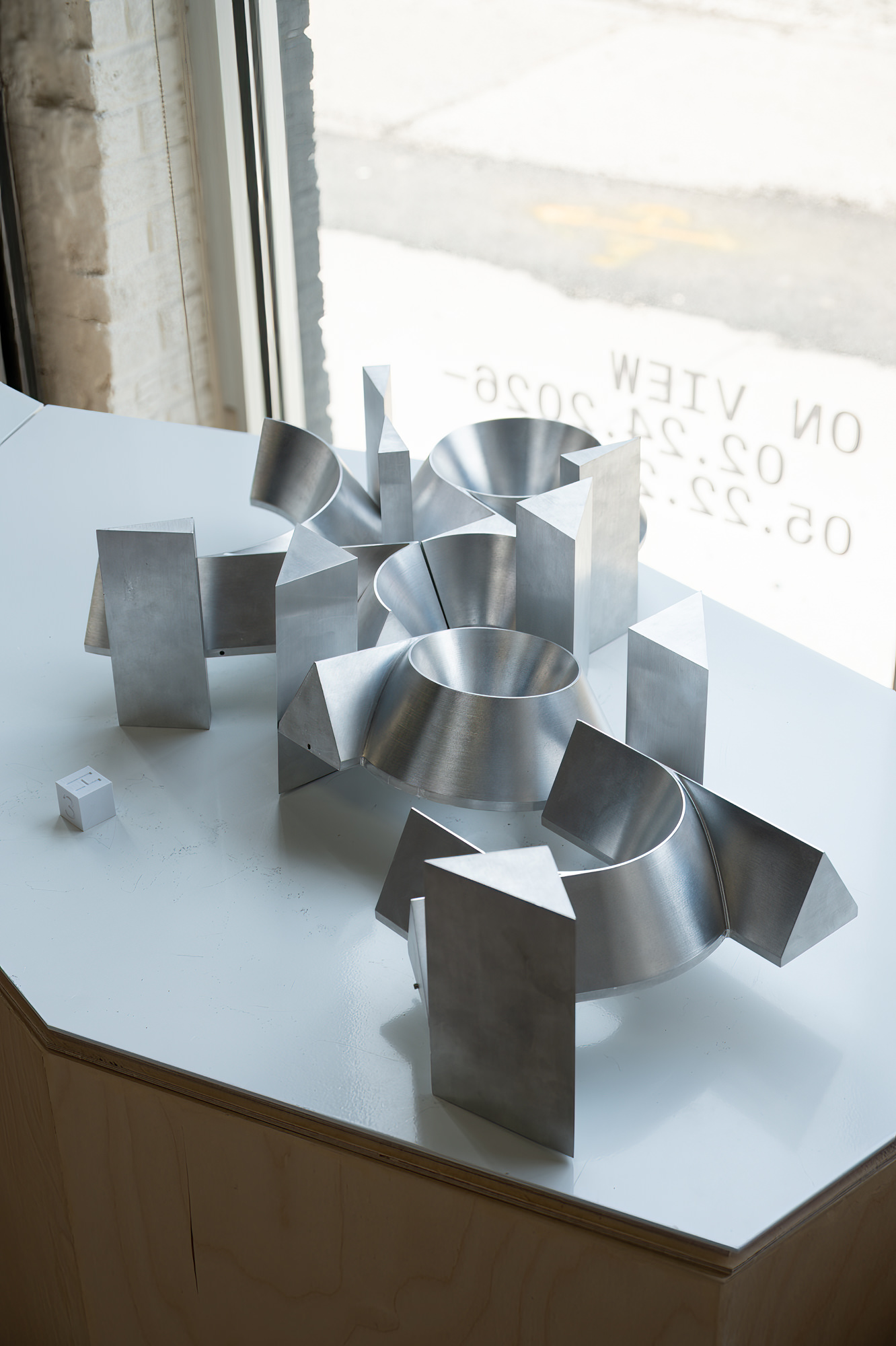
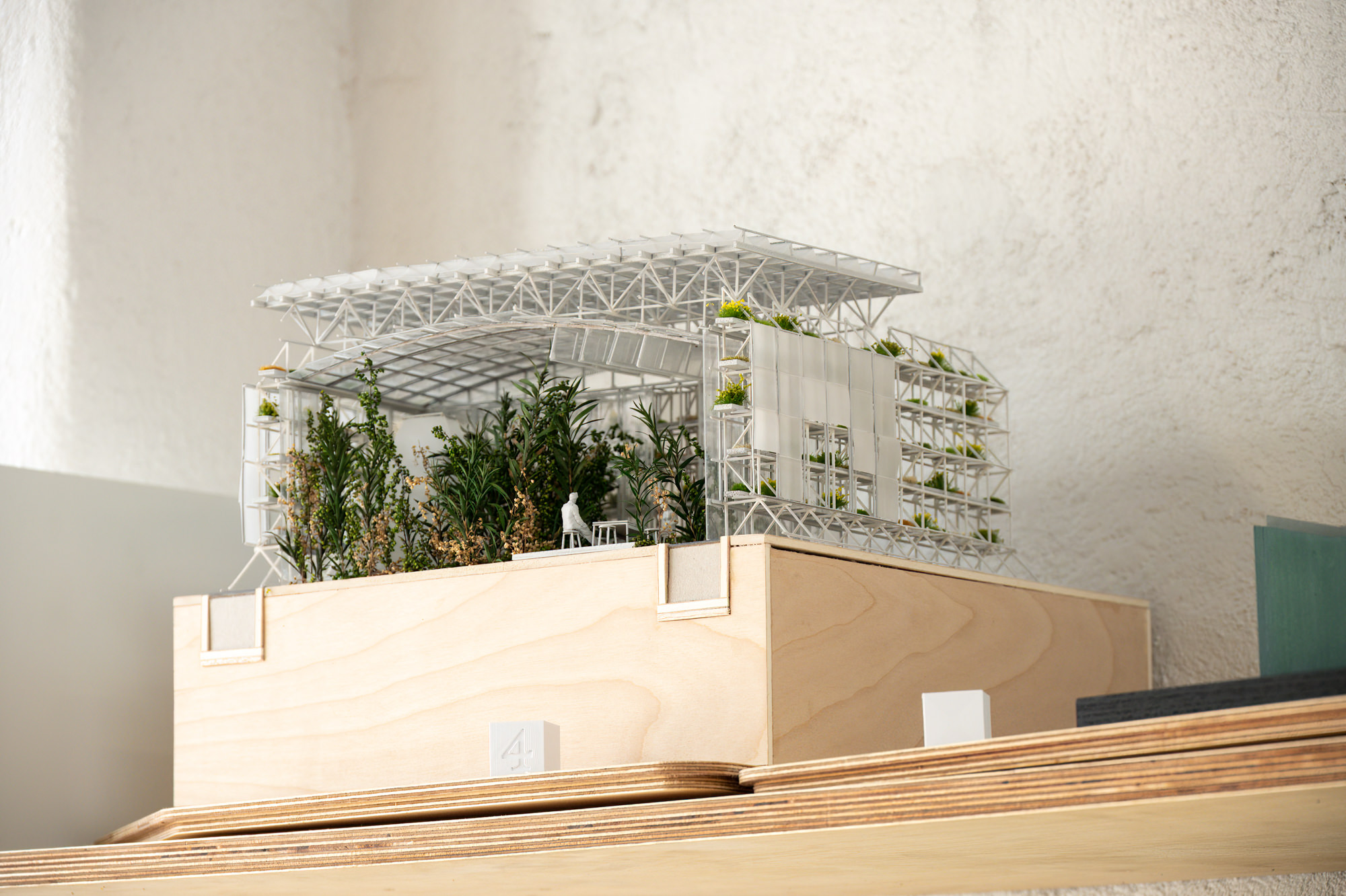
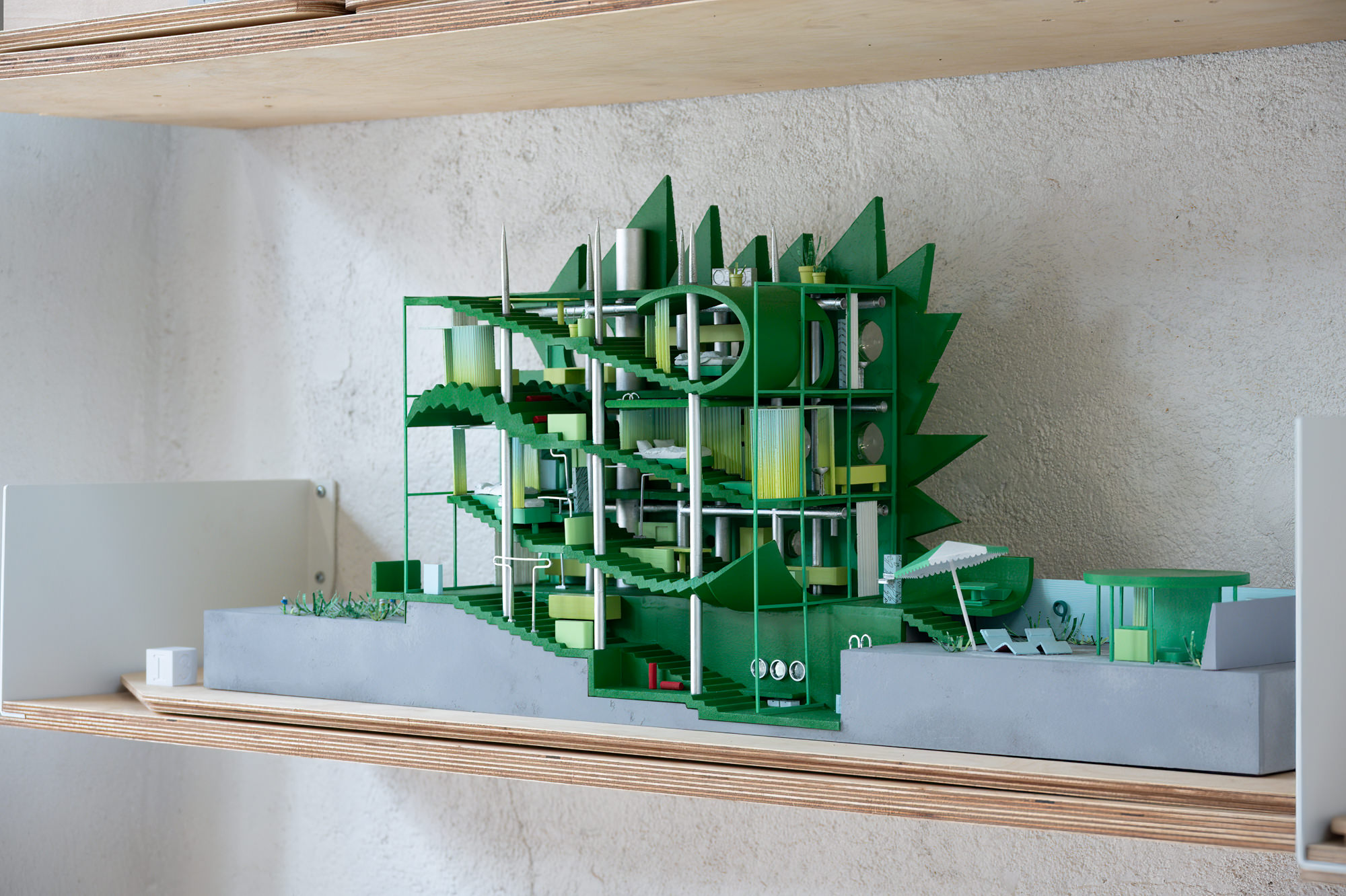
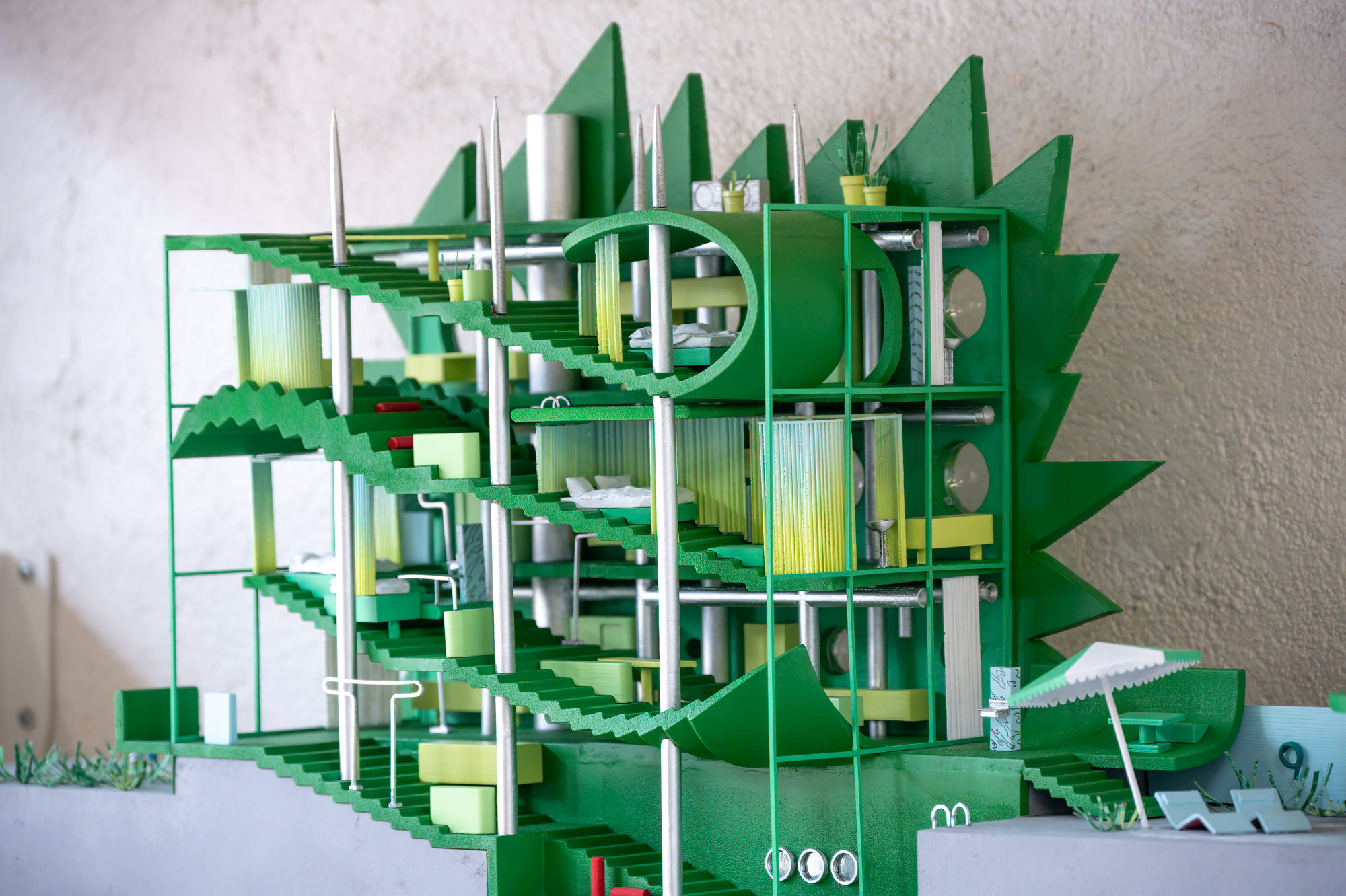
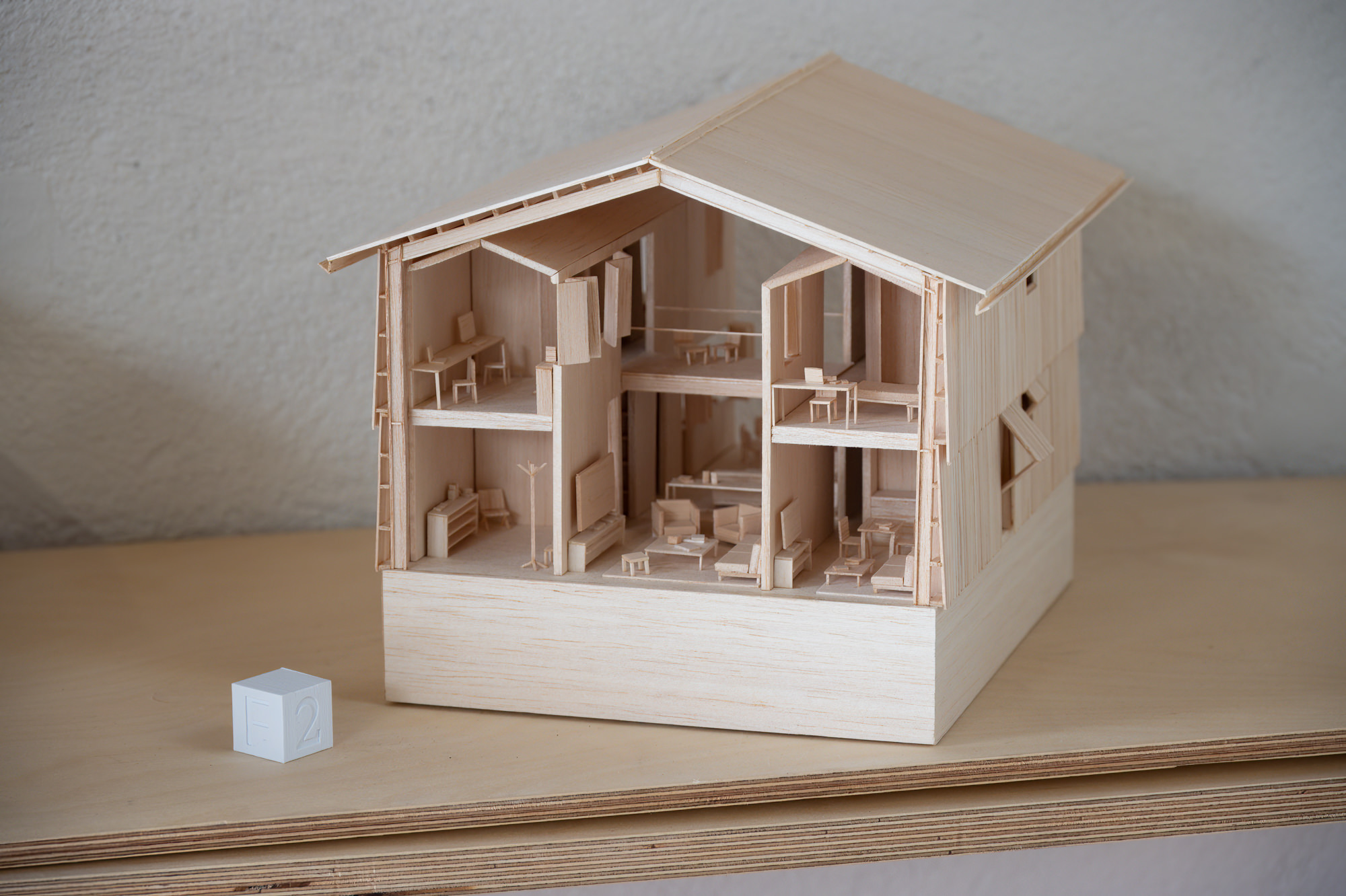
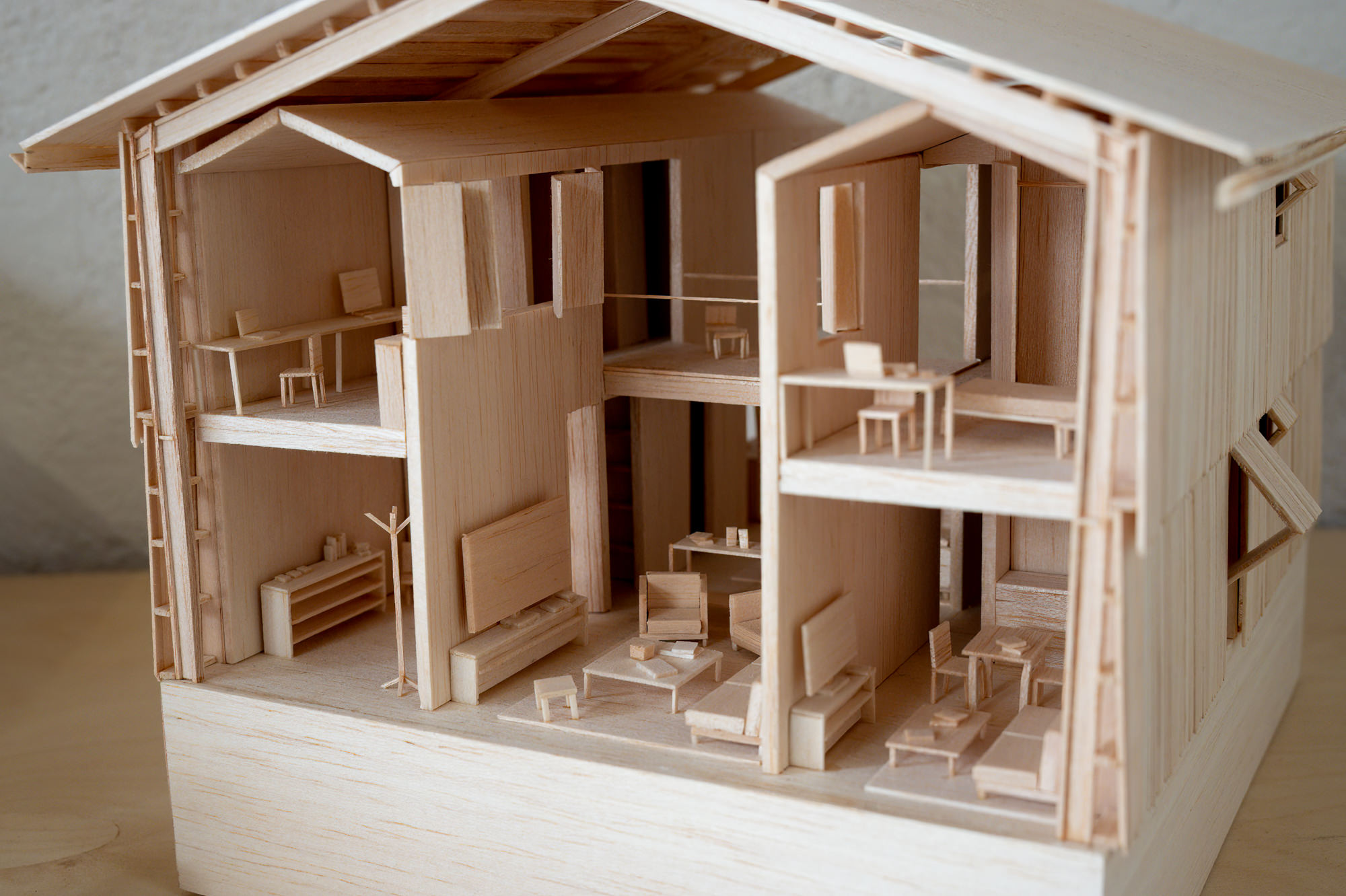
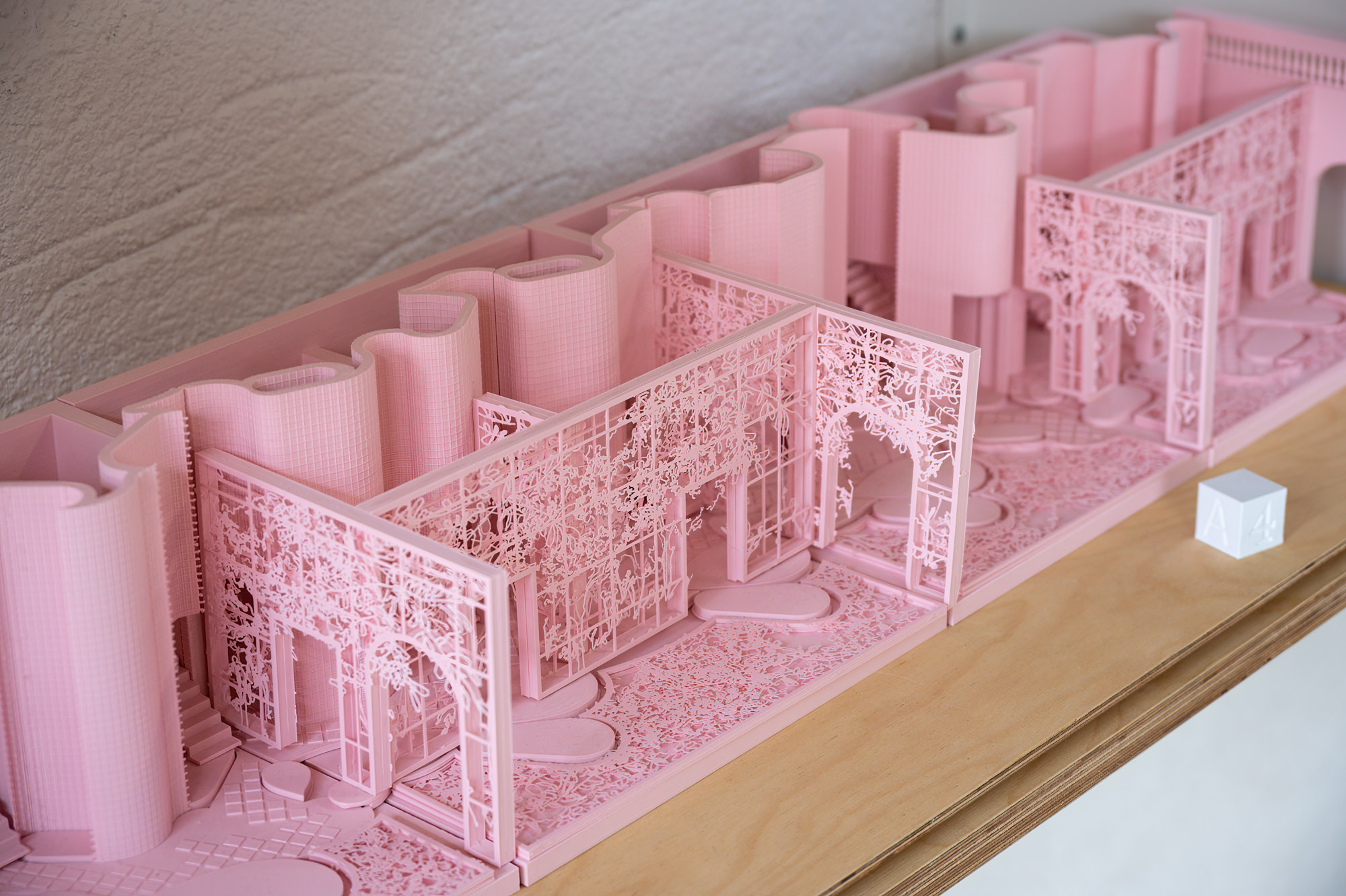
Other than small white cubes stamped with a identification code, there’s not much other visible information on the projects. The notes from the printed guide reference residential proposals for caregiving, multi-generational living, and new families. There’s a wide range in aesthetics from conventional pitched roof structures to geometric sculptural forms that occupy the far end of the concept architecture spectrum.
The House Transformed is worth a visit to see a lot of high quality scale models in person and maybe a way to string together a mini NYC architecture day with further stops at a83 and the Center for Architecture.
Full Description
Family has never been homogeneous, and it has never been simply “nuclear.” Many of us live with our extended family; countless consider friends their family, while others want to live alone, or with roommates who are mostly strangers. Some of us would like to age gracefully; others want to play, and many want to work from home. Love takes different forms, and it includes couples without children, single parents, and those in polyamorous relationships. Households come in many shapes, and yet, architecture has continued to insist on one-size-fits-all. Neutrality has proven to be exclusionary and has not served us well.
The House Transformed calls for imagining new typologies which provide a home for households that do not fit the limited concept of the nuclear family. Following Emanuele Coccia’s premise that “…we build homes to give a form of intimacy to the portion of the world – comprising objects, people, animals, plants, atmospheres, events, images and memories – that makes happiness possible,” the exhibition modestly focuses on the scale of one household, and does not attempt to address the complex issues of large-scale housing projects. Centering on the realities of an intimate small scale which supports our daily life, each project imagines powerful alternatives to the status quo.
In the exhibition, architectural concepts of model and type are intertwined. If type is to be repeated, and model to be emulated, these two ideas turn out not to be far apart. In The House Transformed drawings, models and a few buildings speculate about culturally embedded domestic ideas often left at the margins of our conversation about the power of architecture.
Photos and Text: Dave Pinter