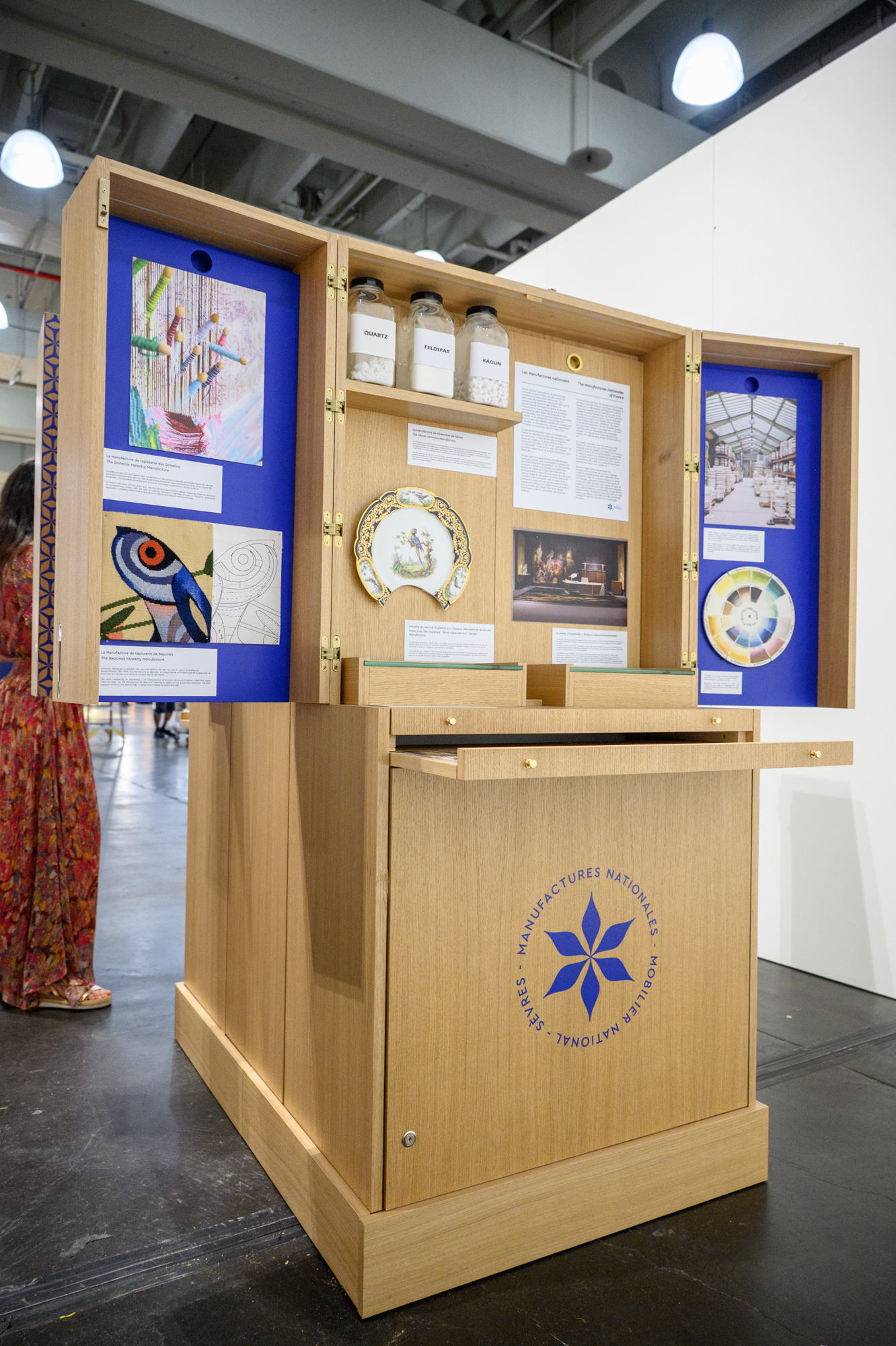
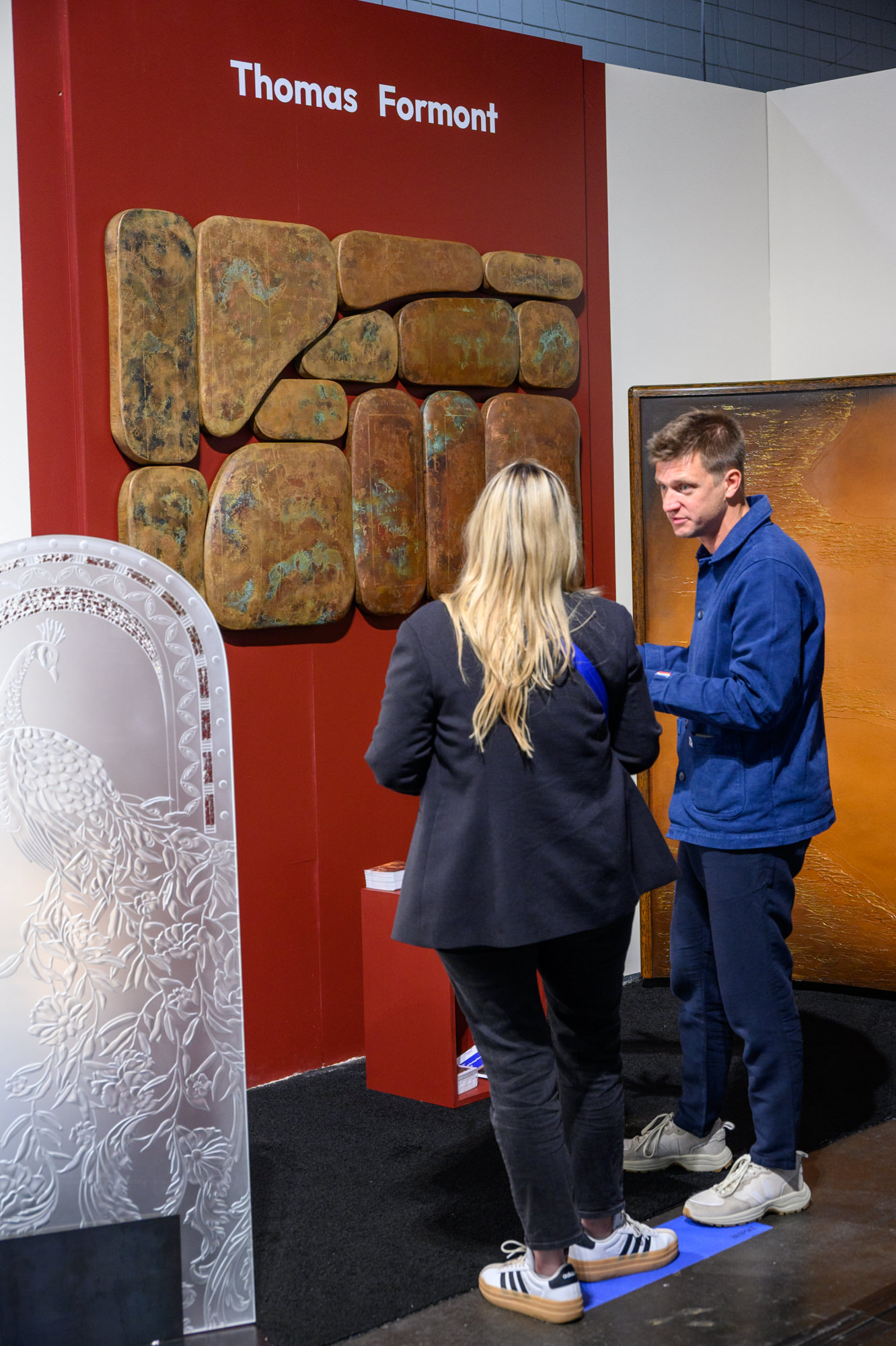
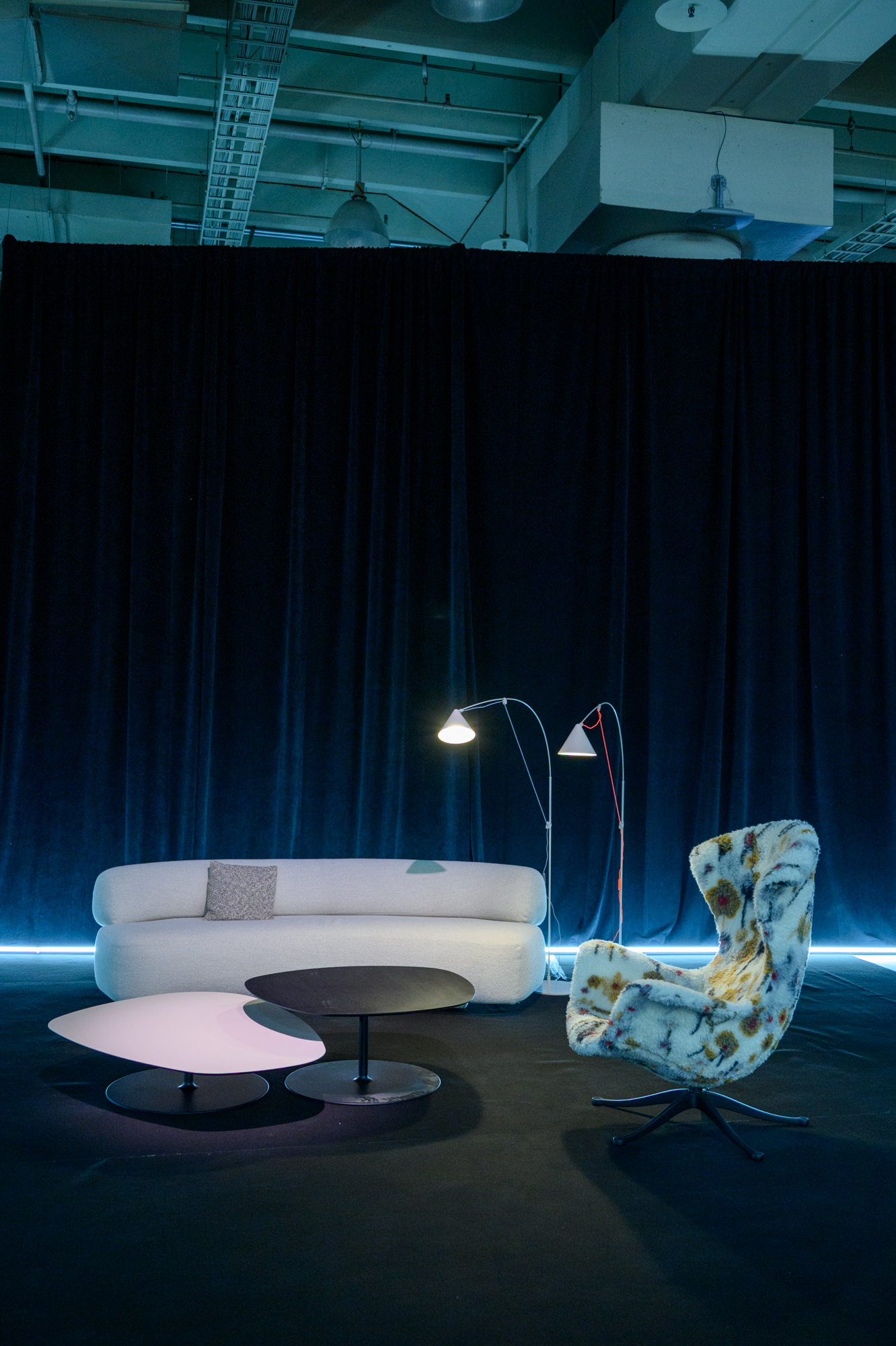
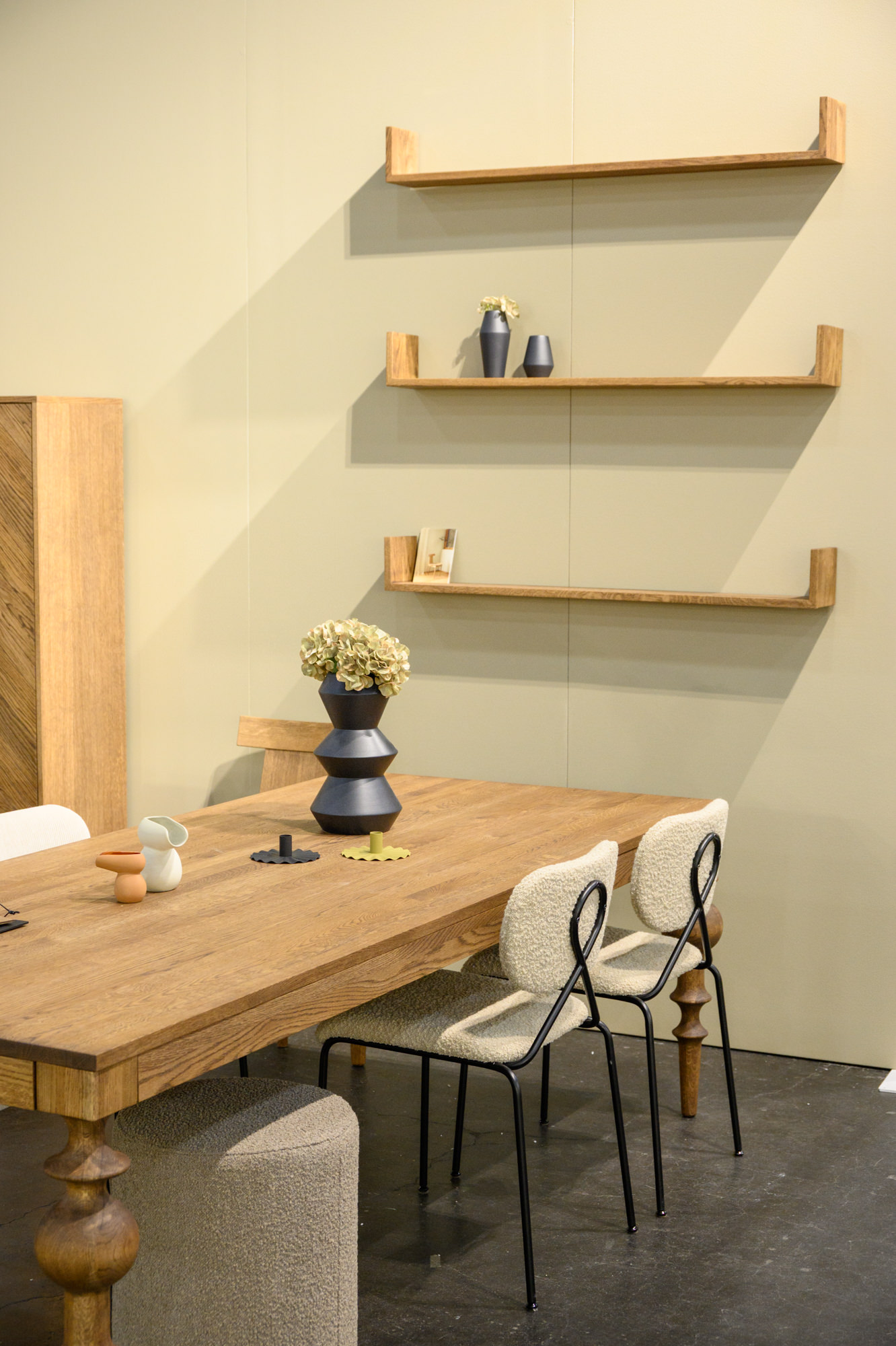
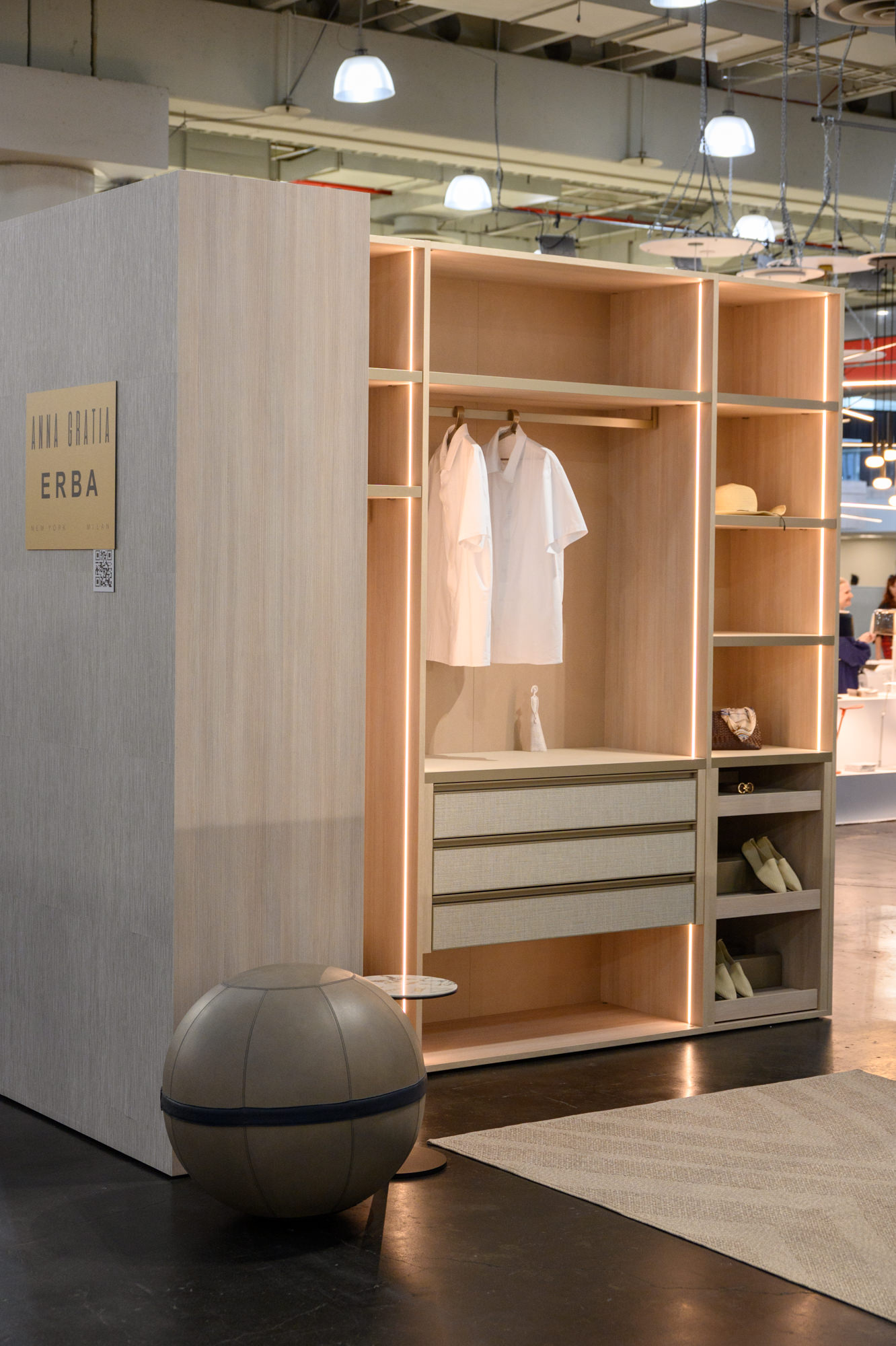
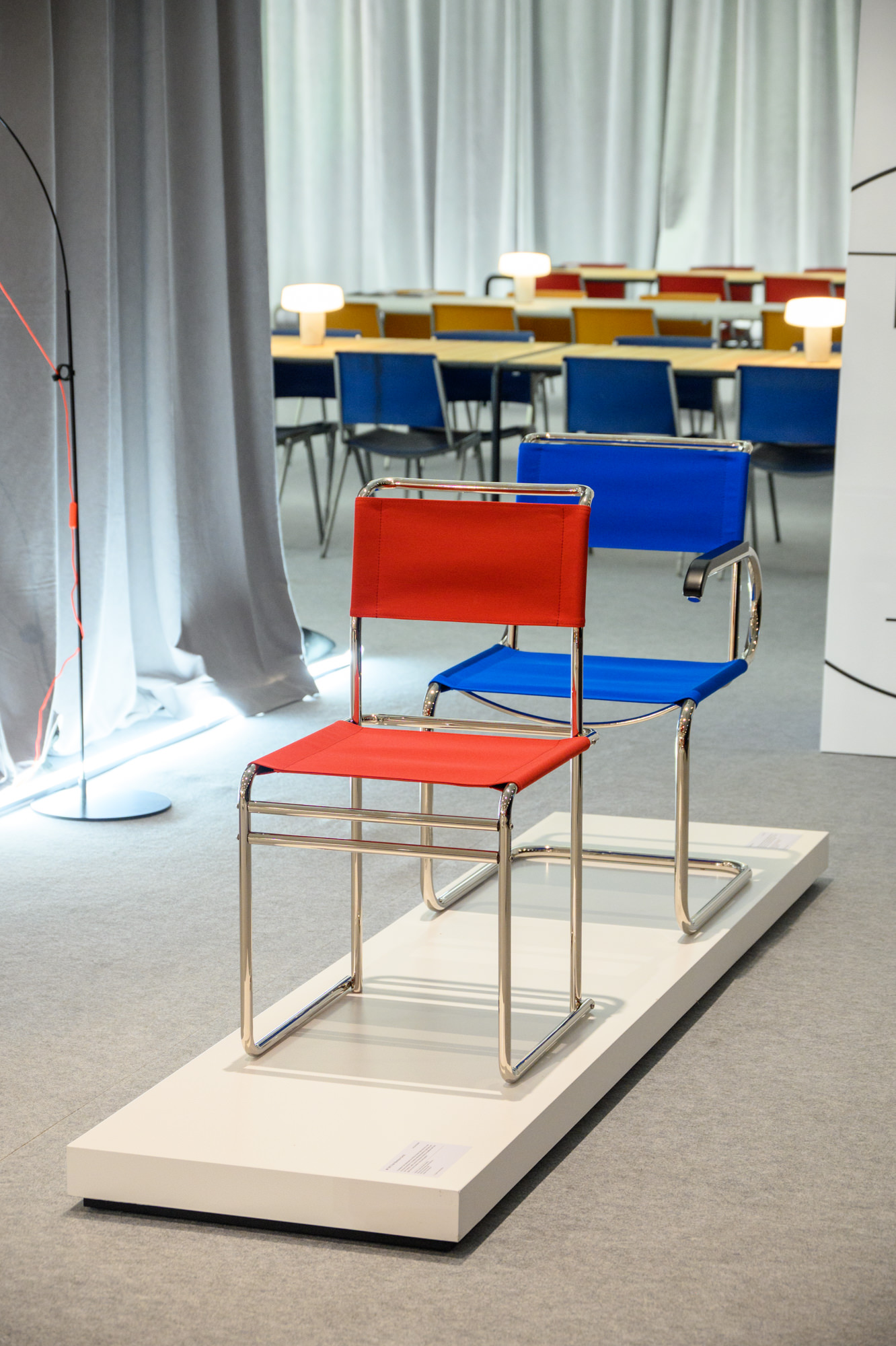
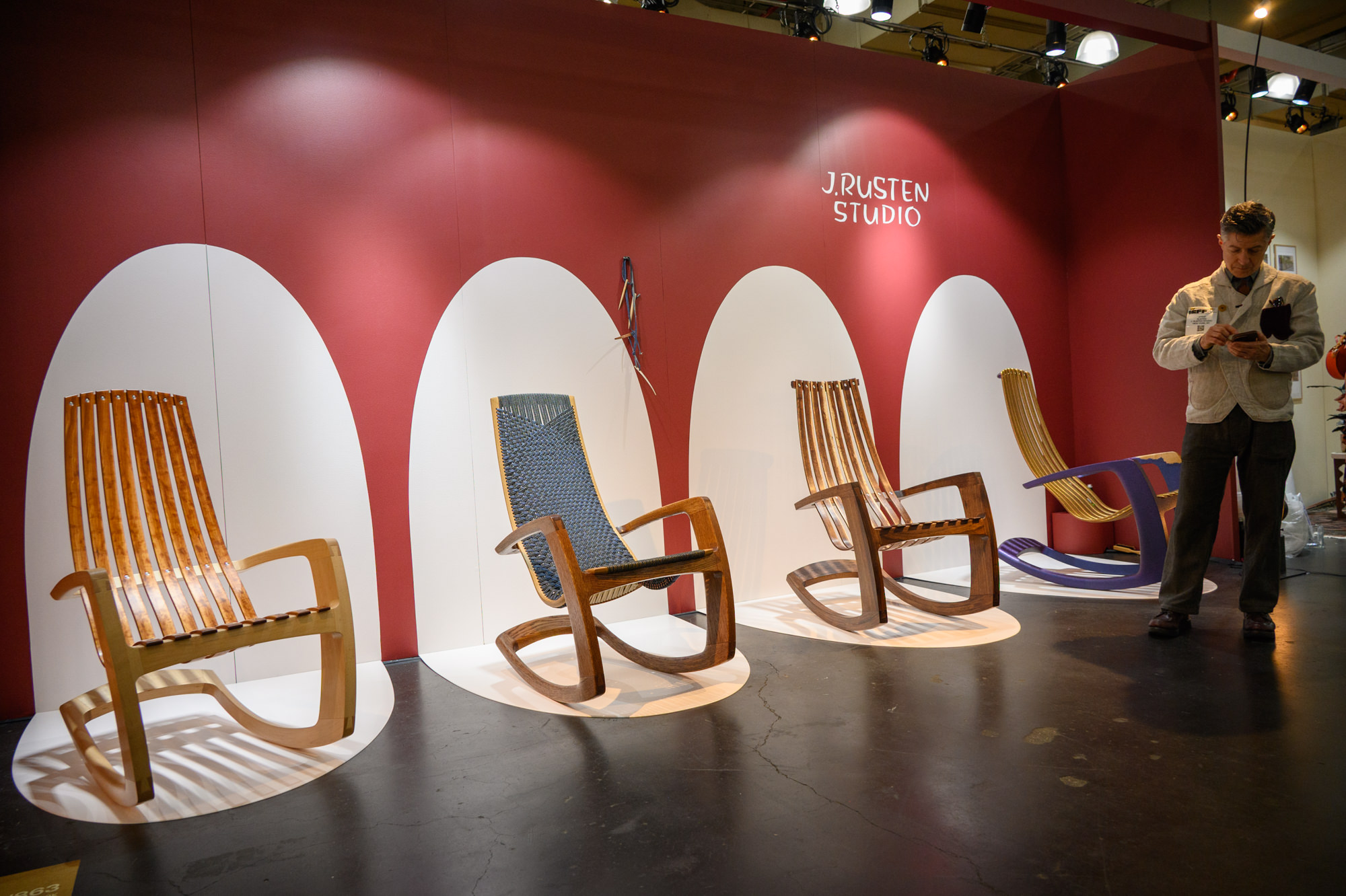
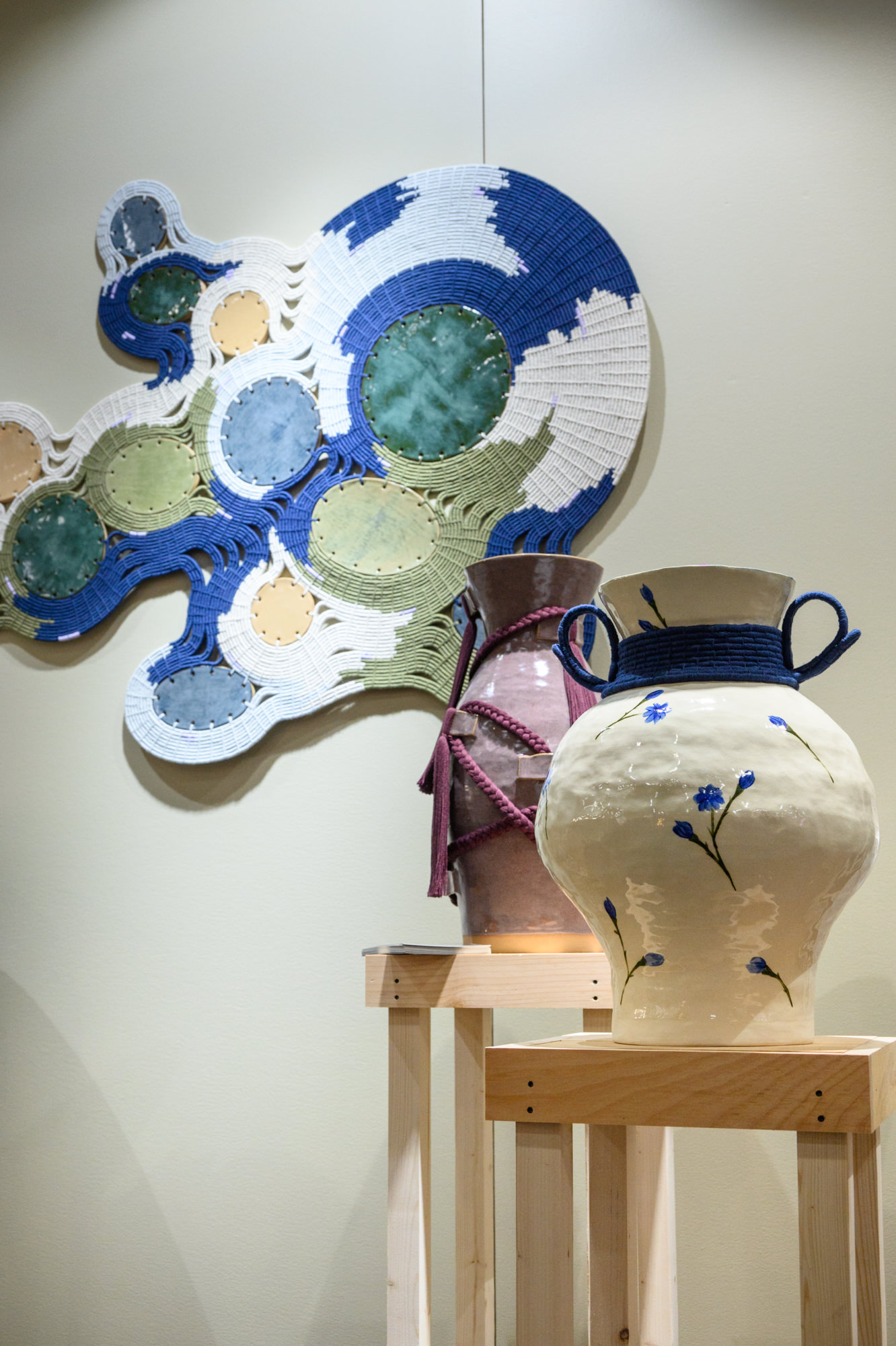
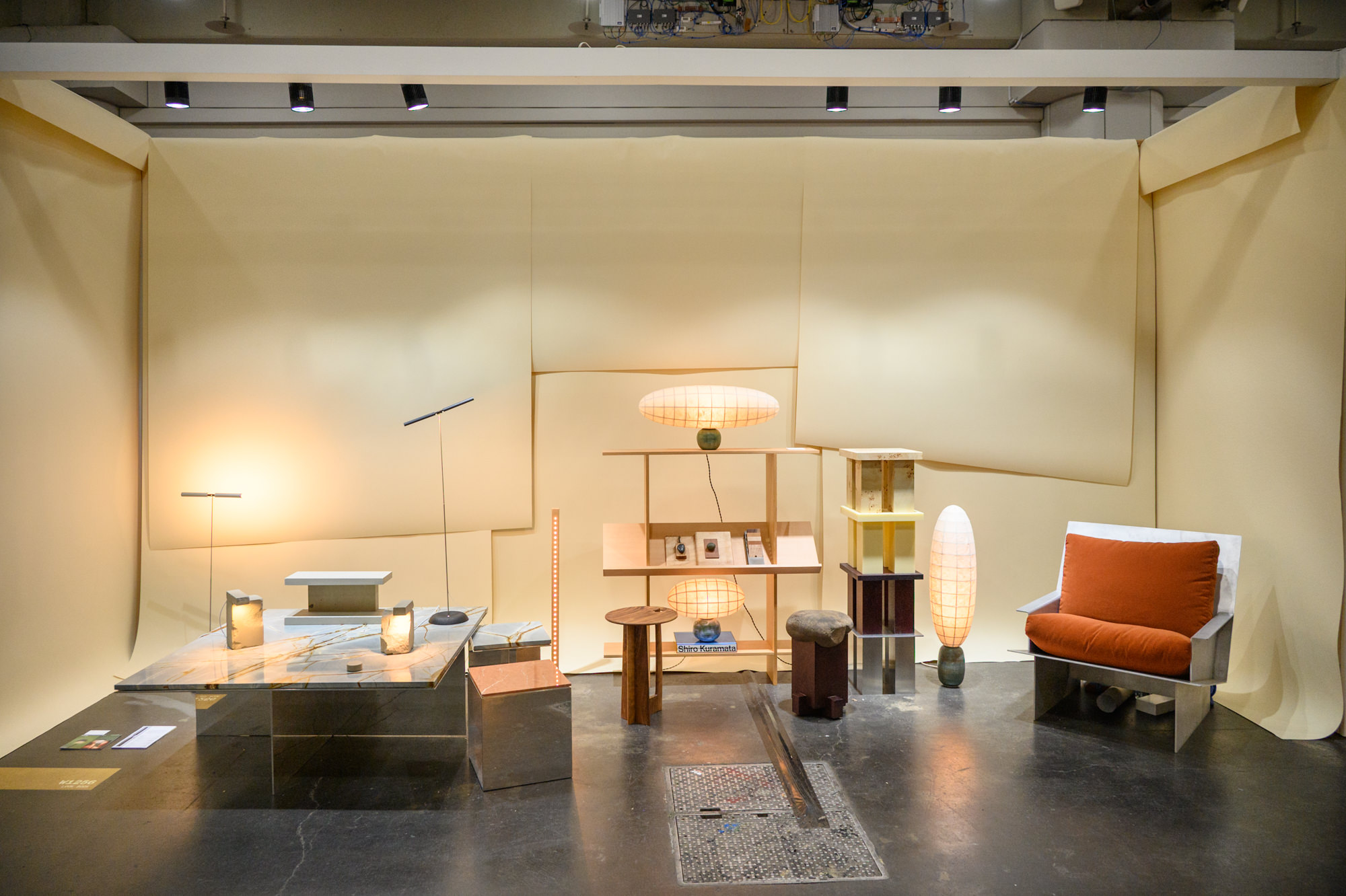
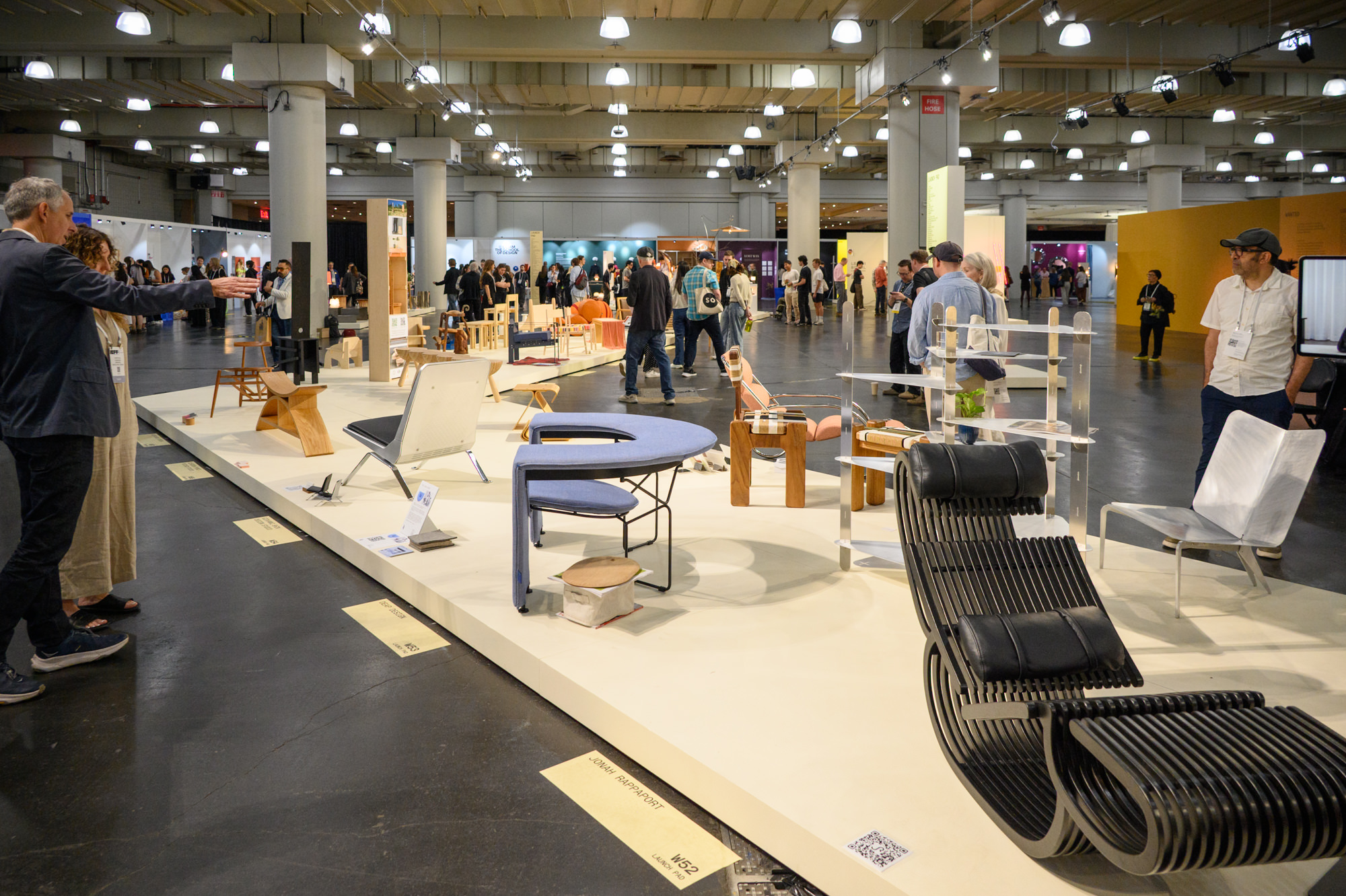
Just prior to the opening of ICFF + Wanted at Javits, an announcement was made that this would be the last year for the show to be held in May. It is an end to the spring date I’ve had on my calendar since the late 90s. For 2027 the show moves to a mid-November date to consolidate the schedule with BDNY, the hospitality focused trade show. The move will disconnect it from the annual NYCxDesign festival that will still take place each May.
Overall, I thought this year was one of the strongest shows in recent memory. However the impact of economic and political factors could easily be seen. International participation was scaled way back, most notably with Italy occupying a small floor pad as compared with a usual multi aisle takeover.
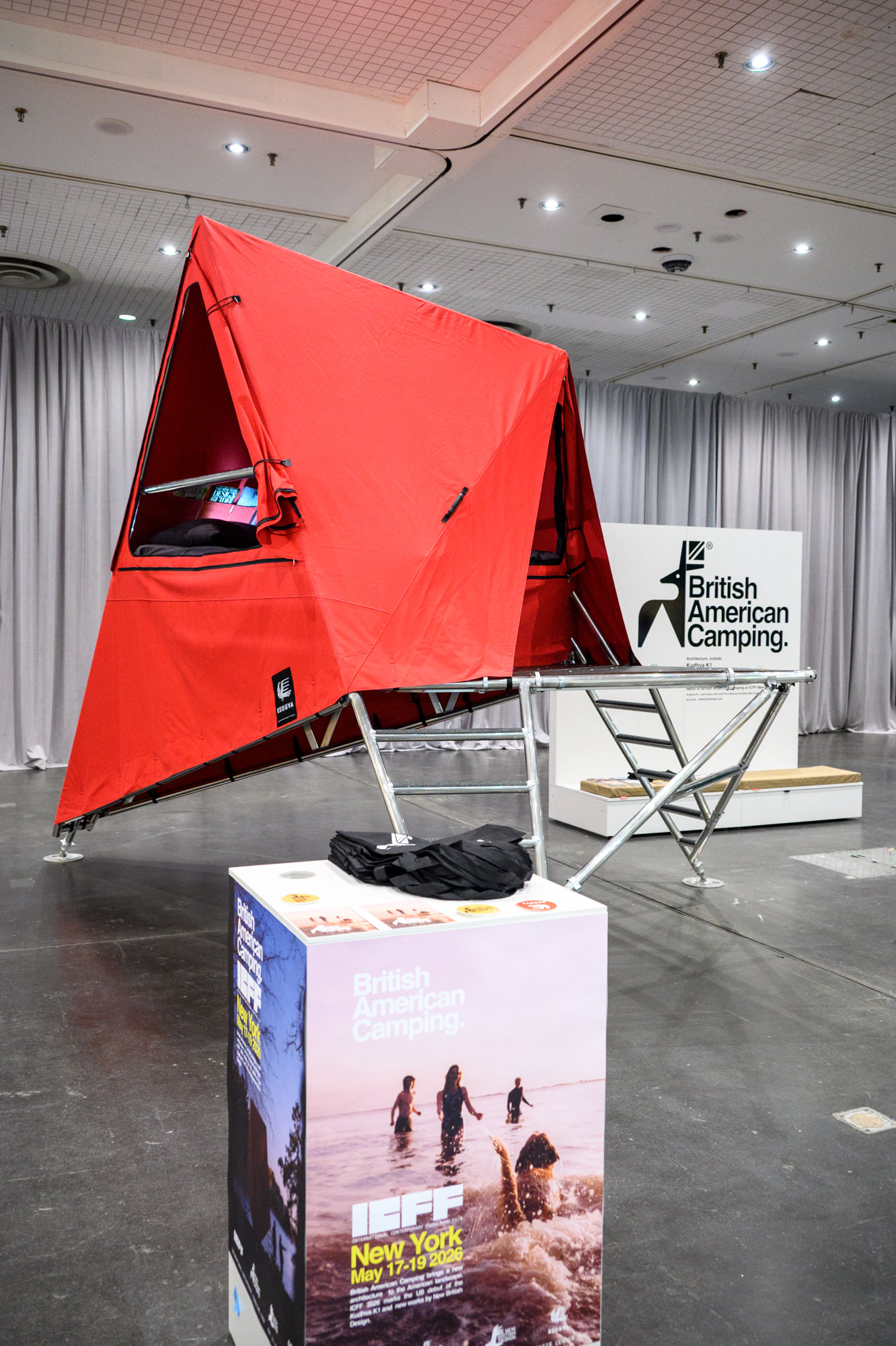
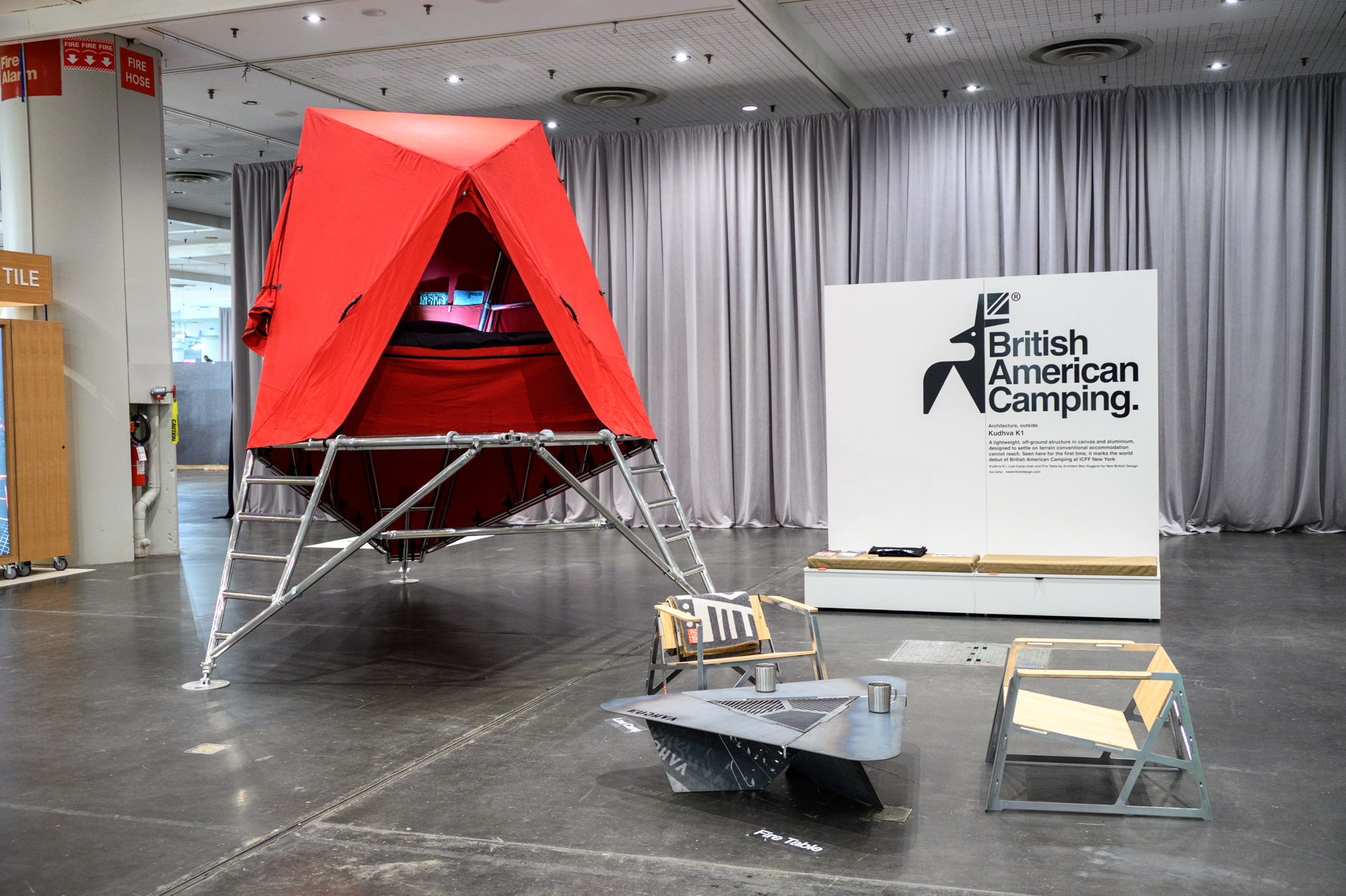
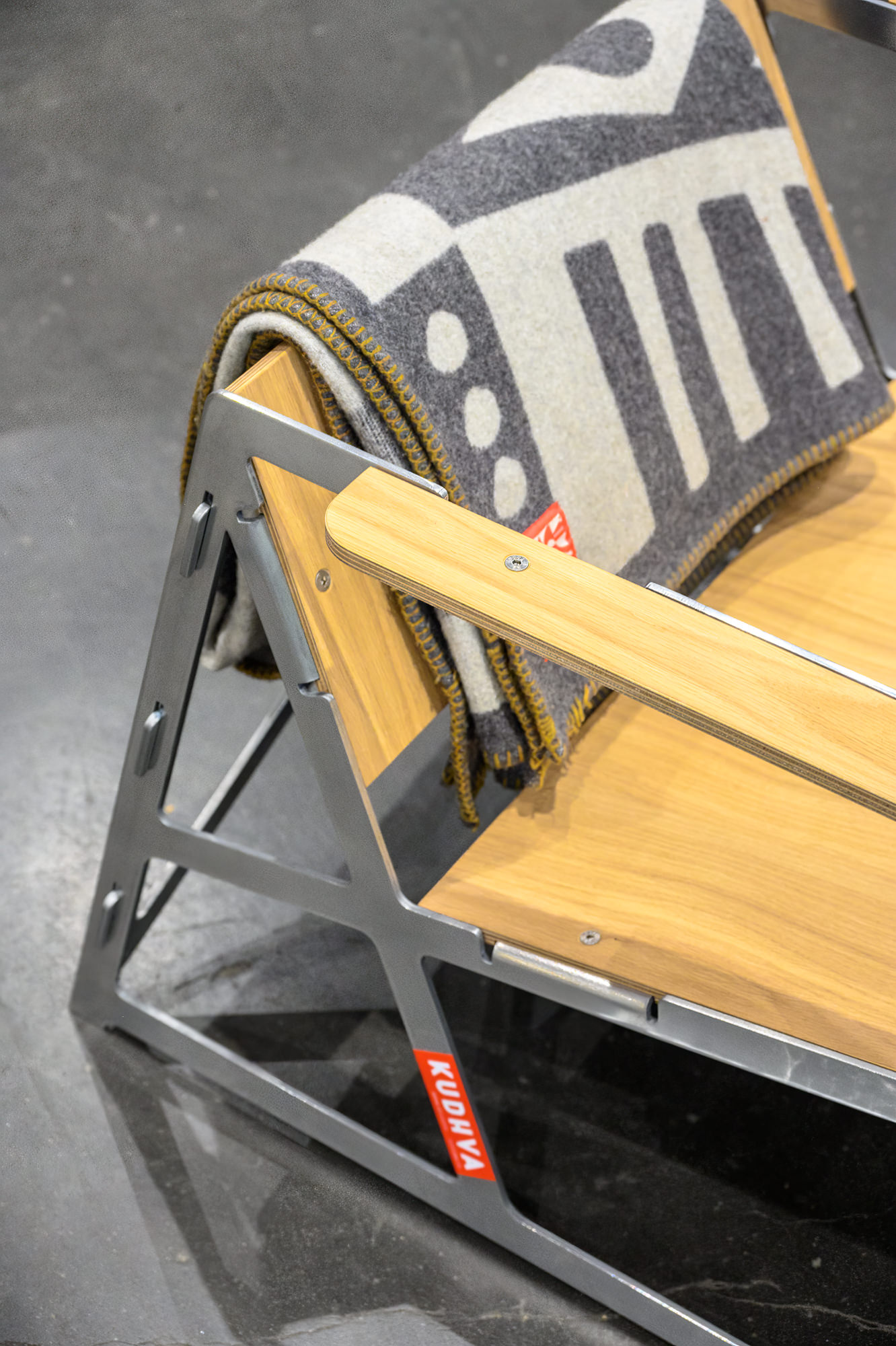
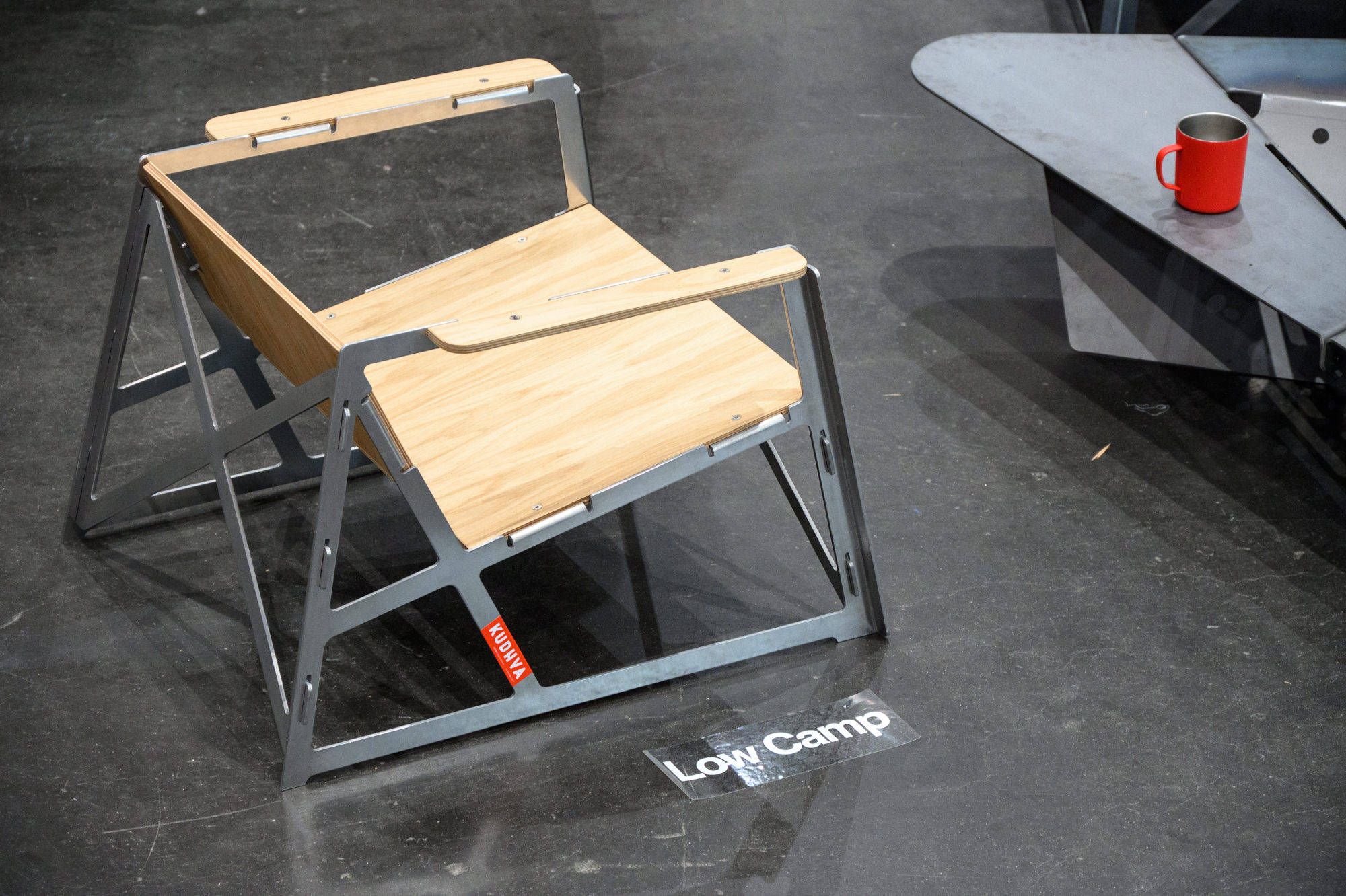
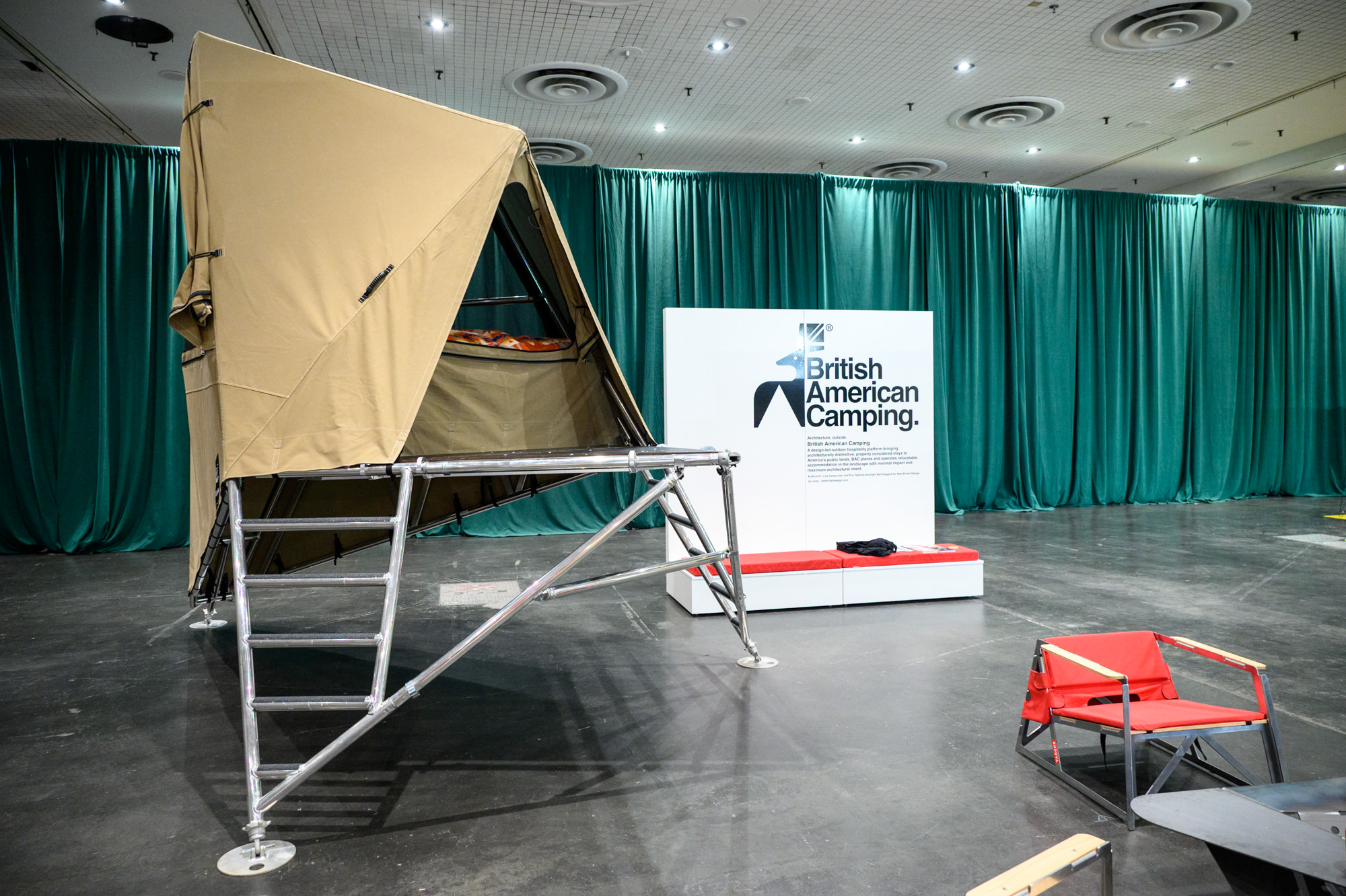
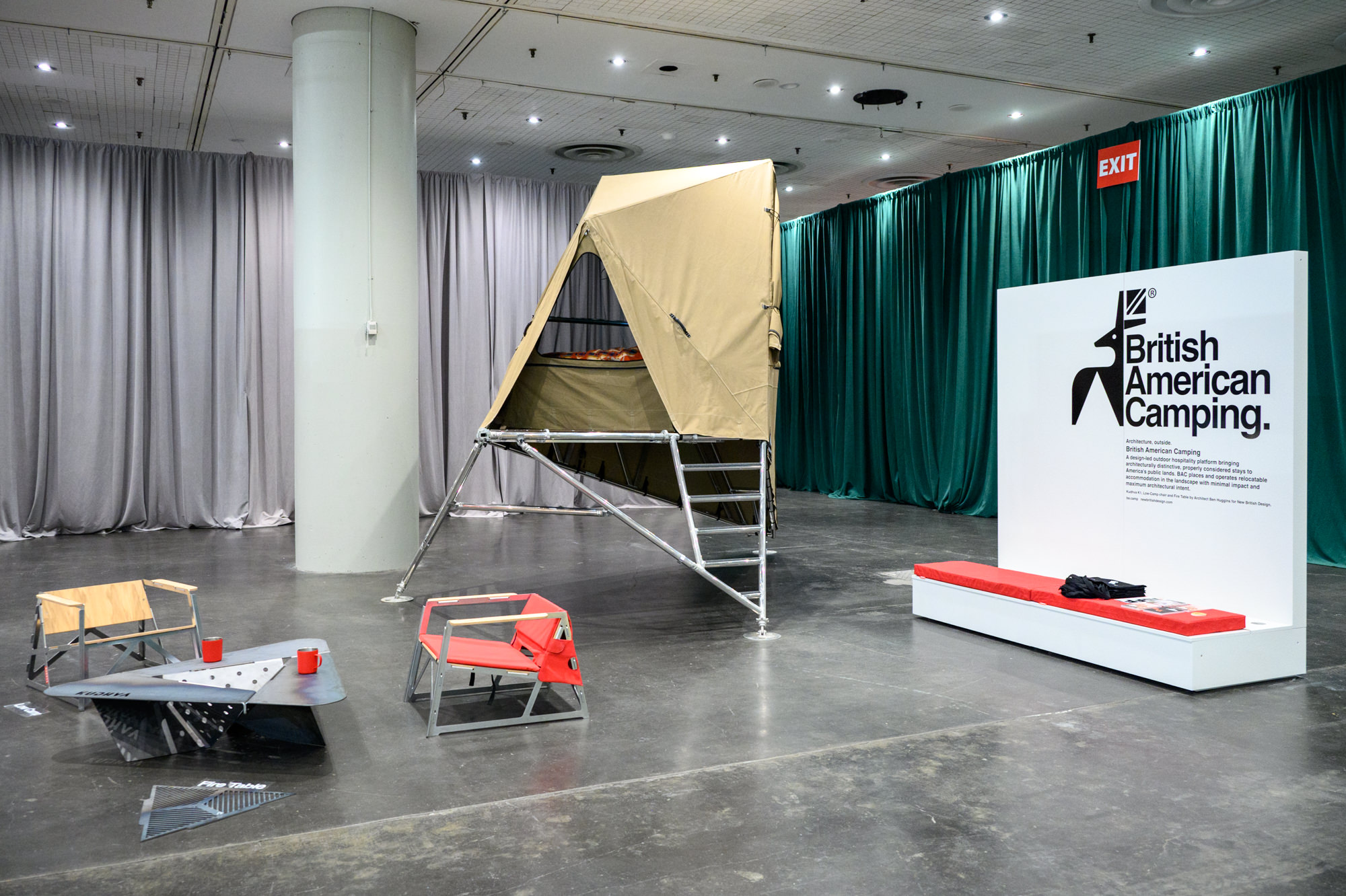
Still I found myself spending a considerable amount of time walking the aisles to seek out the really interesting bits of often at the edges of the floor plan. As was British American Camping with their hard to miss lunar lander inspired tents. This was my favorite booth at the show to appreciate hardcore industrial design. The tents look awesome and assemble with no tools. The company is taking a hospitality approach to offering these for campsite stays. But I can see the overlanding crowd go nuts for these and their camp furniture.
In a different back corner were a series of chairs made of overstock metal from the construction of NYC subway cars. Atelier by Apparatus launched the chairs at ICFF with the distinctive texture made found inside the newest MTA trains.
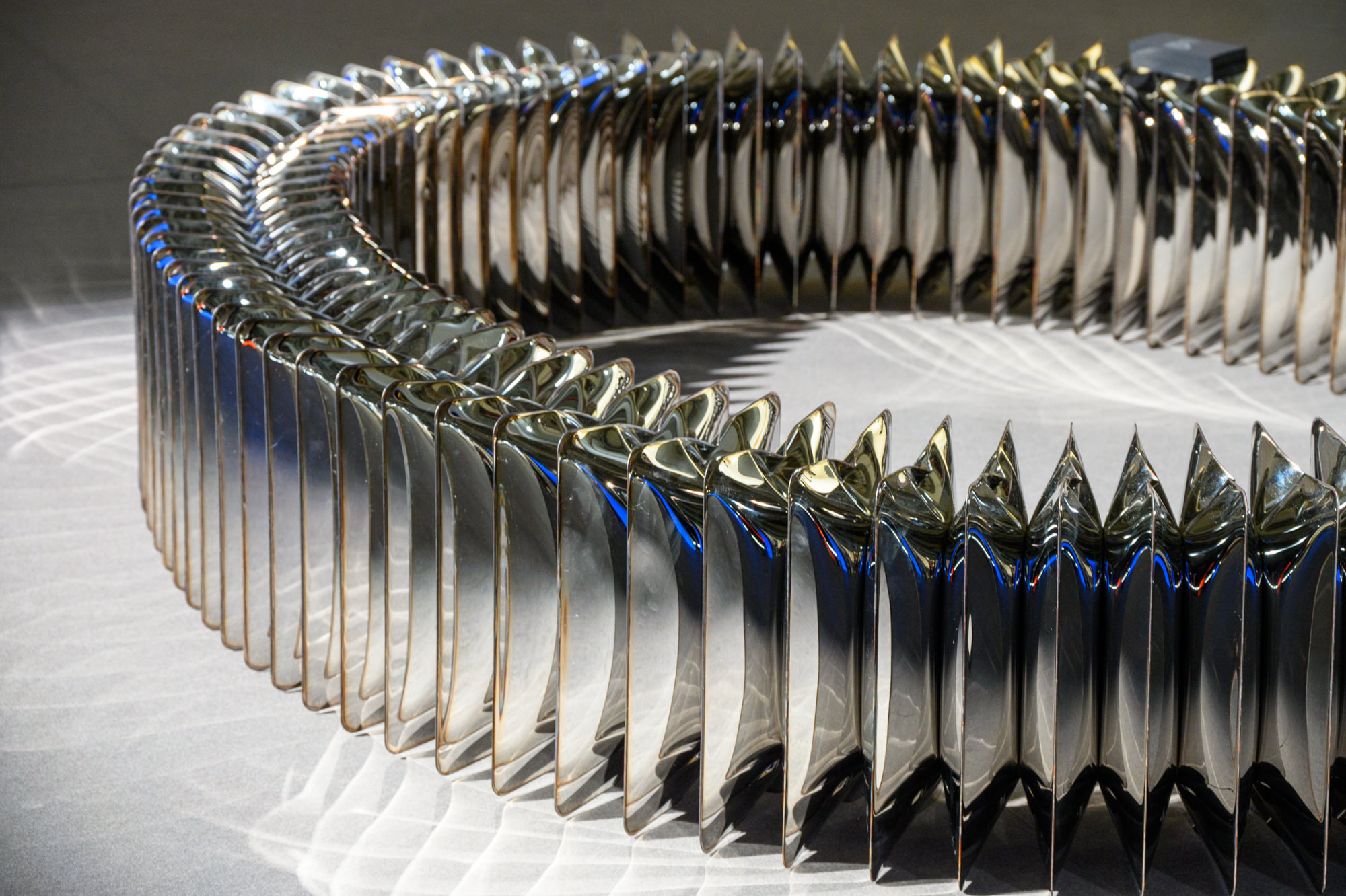
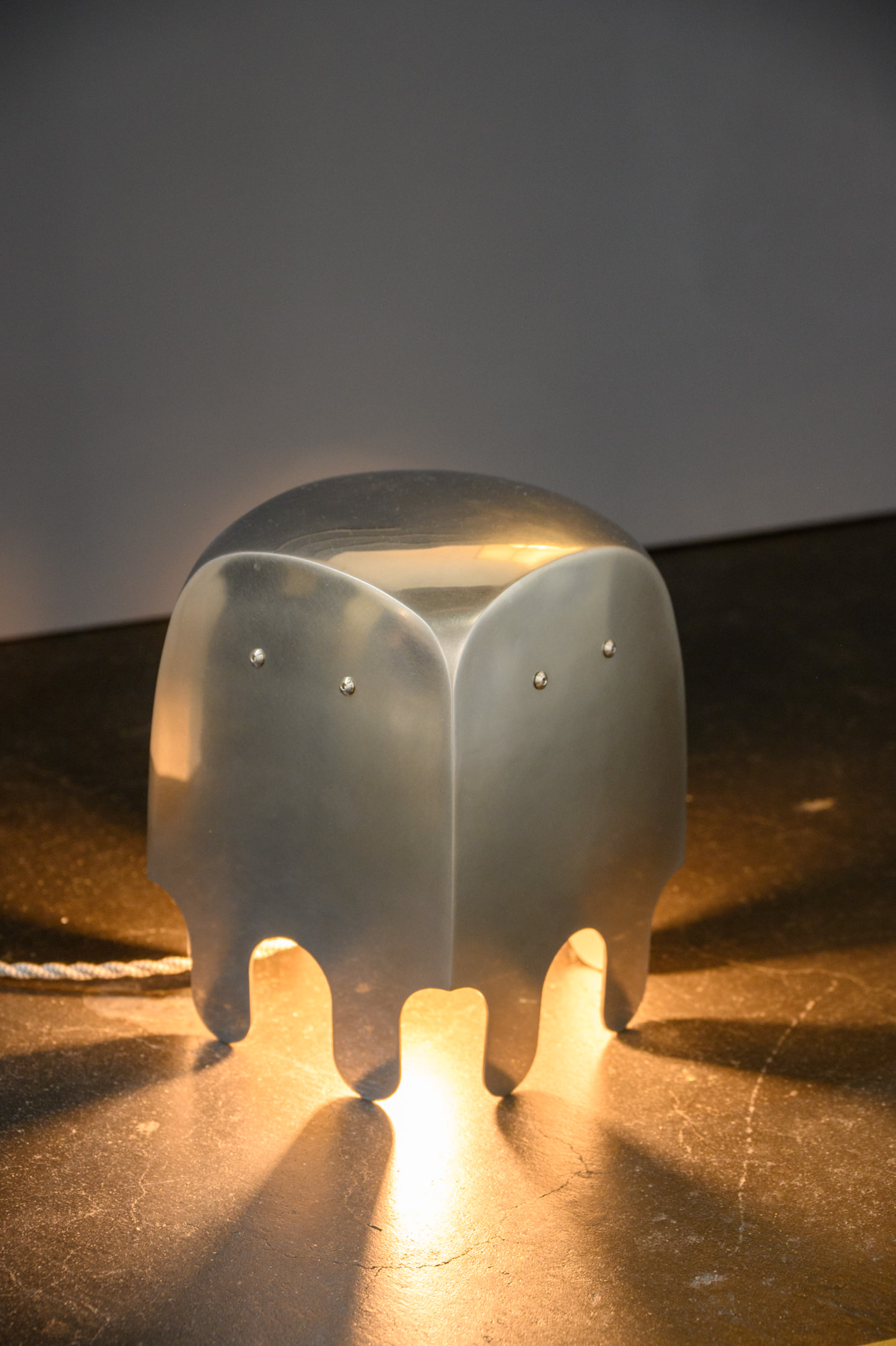
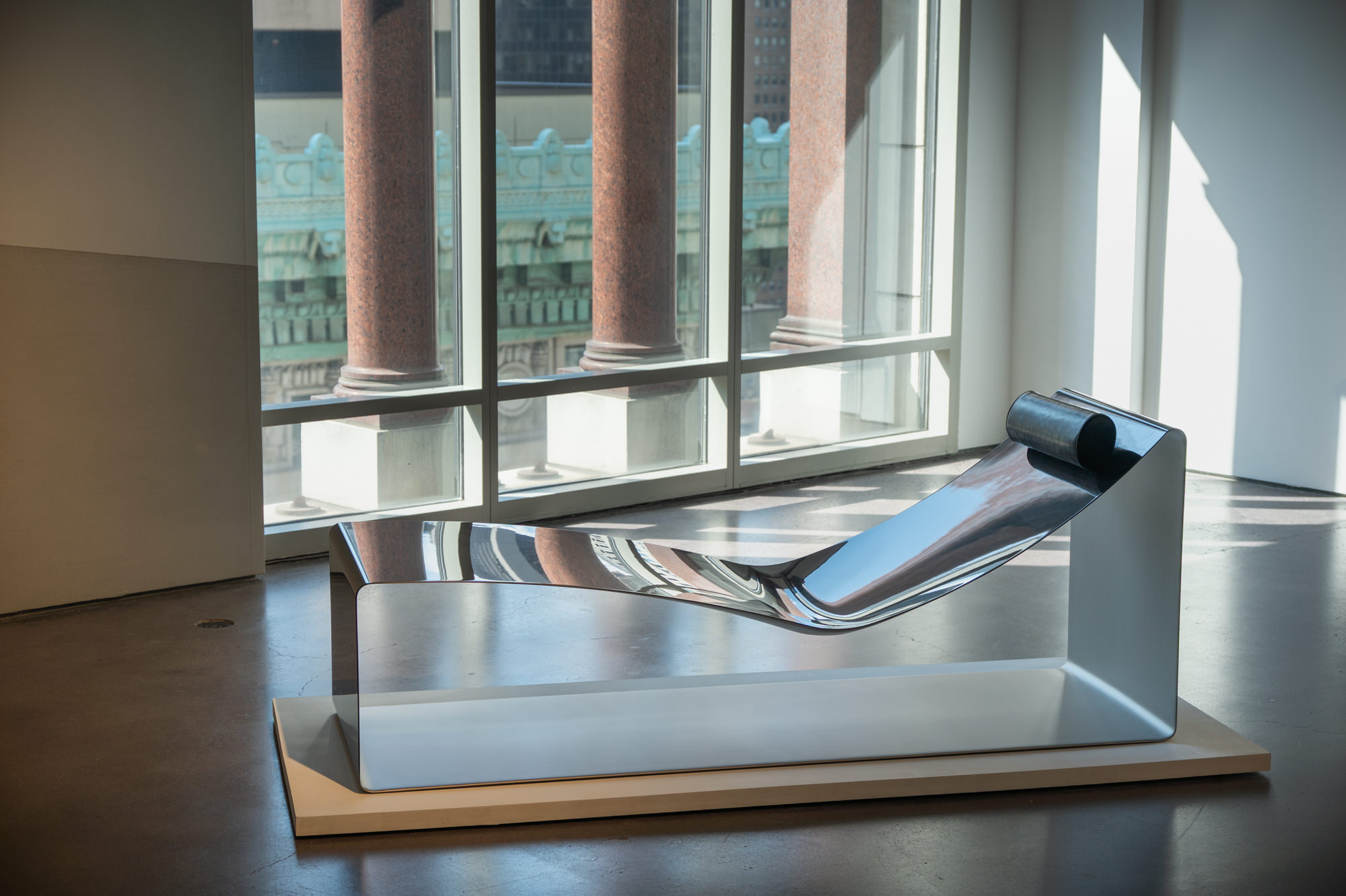
Zieta had a presence around the show with a dedicated booth and installation in the Bespoke pavilion. The Polish company is best know for their innovative use of pressurized air to inflate their metal furniture and accessories. There was a demonstration at the media opening using a bicycle pump to inflate a cube. Zieta works outside of furnishings and is pursuing applying their inflatable metal process to habitats and structures for outer space.
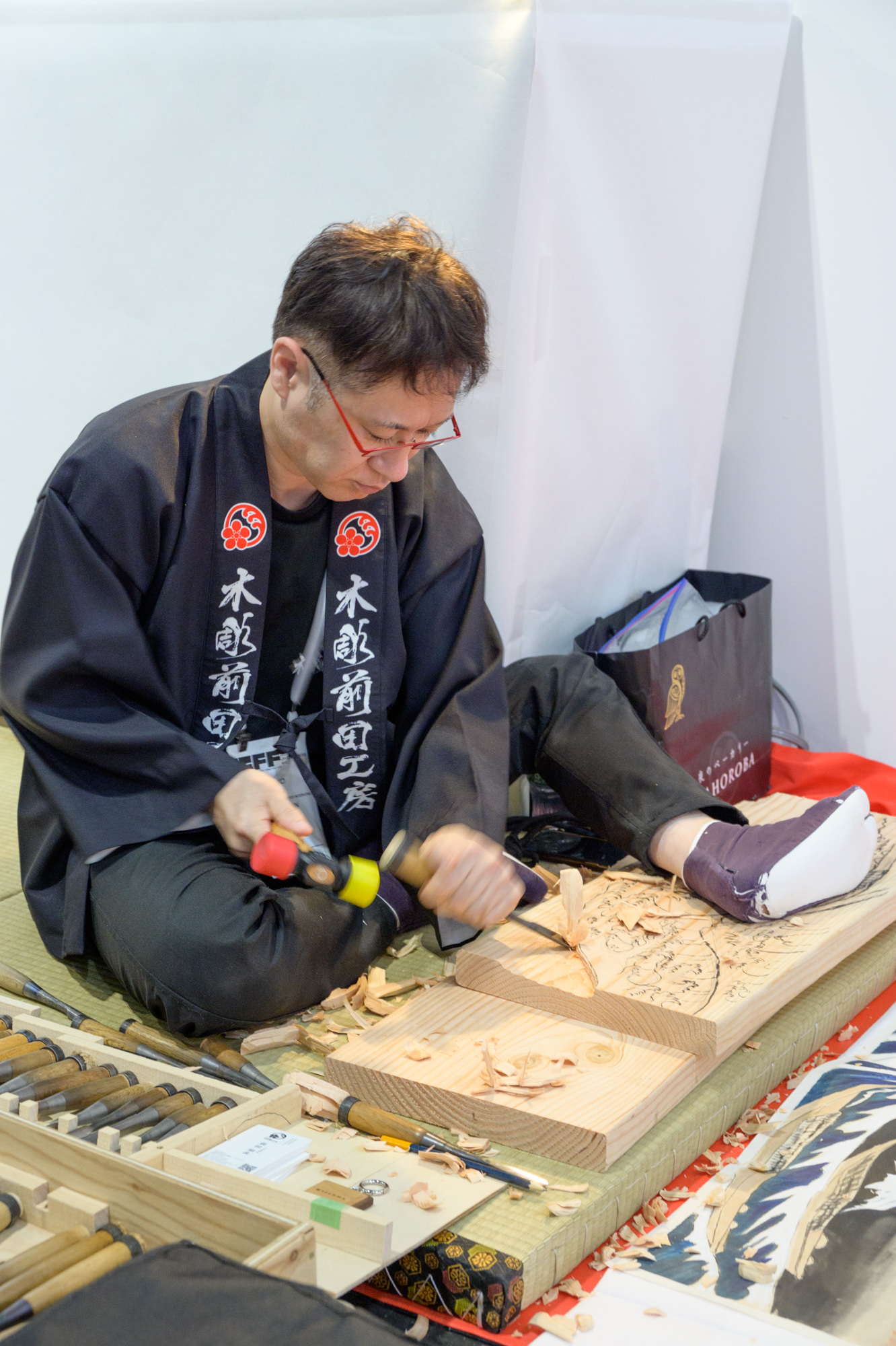
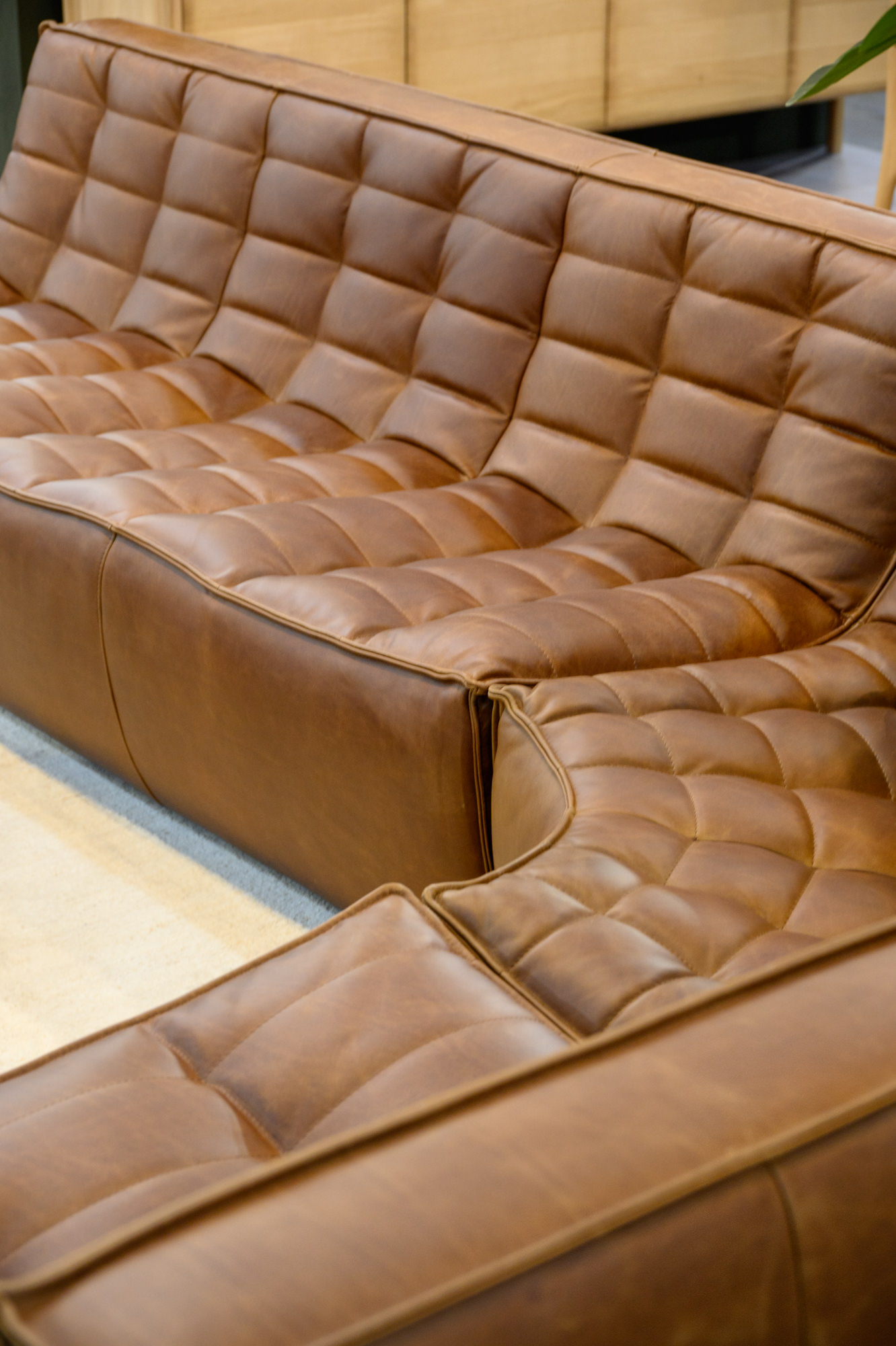
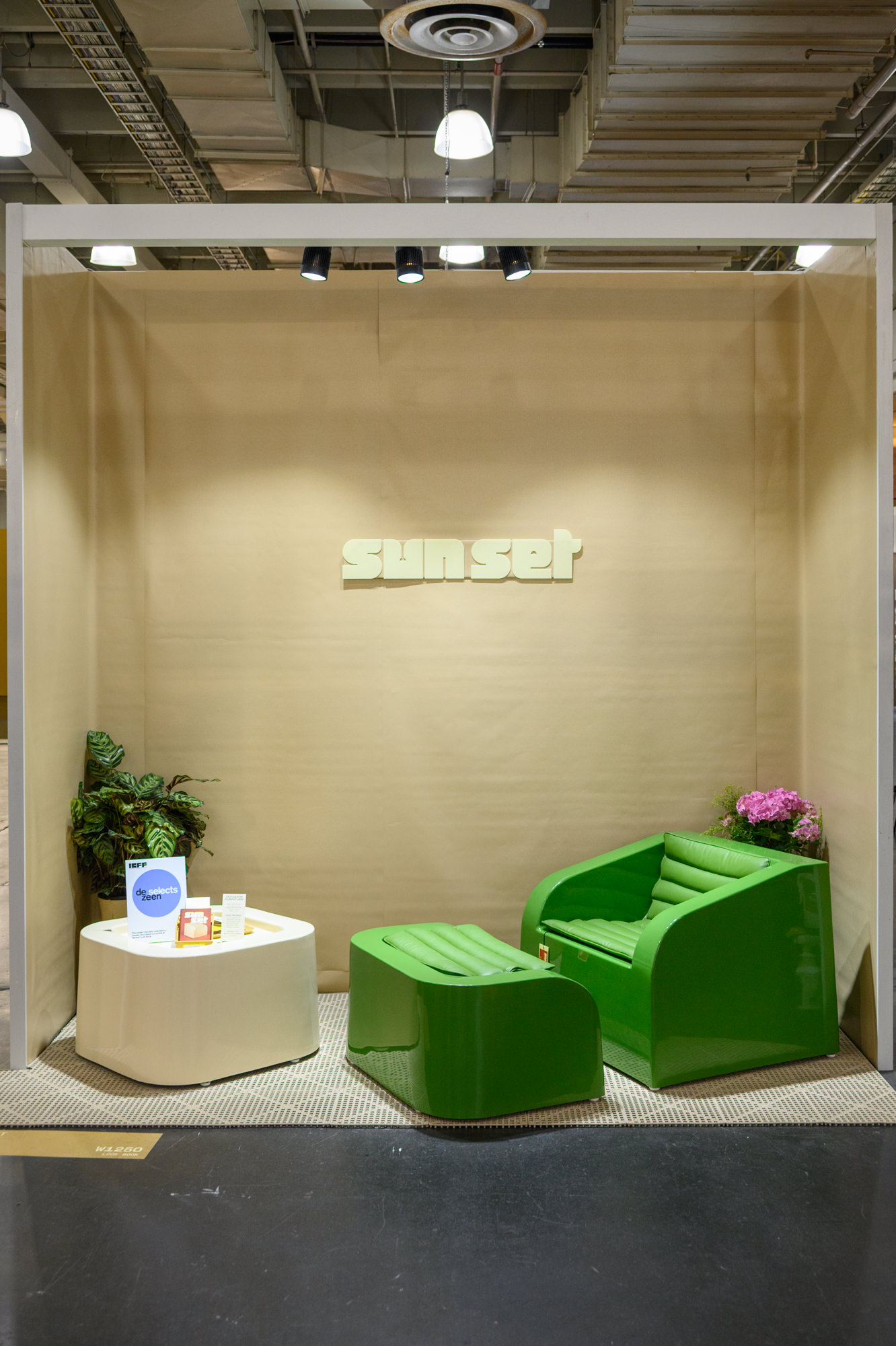
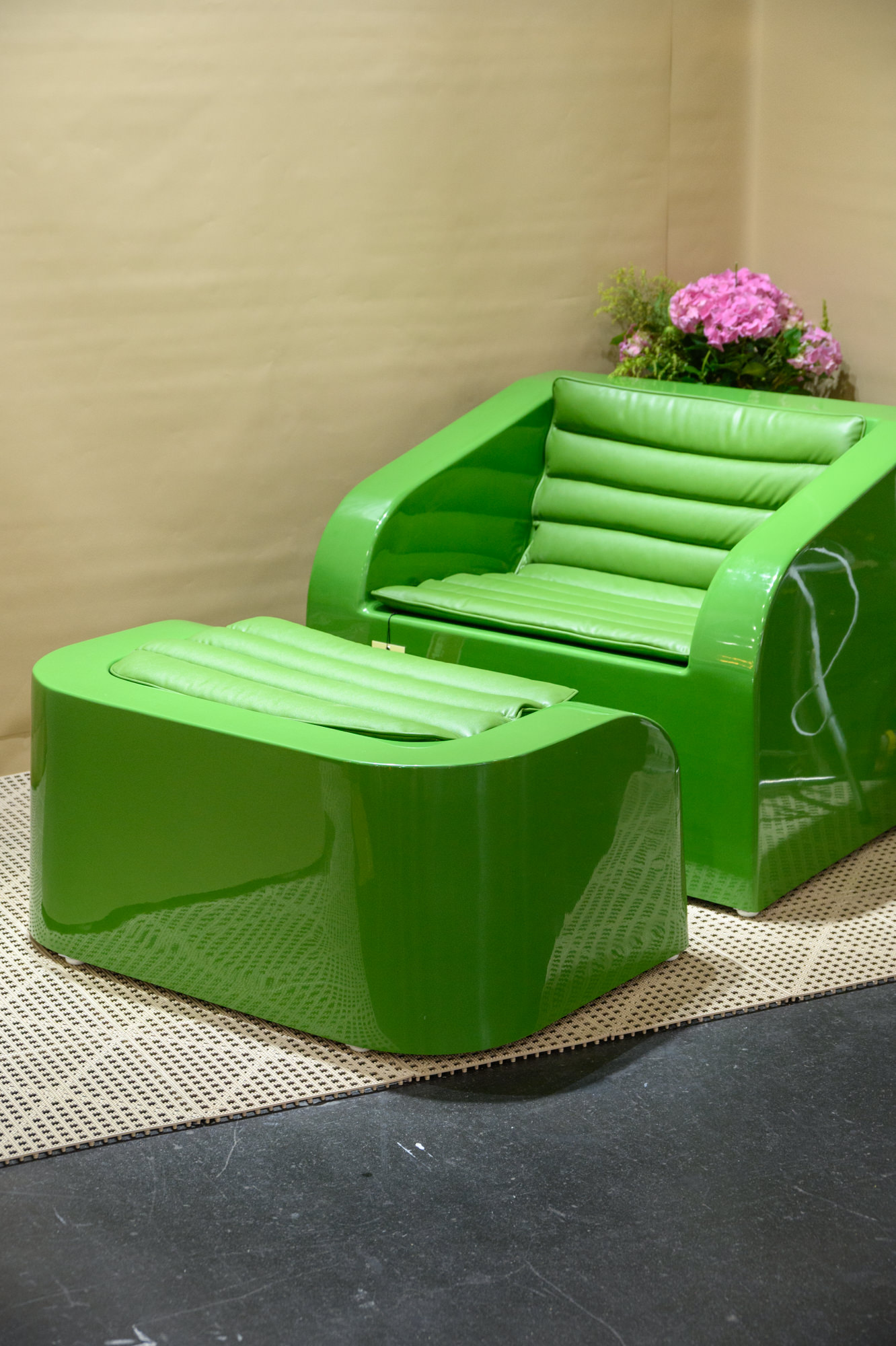
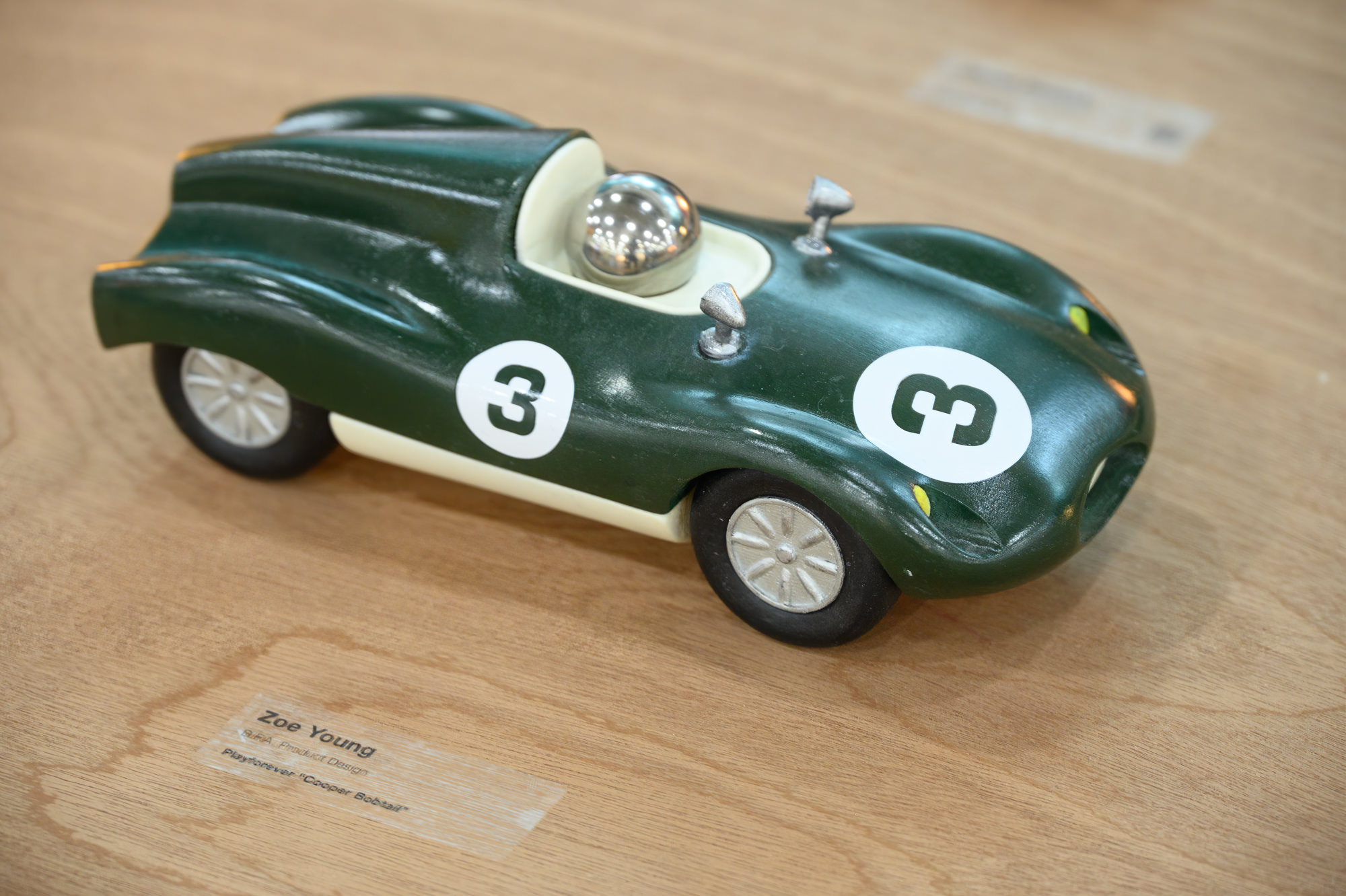
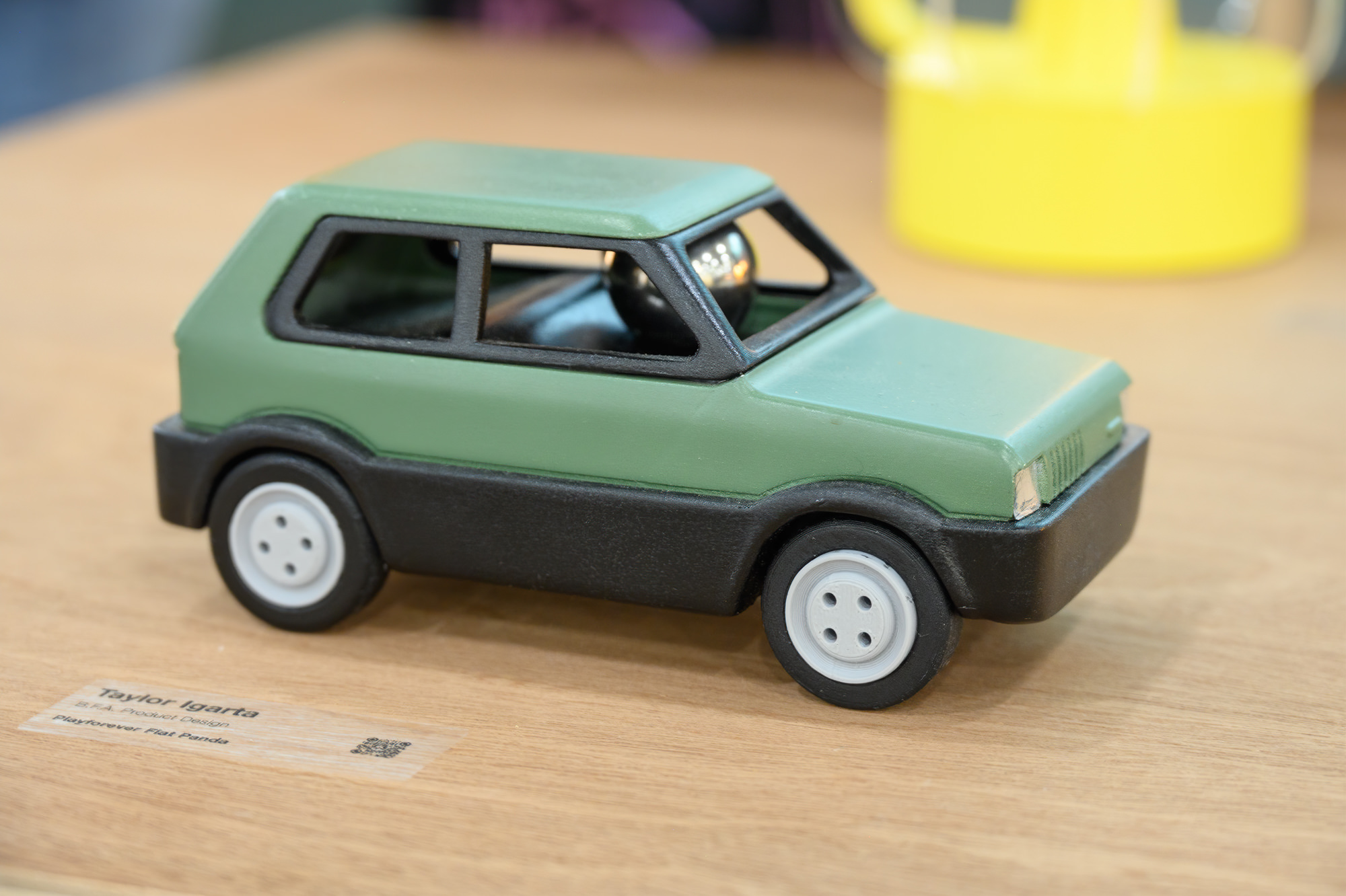
Elsewhere around the show floor were a hammock and chair combo from Brasil, minimalist glass box closets, a traditional Japanese woodcarver, signs of a 70s revival with seating from Ethnicraft and Sunset and my dream student project, prototypes of toy cars for Playforever by University of Oregon industrial design students.
Photos and Text: Dave Pinter